


Shure Sm57 roundup
Shure Sm57: A Complete Buyer's Guide
One of the safest gear purchases in audio — here's what to check before buying a Shure SM57, from bundles to what else you'll need.
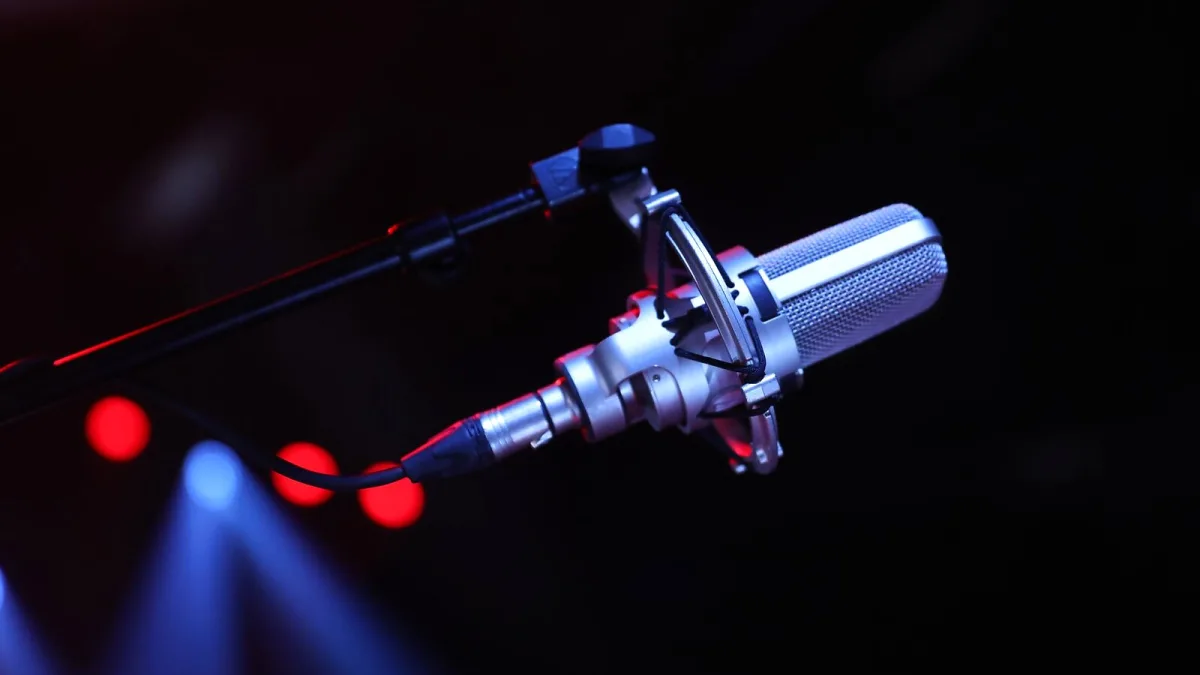
Right, so you've decided to get a Shure SM57. Good shout — it's genuinely one of the safest gear purchases in all of audio, and has been for decades. But "just buy an SM57" isn't quite the whole story, because there's a real decision to make around what comes with it and what you're actually going to point it at. Let's get properly nerdy about it.
First: what's it actually for, in your setup?
This matters more than any spec sheet. The SM57 is a cardioid dynamic microphone — "dynamic" meaning it uses a simple moving-coil design rather than a powered condenser capsule, and "cardioid" meaning it picks up mostly from the front. That combination makes it brilliant at close-miking loud things: guitar amps, snares, toms, brass. It's a poor choice if you actually need a detailed, airy vocal or acoustic-guitar capture — that's a condenser's job, not this mic's.
So before you buy, be honest about what's going through your interface most often. If it's guitar amps and drums, this is close to a perfect first purchase. If it's mainly solo vocals or acoustic guitar, you might want a condenser first and an SM57 second.
Package variations to know about
- SM57 (standard): the mic itself — check exactly what's included, since cable is sometimes sold separately depending on the package and retailer.
- SM57-LC: a common designation for the microphone-only package in some markets, without a bundled cable.
- Bundles: some retailers pair it with an XLR cable, a mic clip and sometimes a basic stand or windscreen — handy if you don't already own cables.
Always check the actual contents listed on the specific product page you're buying from, since this varies by region and seller.
What actually matters when you're comparing listings
| Check | Why |
|---|---|
| Included accessories | Cable, clip and case aren't always included — factor this into the real cost |
| New vs used | A used SM57 in working condition is usually a safe buy given how rugged the design is, but test it before paying |
| Authorized seller | Buying from an authorised dealer protects your warranty on a genuine unit |
| Windscreen (A2WS) | Worth adding separately if you'll ever use it on vocals or outdoors |
Do you need anything else to actually use it?
Yes, and this is the bit people forget. You'll need:
- An XLR cable, if one isn't bundled.
- An audio interface or mixer with a mic preamp — the SM57 has relatively low output, so a preamp with decent clean gain on tap matters more here than with a hotter condenser mic.
- A mic stand or clip, for anything other than handheld use.
No phantom power is required, since it's a passive dynamic design — one less cable, one less thing that can go wrong.
Buying a used Shure SM57
Because the design has barely changed since 1965, buying second-hand carries less risk here than with almost any other piece of studio gear. There's no ageing capacitor capsule to worry about, and a passive dynamic design has very little to actually fail. Still, give any used Shure SM57 a proper test before handing over cash:
- Plug it in and check both channels of a stereo cable path if you're buying a pair, listening for crackle or dropouts as you wiggle the connector.
- Look at the grille for dents that might be pressing into the internal windscreen.
- Tap it gently (not hard) while monitoring to confirm the capsule responds evenly.
A clean used unit at a genuine discount is one of the better bargains in used gear, precisely because there's so little to go wrong.
Should you buy one or a pair?
If you're planning serious drum recording, two is genuinely useful — one on the snare and a second on a tom or as part of a guitar-amp setup during the same session, since it's cheap enough to duplicate without a second mortgage. For a single home setup focused on guitar amps, one is plenty to start with.
Comparing it with the alternatives
It's worth knowing where the Shure SM57 sits relative to close relatives before you commit. The Shure SM58 shares the same core capsule but swaps the grille for one built around handheld vocal use, so it's the better buy if singing into it is the main job. The Beta 57A is a supercardioid stablemate with a tighter pattern and a different tonal character — a genuine alternative rather than a straight upgrade, and worth comparing directly if budget allows. For the fuller comparison across price points, have a look at our guide to the best SM57 setups for the money.
Bottom line
If your recording involves anything loud — amps, drums, brass — a Shure SM57 is about as close to a no-brainer purchase as this hobby gets. Just buy the right package for what you already own, budget for a cable and stand if they're not included, and you'll have a mic that'll outlast most of the rest of your setup. New to all this? Our beginner's guide is a gentler starting point, and our full explainer covers the technical side in more depth.




Comments