


Rode Wireless Pro roundup
The Best Rode Wireless Pros for the Money
No single 'best' setup exists, so here's where this kit genuinely earns its cost, and where a simpler, cheaper option is honestly the better call.
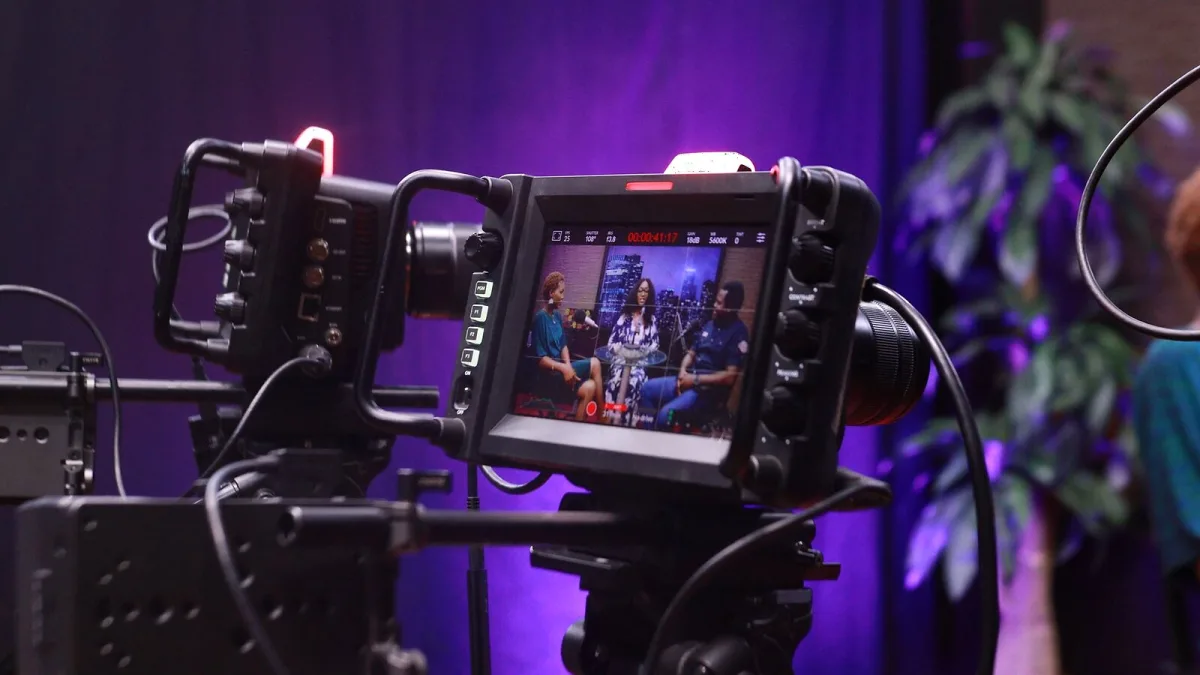
There's no single "best" way to use the Rode Wireless Pro — the right setup depends entirely on the job in front of you. What I can do is walk through the scenarios where it genuinely earns its keep, and be equally honest about the situations where a simpler, cheaper option makes more sense.
Best Value: Two-Person Interviews
This is the scenario the Rode Wireless Pro is built around, and it's where it delivers the most obvious value. Two transmitters mean interviewer and interviewee each get their own clean channel, recorded separately and mixed later if needed, with no cable tethering either person to the camera. For anyone regularly filming sit-down interviews, this two-channel setup alone justifies the cost over a single wireless mic.
Best Value: Solo Creators Who Need a Safety Net
If you're a one-person crew, the value shifts from the second channel to the onboard recording. Every transmitter records its own 32-bit float backup regardless of what the camera captures, so a dropped wireless signal or a clipped camera input doesn't cost you the whole take. For solo YouTubers and mobile journalists working without a sound assistant, that backup is worth more day to day than the wireless range ever will be.
Best Value: Multi-Camera Shoots
Add a second or third camera angle and manual audio sync quickly becomes tedious. SMPTE timecode support means the audio and every camera can share a common timing reference, which turns a fiddly post-production job into a straightforward one. If you're already shooting multi-camera regularly, this feature alone can save hours per edit.
Where a Simpler Setup Is Better Value
| Your situation | Better value option |
|---|---|
| Single presenter, one static camera | A single wired or basic wireless lavalier |
| Occasional, low-stakes recordings | A simpler single-channel wireless system |
| Studio music vocals or instruments | A dedicated studio microphone, not a lavalier system |
| Live stage performance audio | A professional touring wireless system built for that purpose |
Buying the two-channel kit for a job that only ever needs one microphone is money spent on capability you won't use. Be honest about your actual workload before deciding.
Getting the Most Out of GainAssist and the Safety Channel
These two features are where a lot of the practical value hides. GainAssist earns its keep in fast-moving, unpredictable situations — street interviews, events, anything with a wildcard volume. For controlled studio-style interviews where you can set levels once and trust them, manual gain is usually the better, more predictable choice. The safety channel is worth leaving on regardless: it costs nothing to have running and occasionally rescues a shout or a burst of applause that would otherwise clip.
Stretching the Value Further
A few habits get more genuine value from the same kit, without spending another penny:
- Use both transmitters even for solo work occasionally, as a second angle or a room-tone safety mic.
- Keep the onboard recording enabled at all times, even when the wireless link looks rock solid.
- Update the firmware regularly, since new features have been added after launch rather than only at release.
- Reuse the built-in transmitter microphones for quick vox-pop style content instead of always reaching for the lavaliers.
If you're still deciding whether to buy at all, our complete buyer's guide covers the practical checklist, and our overview and features guide explains what each feature actually does in more depth. Already own one? Our beginner's guide and our list of common mistakes to avoid will help you get the most from it.
The Bottom Line
The best value from a Rode Wireless Pro comes from matching it to genuine two-person or multi-camera needs, not from owning it because the spec sheet is impressive. Get honest about your actual workload first, and the money will follow the use case rather than the other way round.




Comments