


Boom Microphones roundup
The Best Boom Microphones for the Money
"For the money" means genuine value, not just cheap. Here's how to think about each tier, from first camera rig to paid location work.
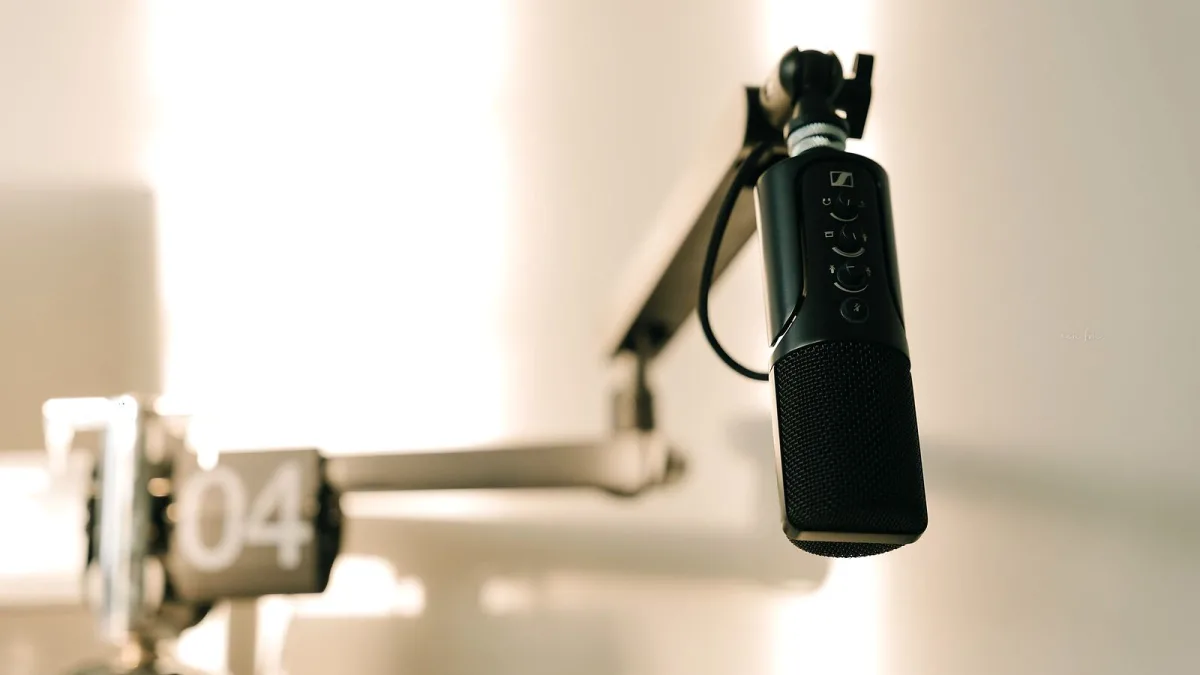
"For the money" doesn't mean cheapest — it means getting genuine value at whatever level you're spending. A brilliant microphone wasted on the wrong job isn't good value, and neither is underspending on a role that actually needs more headroom. Here's how to think about it by tier, rather than chasing a single "best" answer that doesn't really exist.
Entry-Level Tier: Getting Started Properly
At this level, the smartest money usually goes toward a compact, well-regarded short shotgun or a USB microphone on a decent boom arm, rather than the cheapest XLR shotgun you can find. Audio-Technica's more compact shotgun models, such as the AT875R, are a genuinely sensible reference point here — lightweight, straightforward to handle, and built for exactly this kind of camera-adjacent, entry-level work. For podcasting or streaming specifically, a solid USB microphone on a proper boom arm will usually beat a budget XLR setup, simply because you're not also paying for an audio interface at the same time.
Mid-Range Tier: Where Most Serious Creators Should Look
Once you're recording regularly and want real headroom to grow into, this is the tier that rewards spending a bit more. RØDE's NTG line sits comfortably here, offering proper shotgun performance without professional location-sound pricing, and it pairs well with an XLR audio interface if you're recording to a computer rather than a dedicated recorder. This tier is also where it's worth taking accessories seriously — a decent shock mount and a basket-style windshield rather than a bare foam cover, since a mid-range microphone with poor wind protection will still sound amateurish outdoors.
Professional Tier: When the Job Actually Demands It
At the top end, you're paying for consistency, self-noise performance and reliability under real working conditions, not novelty features. Sennheiser's MKH series is a long-standing reference point in professional film and broadcast sound, and DPA's 4017 series is well regarded for compact, high-quality location and boom work. Sanken's CS series and Deity's location-sound and wireless products also sit in this bracket, alongside Neumann's broadcast and studio microphones for voice-focused professional work. If you're not being paid for the recording, or the environment doesn't genuinely demand this level of performance, this tier is very likely overkill.
Matching Tier to Situation, Not Ego
| Tier | Suits | Don't expect |
|---|---|---|
| Entry-level | Hobbyists, students, first-time creators | Professional-grade self-noise or extreme reach |
| Mid-range | Regular creators, small productions, growing podcasts | The absolute lowest self-noise or ultimate durability |
| Professional | Paid film, broadcast and location sound work | Meaningful value if the job doesn't actually require it |
Consider the Used and Rental Markets Too
A properly serviced used boom microphone from a reputable seller can genuinely outperform a brand-new budget model, since professional condenser and shotgun microphones are generally built to last many years of regular use. If you only need professional-tier performance occasionally — a single shoot, a one-off event — renting for that specific job is often far better value than buying a boom microphone you'll rarely use again at that level.
Why the Accessories Budget Isn't Optional
A boom microphone bought at any tier, paired with a bare foam windscreen and no shock mount, will underperform a cheaper microphone that's properly protected and mounted. Handling noise and wind noise ruin far more recordings than a merely "good enough" microphone ever does. If your budget is tight, it's often smarter to drop down a microphone tier and spend properly on a shock mount and a basket-style windshield instead.
If You're Still Deciding
Not sure which tier actually fits your situation? Our complete buyer's guide walks through use case, pickup pattern and connection type in more detail. If some of the terminology above is new to you, our explainer guide covers the basics, and our beginner's guide is the better starting point if you're completely new to this kind of recording. Whatever tier you land on, it's worth a quick read of our common mistakes guide before your first proper session.
The Bottom Line
The best boom microphone for the money is whichever one matches your actual working environment and leaves enough budget for a proper shock mount and wind protection. Overspending on the microphone while skimping on accessories is the single most common way people waste money in this category.





Comments