


Boom Microphones article
Boom Microphones for Beginners: A Complete Guide
Fiddly at first, natural within days. Here's exactly what to focus on before your first real recording session.
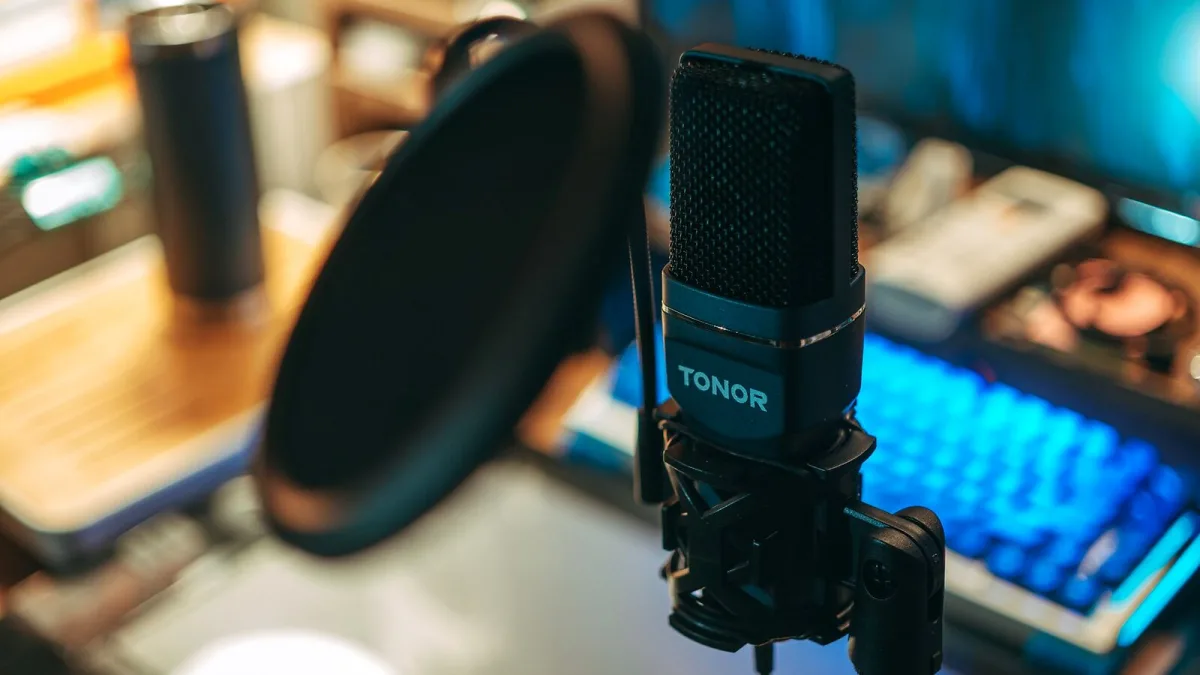
Your first time holding a boom microphone on a pole, or clipping one onto a desk arm, can feel more fiddly than it should. That's completely normal, and it passes quickly. This guide walks you through exactly what to focus on first, without overwhelming you with every technical detail at once.
You Don't Need Professional Gear to Start
A common beginner mistake is assuming you need the same microphone a film crew uses. You don't. A compact shotgun microphone, or a decent USB microphone on a simple boom arm if you're podcasting, will teach you everything you need for now. Save the bigger purchase for once you already know what you're doing and what you actually need.
Learning to Hold It Properly
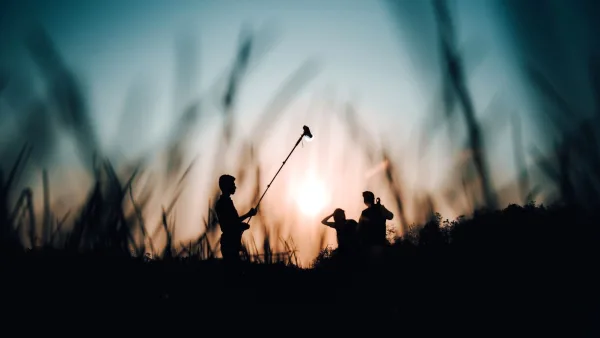
If you're using a handheld boom pole, grip it with both hands, keep your elbows soft rather than locked, and try to keep the pole steady rather than making sudden corrections. It's tiring faster than you'd expect, so if you're practising for more than a few minutes, rest the pole on a stand between takes rather than holding it the whole time out of stubbornness.
Getting the Position Right
Here's the single most useful thing to learn early: aim the microphone at the speaker's mouth, not the top of their head, and get it as close as you reasonably can. Distance affects your sound quality more than almost anything else, including which specific microphone you own. If your subject turns while talking, follow their mouth smoothly with the microphone rather than leaving it pointed at where they used to be.
A Simple First Recording Checklist
- Put on closed-back headphones before you press record, not after.
- Do a short test recording and actually listen back to it.
- Check for background hum, traffic noise or air conditioning you hadn't noticed.
- Set your gain so normal speech sits comfortably below the loudest point, with room to spare.
- Have your subject speak at their normal volume, then check nothing is clipping.
Skipping the headphone check is the single most common reason beginners only discover a problem after the moment has already passed.
Two Small Purchases That Save a Lot of Grief
A shock mount keeps footsteps and handling noise from ruining your recording, and it's a small, inexpensive addition worth having from day one. If you'll ever record outdoors, don't rely on a bare foam windscreen — even a light breeze can overwhelm a recording before it sounds like a problem through your headphones.
Practising Somewhere Low-Pressure First
Before you rely on a boom microphone for something that actually matters, spend a little time practising in a quiet, familiar room with a friend or family member willing to chat for a few minutes. Try different distances, try aiming slightly off and hearing what changes, and get a feel for how much the sound shifts as your subject moves or turns their head. None of this needs to be recorded for anyone else's eyes or ears — it's just you building an instinct for how the microphone actually behaves before it matters.
Common Beginner Worries, Answered
Worried your microphone isn't "good enough" yet? Don't be — positioning matters more than the price tag at this stage. Worried about holding the boom pole wrong? Everyone looks a bit awkward with one at first; it becomes natural surprisingly quickly with practice. Worried about background noise you can't fully control? Get the microphone as close as you reasonably can and accept that some environments need patience, not a better microphone.
When You're Ready to Learn More
Once the basics feel comfortable, our complete explainer guide covers the fuller technical picture, and our buyer's guide is there for when you're ready to upgrade. If you want to see real options broken down by budget, our guide to the best options for the money is a good next stop, and our common mistakes guide will help you skip a few frustrations other beginners have already hit.
The Bottom Line
Start simple, get comfortable holding and aiming the microphone, and always check your recording through headphones before you trust it. Everything else about using a boom microphone well builds naturally from those basics.



Comments