


Guitar Instrument Cable roundup
Guitar Instrument Cable: A Complete Buyer's Guide
The aisle full of premium cables makes buying one feel harder than it should. Here's exactly what's worth paying for and what you can skip.
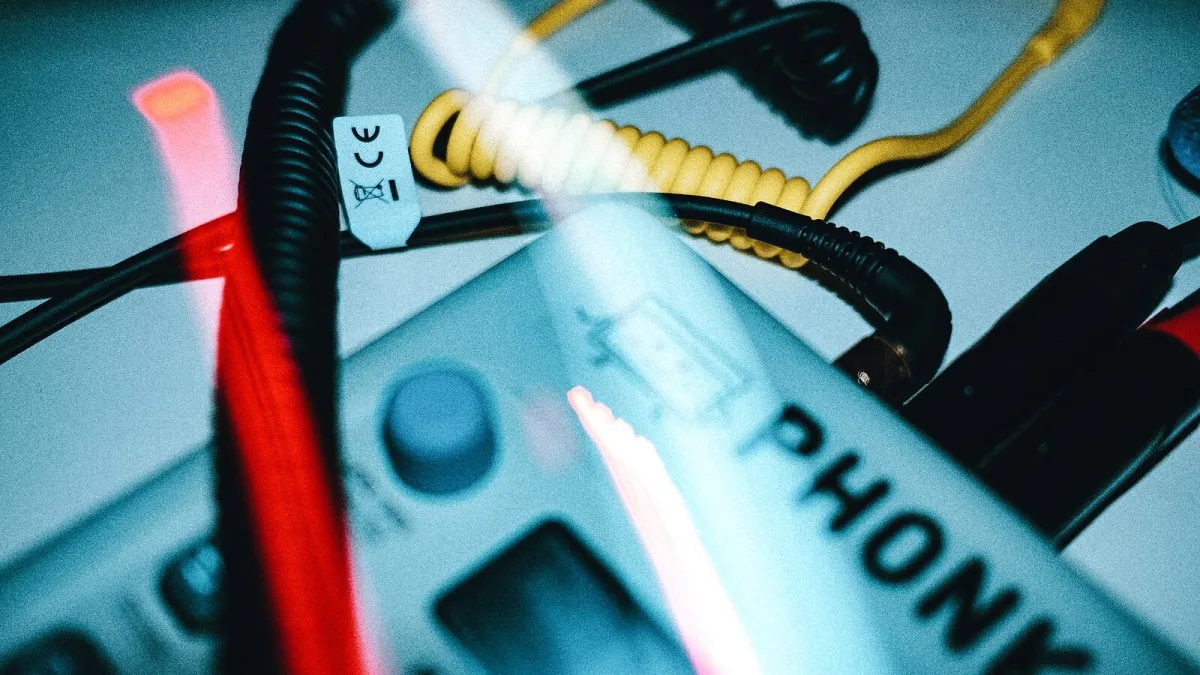
Right, let's cut through the marketing waffle. Buying a guitar instrument cable should not take longer than buying the guitar strap, but the aisle full of "premium," "audiophile" and "tour-grade" leads makes it feel like it should. Here's what's actually worth paying attention to, and what you can walk straight past.
The One Spec Worth Actually Reading: Capacitance
Forget the marketing copy on the packaging and look for a number in picofarads per foot (pF/ft). That's capacitance, and on a passive guitar or bass it's the single spec that most affects your tone — higher capacitance rolls off more top end, lower capacitance keeps things brighter and more detailed. A lot of budget cables don't publish this figure at all, which tells you something in itself. If a manufacturer is proud of a low-capacitance design, they'll usually say so on the box.
Length: Buy for the Gig You Actually Play
Don't buy the longest cable in the shop "to be safe." Every extra foot adds capacitance, and a 20-foot cable will always load your pickups harder than a 10-foot one built the same way. Work backwards from how you actually play:
- Bedroom, studio or short pedalboard runs — 6 to 10 feet is plenty.
- Regular practice and most stage setups — 10 to 15 feet.
- Roaming the stage or playing to the crowd — 15 to 20 feet, and consider a buffer pedal if your tone starts sounding dull.
Shielding and Build Quality: The Part That Actually Fails
Capacitance affects your tone, but shielding and build quality decide whether the cable survives your first tour. Braided shielding is tough and handles repeated flexing well; foil shielding with a drain wire gives strong coverage but can be less forgiving if you're constantly coiling and uncoiling it. Either way, check the strain relief at both ends — that moulded or heat-shrunk collar where the cable meets the plug — because that's where a cheap guitar instrument cable dies first, not in the middle.
Connectors: TS, Right-Angle and Solderless
| Connector | Best for |
|---|---|
| Straight TS jack | Amp input, most general-purpose use |
| Right-angle TS jack | Your guitar's output socket, to reduce strain and protrusion |
| Solderless plugs | Pedalboards, where you'll want to resize cables yourself |
| Gold-plated contacts | Corrosion resistance over years of use, not a tone upgrade |
Do You Actually Need to Spend More?
Once a cable has a sensible capacitance figure, solid shielding and decent strain relief, you're mostly paying for brand name, packaging and warranty length from there. That's not nothing — a good warranty is genuinely worth something — but don't expect a jump from £15 to £60 to transform your tone on its own. Compare published specs, not price tags, and you'll spend your money in the right place.
If you want the deeper technical background behind all of this, our full guide to guitar instrument cable covers it properly, and if you're buying your very first one, our beginner's guide is a gentler starting point. Our list of common mistakes to avoid is also worth a read before you check out.




Comments