


Guitar Instrument Cable article
Common Guitar Instrument Cable Mistakes to Avoid
Most cable problems aren't dramatic – they're small, avoidable habits. Here are the six mistakes that catch guitarists out again and again.
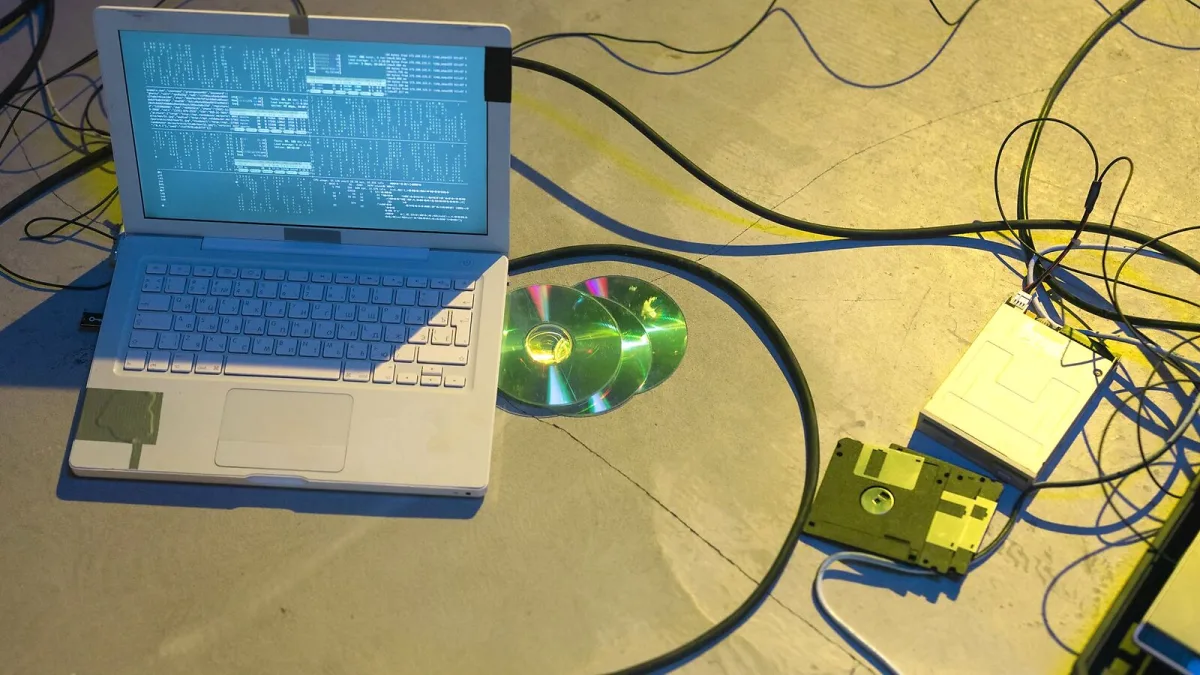
I've lost count of the number of gigs I've watched wobble because of something as small and unglamorous as a cable. None of these mistakes are dramatic on their own, but they're all avoidable, and they all show up more often than they should. Here's what to watch for with your guitar instrument cable, learned the way most of us learn it — by watching someone else get caught out first.
Mistake One: Grabbing a Speaker Cable by Accident
They can look similar coiled up in a bag, but a speaker cable and an instrument cable are built for completely different jobs. Speaker cable carries a high-power amplifier output and typically has little to no shielding; an instrument cable carries a delicate, low-level signal and relies on shielding to stay quiet. Using one in place of the other isn't just a tone issue — it can risk your gear. Label your cables or keep them in separate bags if you own both.
Mistake Two: Buying on Length Alone, Ignoring Capacitance
"Longer is safer" feels intuitive, but it isn't quite right. Every extra foot of cable adds capacitance, which gently rolls off your highest frequencies — more noticeable on a bright single-coil guitar than you might expect. Buy the length you'll actually use, and if you genuinely need a long run for moving around on stage, look for a cable with a sensibly low capacitance rating rather than just grabbing the longest one on the rack.
Mistake Three: Coiling It the Wrong Way
Wrapping a cable tightly round your elbow or forearm, over and over the same way, stresses it at identical points every single time. Over months that adds up to exactly the kind of internal damage that causes crackling near the plugs. The classic "over-under" coiling technique that touring techs use exists for a reason — it lets the cable twist naturally instead of fighting it.
Mistake Four: Mixing Up TS and TRS
A standard guitar instrument cable uses a TS (tip-sleeve) plug — one ring near the tip. TRS cables, with two rings, are built for balanced or stereo connections and aren't the right tool for an ordinary passive guitar signal. They can look near-identical at a glance, so it's worth actually checking rather than assuming, especially if you're borrowing gear or rummaging through a shared cable bag at a rehearsal space.
Mistake Five: Assuming Expensive Always Means Better
"Premium," "audiophile" and "tour-grade" are marketing words, not measurements. The properties that genuinely affect your sound and reliability — capacitance, shielding quality, strain relief, solid connectors — can show up on a modestly priced cable just as easily as an expensive one. Compare the actual specs where a manufacturer publishes them, rather than assuming price tells the whole story.
Mistake Six: Never Testing It Before You Need It
The worst time to discover a faulty cable is halfway through a set. A quick continuity check with a multimeter, or simply plugging in and gently flexing the cable near both ends while it's running through an amp, takes a minute and can save you an embarrassing silence on stage. Do this the week before a gig, not the morning of — you want time to grab a spare if something's wrong.
Getting It Right
None of this requires you to become a cable obsessive — just a little more attention than most of us give the cheapest item in the gig bag. If you want the fuller picture, our full guide to guitar instrument cable and our buyer's guide both go deeper than this list does. And if you're buying your very first one, our beginner's guide is the friendlier place to start.




Comments