


Ukulele Lessons article
The Ultimate Guide to Ukulele Lessons
Ukulele lessons shape the quality of your progress more than almost anything else. Here is how to find the right format, what good tuition covers, and how to make the most of every session.
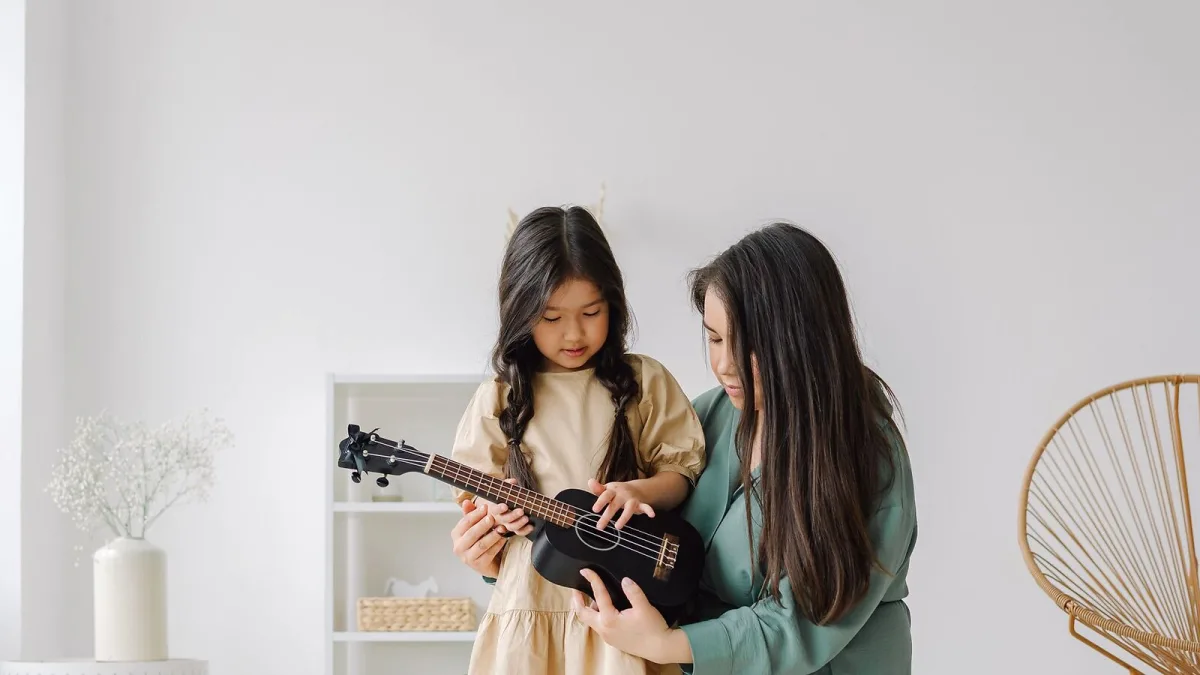
There is a particular joy in picking up a ukulele for the first time and finding that it gives something back almost immediately. Four strings, a compact neck, and a tuning that is forgiving to the fingertips — it is an instrument that meets beginners with unusual generosity. But getting the most from it, from the start, is a question of guidance. Good ukulele lessons make the difference between a player who flourishes and one who stalls after a handful of songs.
Why the Ukulele Rewards Good Teaching
The ukulele has a reputation as a starter instrument, which undersells it considerably. In the hands of players like Jake Shimabukuro or Taimane, it becomes something else entirely — an instrument of genuine depth and range. The easiest route to that potential is not self-study alone but structured tuition that builds foundations properly from the start.
Good lessons sequence the learning: posture, hand position, chord shapes, strumming patterns, and music reading or tablature come in an order that makes each step feel possible. Without that structure, many self-taught players develop habits — a tight grip, a bent wrist, an inconsistent strumming motion — that limit progress later and can be difficult to unlearn.
Formats: In-Person, Online and Hybrid
Ukulele lessons come in several forms today, each with genuine advantages.
- In-person, one-to-one: The traditional format, where a teacher watches you play and corrects technique in the moment. Ideal for beginners who benefit from immediate feedback on posture and hand position. Harder to find and more expensive than online options, but the quality of early correction is unmatched.
- Online live lessons: Via video call with a teacher in real time. Almost as effective as in-person for most learners, with the significant advantage of access to a global pool of teachers regardless of location. Well-suited to players with busy or irregular schedules.
- Recorded online courses: Pre-filmed lessons from platforms like Ukulele Underground, Musicroom or YouTube channels. No live feedback, but flexible and often free or low-cost. Best used alongside occasional live lessons to catch technical errors before they become ingrained.
- Group lessons: Offered by music schools, community centres and folk clubs. Excellent for beginners who enjoy learning alongside others and benefit from the social element. Progression is paced for the group rather than the individual, which suits some learners and frustrates others.
What Good Ukulele Lessons Cover
A solid early curriculum for the ukulele covers more than just chord shapes. Expect any good programme to include:
- Tuning: GCEA standard tuning and how to keep the instrument in tune. Using a clip-on tuner is standard practice at every level.
- Posture and hand position: How to hold the instrument comfortably without tension, and where to position both hands for clean sound and efficient movement.
- Core chord vocabulary: C, Am, F and G7 open the door to hundreds of songs. A good teacher introduces these early and builds on them progressively.
- Strumming patterns: Down strokes first, then alternating strums, then syncopated patterns. Rhythm is the engine of the ukulele — it matters as much as the chords.
- Music reading and tablature: Not all players need to read standard notation, but understanding ukulele tab is practically universal and allows access to a vast library of arrangements.
- Songs: The vehicle for everything else. Good lessons use songs as the context for each new technique, so learning feels purposeful rather than abstract.
Finding the Right Teacher
The most important quality in a ukulele teacher is communication — the ability to explain a concept in the way that makes sense to you specifically. A technically proficient player is not always a gifted communicator, and vice versa. Before committing to a teacher, ask about their approach: do they tailor lessons to the music the student enjoys? Do they set regular practice targets? Do they have experience with adult learners or children (depending on your situation)?
A trial lesson is standard practice and worth insisting on. If the teacher makes you feel capable and engaged after one session, that is a very good sign.
How Long Does It Take to Progress?
With consistent practice of 20–30 minutes a day and good ukulele lessons, most beginners can play a handful of songs confidently within four to six weeks. Comfortable chord transitions typically come in the first two to three months. Developing a personal style and the ability to learn new songs independently usually takes six months to a year. The ukulele is one of the instruments where the initial curve is short and the later rewards are long.
The First Instrument
If you are beginning lessons on a ukulele you do not yet own, the soprano is the traditional starting point — lightweight, affordable and the size that most people picture when they imagine the instrument. A concert ukulele (slightly larger) is increasingly popular as a first instrument because its wider fret spacing is easier for adult hands. Budget around £50–100 for a beginner instrument from brands like Kala, Lanikai or Makala that will hold tuning and respond well to early technique.
Making Lessons Count
A lesson is only as useful as the practice that follows it. Twenty minutes of focused daily practice is worth more than two hours of distracted noodling at the weekend. Set a specific target for each session — a chord transition, a strumming pattern, a verse of a particular song — and finish when it feels more natural than when you started. This is the rhythm that builds lasting skill.
For a look at what to avoid as you build this habit, the mistakes guide covers the most common missteps and how to sidestep them from the beginning.






Comments