


Singing Lessons article
The Ultimate Guide to Singing Lessons
Singing lessons unlock the potential in your voice. Through structured guidance and proper technique, anyone can develop a voice that is stronger, more flexible, and authentically theirs.
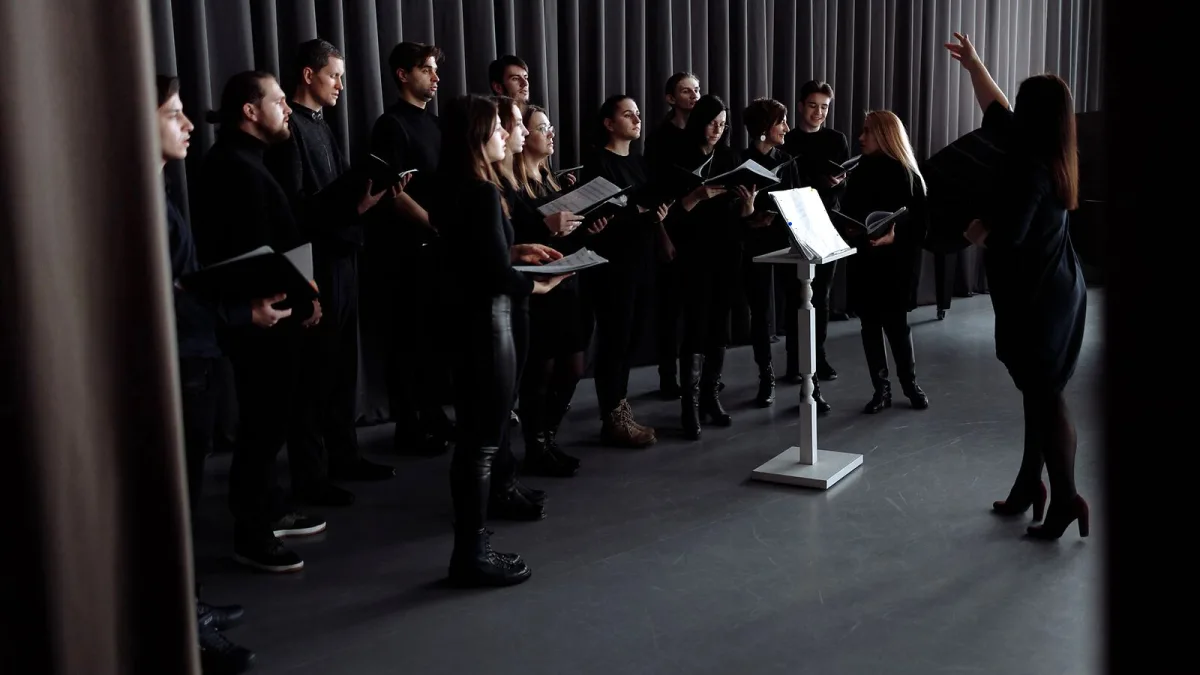
Singing lessons are much more than learning to hold a tune. They are a gateway to discovering the potential within your own voice—a gift that sits inside all of us, waiting to be nurtured and developed. Whether you are a complete beginner or someone who has always dreamed of singing properly, singing lessons offer structured, professional guidance that transforms how you sound and how you feel about yourself.
The human voice is unique among instruments. Unlike a piano or guitar, which you can see and adjust with your hands, the voice is invisible and deeply personal. This is why singing lessons are so important: a skilled teacher acts as your ears and guide, helping you discover what is happening inside your body and how to make it work beautifully. Through consistent practice and proper technique, anyone can develop their voice—it is not reserved for the naturally talented.
What Exactly Are Singing Lessons?
Singing lessons are structured, one-to-one (or sometimes group) sessions where a qualified vocal teacher helps you develop your voice and musical ability. A typical lesson lasts 30 to 60 minutes and focuses on several key areas: breath support, posture, vocal resonance, pitch control, and interpretation. The teacher watches your body, listens carefully to your sound, and gives feedback to help you improve session by session.
The foundation of good singing is breathing. Most untrained singers breathe from their chest or throat—a habit that limits their power and strains their voice. In singing lessons, your teacher will introduce you to diaphragmatic breathing: breathing deeply so your belly expands rather than your chest. This single shift, learned properly over a few weeks, can transform your sound entirely. You will feel more relaxed, sound more powerful, and be able to sing for longer without fatigue.
Why Singing Lessons Matter for Your Voice
The primary reason to pursue singing lessons is vocal health and development. Without proper technique, singers often develop harmful habits—tension in the throat, pressing too hard, or straining to reach high notes—that lead to hoarseness, nodules, or worse. A qualified teacher catches these problems early and shows you how to avoid them altogether.
- Breath control: Steady airflow from your diaphragm powers your voice and sustains long phrases.
- Resonance: Learning where the voice resonates in the body—head voice, chest voice, mixed voice—and how to blend them.
- Pitch accuracy: Training your ear to hear intervals and singing in tune consistently.
- Vocal range: Expanding what you can reach, both upwards and downwards, safely.
- Confidence: Overcoming nervousness and performing with presence and expression.
- Injury prevention: Proper technique means you can sing for life without damaging your voice.
For many people, singing lessons are transformative emotionally as well as technically. Singing is deeply tied to our sense of self and our place in community—especially in cultures with strong choral traditions like Wales. Learning to use your voice properly is also learning to use your breath mindfully, to be present in your body, and to express something true about yourself.
Types of Singing Lessons and Training
Not all singing lessons look the same. Teachers specialise in different genres and methods, and there are various formats to suit different needs and budgets.
Classical Vocal Training
Classical singing lessons emphasise proper breathing, resonance, projection, and the classical repertoire. This foundation builds strength and technique that transfers to any style. Classical teachers often train singers in bel canto principles—a centuries-old Italian method focused on beauty of tone and sustained legality.
Contemporary and Commercial Coaching
Pop, rock, and musical theatre teachers focus on contemporary styles, microphone technique, and stylistic interpretation. These singing lessons are less formal than classical training but no less rigorous. Commercial vocal coaches help singers develop the stamina and flexibility needed for modern performance.
Choral Training
Group singing lessons through choirs and ensemble work develop sight-reading, blend, balance, and ensemble awareness. Church choirs, community choirs, and school choirs often provide informal vocal training alongside the joy of singing with others. This approach is ideal for those who thrive in a social setting and want to improve whilst being part of a singing community.
Online Singing Lessons
Since 2020, online singing lessons have become mainstream. Video lessons allow you to access specialist teachers anywhere in the world from your own home. This democratises quality instruction—a singer in a remote village can now study with a London specialist. Pricing is often lower than in-person lessons, typically £15–£60 per session.
What to Expect from Your First Singing Lesson
Walking into your first singing lessons session might feel daunting, especially if you have never had formal training. A good teacher will put you at ease. The lesson typically begins with a conversation about your goals—do you want to sing for pleasure, prepare for performance, or recover from voice strain? Your teacher will also listen to you sing, perhaps unaccompanied, to assess your current technique and vocal type.
From this assessment, your teacher will begin to identify your vocal category: soprano, alto, tenor, or bass. They will also spot any technical habits—perhaps you are holding tension in your neck, or breathing too shallowly. The first session is usually about foundation: introducing proper breath support and showing you what a released, resonant voice can feel like. Many singers find this revelation powerful; suddenly they understand what their teacher means by "singing from your diaphragm."
Progress in singing lessons is gradual but consistent. Most teachers recommend weekly 45-minute sessions, especially for beginners. Within four to six weeks of regular practice, you will notice clearer tone, easier high notes, and better control. Within months, your confidence and ability transform.
The Role of Practice Between Lessons
One truth about singing lessons that every student learns: the real progress happens at home, between sessions. Your teacher can show you technique, give feedback, and inspire you, but you are the one who has to sing. Most teachers expect 15–30 minutes of daily practice for beginners, more for advanced singers.
The practice is not boring repetition. It is about building muscle memory, training your ear, and deepening your understanding of your own voice. Over months and years, singers who commit to singing lessons and consistent practice develop a voice that is stronger, more flexible, and more authentically theirs.
Singing Lessons: An Investment in Yourself
Quality singing lessons cost between £20 and £100 per 30-minute session, depending on the teacher's experience, location, and whether the lessons are in-person or online. This is a genuine investment—but the returns are substantial. A trained voice lasts a lifetime. You carry the technique, the confidence, and the joy of singing into every decade of your life.
Whether you are drawn to singing lessons by a lifelong dream, a love of music, or the fellowship of a singing community, remember this: the voice is not a gift reserved for a lucky few. It is a skill that can be learned, developed, and celebrated by anyone willing to show up, listen, and give it time to grow.





Comments