


Sheet Music article
Common Sheet Music Mistakes to Avoid
Almost every beginner makes the same set of stumbles when learning to read sheet music. Knowing what they are — and how to fix them — makes the whole process much less daunting.
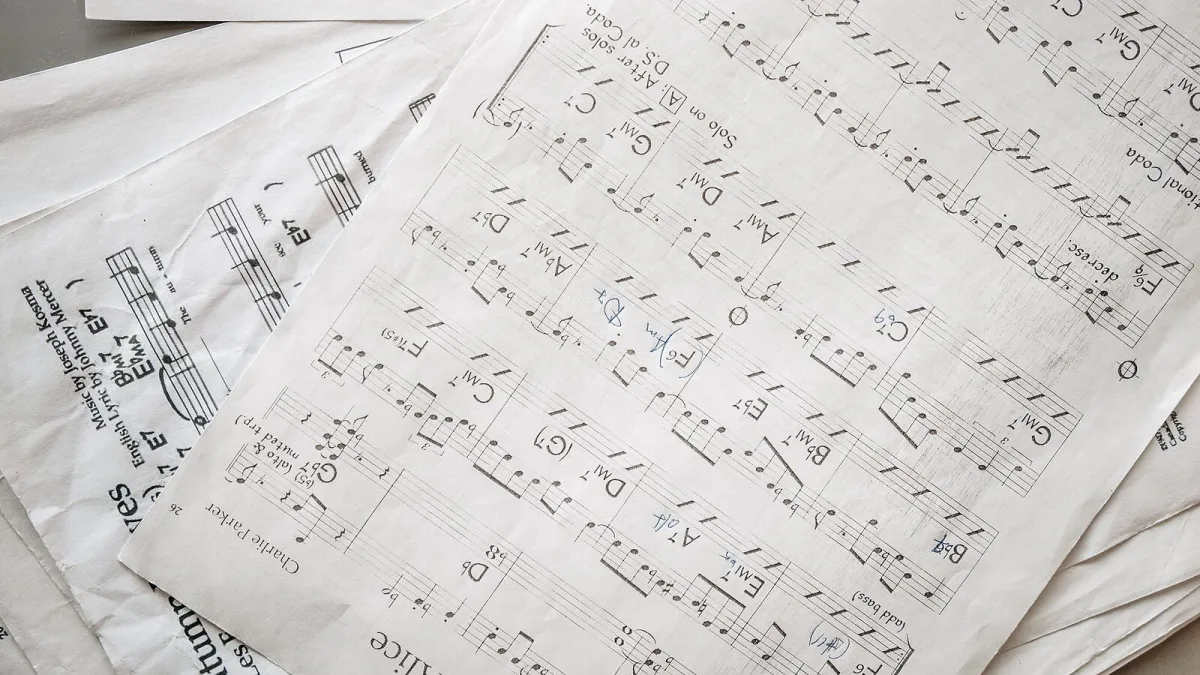
Learning to read sheet music is one of the most rewarding things you can do as a musician — and one of the most humbling. Nearly everyone makes the same set of mistakes when they first start out, and knowing what they are can save you a lot of frustration. These aren't criticisms; they're the entirely normal stumbles of someone learning a new skill. Here's what to watch for and how to sidestep them.
Mistake 1: Ignoring the Time Signature
The two numbers stacked at the start of a piece are easy to glance past and never think about again. That's a problem. The time signature tells you how many beats sit in each bar and what kind of beat they are — it governs the whole rhythmic feel of a piece. Ignore it, and you'll drift between waltz and march without noticing.
Before you play a single note, look at the time signature. Say the beats aloud as you tap your foot. If you're reading 3/4 for the first time, physically count "one, two, three" until the pattern feels natural in your body. Rhythm needs to live in you, not just in your head.
Mistake 2: Skipping Over Rests
Rests — the silences written into sheet music — are not gaps to fill or skip over. They are notes without sound, with the same rhythmic weight as the notes around them. Missing a quaver rest might seem trivial, but in an ensemble it can throw everyone off; even practising alone, it trains your counting to go wrong.
A helpful habit: treat every rest as if it were a note you must hold precisely. Tap the beat through every rest, keep counting aloud, and resist the urge to rush forward to the next sound.
Mistake 3: Rushing Through Difficult Passages
When a bar is hard, the natural instinct is to get through it as quickly as possible — almost a flinch response. But speed doesn't help; it just means you're making the same mistake faster.
The fix is almost embarrassingly simple: slow down. Practise the tricky bar at half speed, or even slower. Once you can play it cleanly at a crawl, gradually raise the tempo using a metronome. This approach is unglamorous but genuinely effective, and professional musicians use it throughout their careers. Stumbling through at full speed every time merely reinforces the wrong muscle memory.
Mistake 4: Neglecting Dynamics and Expression Markings
It's easy to become so focused on the right notes that you ignore what the notation on the page is actually asking you to do with them. Dynamic markings — p (soft), f (loud), mf (moderately loud) — and articulation signs like staccato dots and legato slurs are not decorative. They are instructions, and following them is the difference between playing the notes and playing the music.
Try this: once you can play a passage accurately at a steady tempo, go back to bar one and add the dynamics. Exaggerate them at first. Make the quiet bits quieter than feels comfortable, and the loud bits genuinely loud. Your natural instinct will moderate them, so starting from an exaggerated position often lands you somewhere realistic.
Mistake 5: Reading Note by Note Instead of in Phrases
Beginners often read sheet music the way a child learning to read words sounds out each letter individually — C, then E, then G — rather than taking in a whole phrase at a glance. This produces hesitant, halting playing with no sense of line or direction.
The remedy is to train your eyes to look ahead. As you play what's under your fingers now, your eyes should already be reading one or two bars further on. It feels awkward at first, but it's the same skill a fluent reader uses: your brain learns to process the symbols faster than the sound needs to emerge. Practising easy pieces — ones genuinely below your technical level — is the best environment to build this habit, because your hands aren't struggling and you have mental bandwidth to spare.
Mistake 6: Not Marking Up Your Score
Your sheet music is a working document, not a museum exhibit. Annotating it — pencilling in fingerings, circling a tricky accidental, noting a breath mark, reminding yourself to slow down — is what working musicians do. Leaving a score pristine when you're struggling with it is false economy.
Use a soft pencil so you can rub things out as your playing improves. Circle any accidentals the first time you see them; they are easy to miss because they sit so close to the notehead. Write in the note names under ledger-line notes until you know them cold. These are temporary scaffolds, not permanent crutches — you'll find you need them less and less as your reading improves.
Mistake 7: Playing from Memory Too Soon
Memorising music feels like progress, and for a performance it can be essential. But if you rush to put away the page while you're still learning a piece, you often memorise errors along with the correct notes. You also deprive yourself of the ongoing reading practice that would otherwise build your sight-reading fluency.
Keep the notation in front of you longer than feels necessary. Return to the page whenever you feel uncertain. The time you invest in reading carefully now will pay off every time you open a new piece. For more on building a solid reading foundation, have a look at our full explainer on how sheet music works — it's a good companion to the practical tips here.
Mistake 8: Comparing Your Progress to Others
Learning to read sheet music is not a race. Everyone comes to it with a different musical background, different amounts of practice time and different natural aptitudes. Watching someone else sight-read fluently when you're still piecing out individual notes can feel crushing — but that person was once exactly where you are.
The only useful comparison is with your own earlier self. Keep a recording or a practice diary. Listen back in a month's time. You'll almost certainly be surprised by how much ground you've covered without noticing. Progress in musical reading tends to feel slow and then suddenly fast — rather like learning a language, where one day the sentences just start to make sense.
The Bottom Line
Mistakes are not a sign that you're doing it wrong — they're a sign that you're doing it at all. Every error in reading sheet music is information: it tells you exactly what to practise next. Count carefully, go slowly, mark up your score, and keep your eyes moving forward. The notation will start making sense before you know it.



Comments