


Saxophone Lessons article
The Ultimate Guide to Saxophone Lessons
From choosing your first alto saxophone to building a daily practice routine, this guide covers everything a new player needs to begin saxophone lessons with confidence.
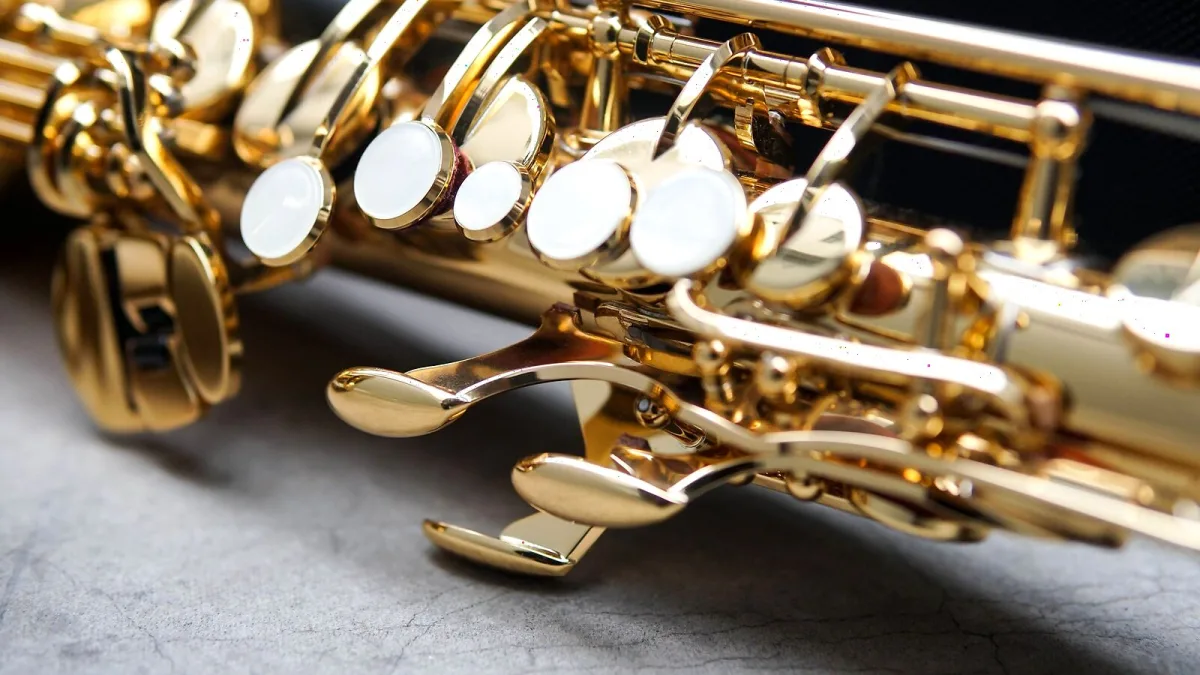
The saxophone has a way of stopping people in their tracks — that warm, breathy sound cutting through a jazz club or soaring over a concert-band chord can inspire even the most unlikely beginner to have a go. If you're thinking about taking saxophone lessons, this guide will walk you through everything you need to know: what to expect, how to choose an instrument, and what good saxophone lessons actually look like from the inside.
Why the Saxophone is Worth Learning
Invented by Adolphe Sax in the 1840s, the saxophone is a single-reed woodwind instrument. Despite its brass body it's classified as a woodwind, because the sound comes from a vibrating reed rather than the player's lips. That crossover quality — warm like a brass instrument, expressive like a clarinet — makes it one of the most versatile instruments in any genre, from classical orchestras to jazz quartets, soul bands to stadium pop.
It's also genuinely learnable. Unlike strings or piano, which can take months before anything sounds musical, a motivated beginner can produce a recognisable tone in a first saxophone lesson and play simple melodies within a few weeks. The challenge isn't getting started — it's developing consistency, tone quality and musicianship over time.
Choosing Your First Saxophone
Most teachers recommend starting on the alto saxophone — and for good reason. It's lighter than the tenor, its fingering system is well-supported by beginner teaching materials, and it's versatile enough for classical, jazz, pop and school-band playing. A few determined beginners do start on tenor (which produces a fuller, lower sound), but its greater size, weight and air requirements make it slightly harder going at the outset.
Soprano saxophone looks elegant but its narrower mouthpiece and sensitive intonation make early tone production genuinely demanding. Baritone saxophone is wonderful in ensemble settings but its size, price and lung-workout requirements make it impractical for most first-timers.
What to Look for in a Student Instrument
A reputable student saxophone from a brand such as Yamaha, Jupiter or Selmer will serve you well. Yamaha in particular is frequently recommended by teachers for its consistent key action and reliable intonation. You don't need a professional instrument — in fact, an expensive horn won't compensate for a poorly set-up mouthpiece or an unsuitable reed, which matter far more at the early stages.
If budget is a concern, hiring an instrument through a reputable music shop for the first few months is a sensible option before committing to a purchase.
Mouthpieces, Reeds and the Essential Extras
The mouthpiece is where the sound actually begins. Beginner guidance consistently points towards a closed-to-medium tip-opening mouthpiece — the Yamaha 4C and Selmer student models are widely used starting points. A manageable tip opening makes early tone production more forgiving without limiting expression.
Reeds are consumables (they wear out and break) and choosing the right strength matters. Most beginner guidance suggests starting around strength 2 or 2.5, but reed numbers aren't perfectly standardised between brands, and the right choice also depends on your mouthpiece and your own embouchure. A teacher can advise you specifically.
Your Starter Kit
- Saxophone with case
- Mouthpiece and ligature
- A small supply of reeds (at least three or four to start)
- Neck strap
- Cork grease
- Cleaning swab (separate ones for body, neck and mouthpiece)
- Reed case or reed guard
- Mouthpiece cap
What Saxophone Lessons Cover
A well-structured lesson programme develops several skills together, not one at a time. Here's a rough outline of how learning typically unfolds.
First Stage: Making a Sound
Your very first lessons will focus on assembly, posture and embouchure — the particular shaping of the mouth, lips and jaw that lets you control the reed. A basic saxophone embouchure involves the upper teeth resting gently on the mouthpiece, the lower lip cushioning the reed from below, and the corners of the mouth firmed (but not clenched). Steady, supported airflow does the rest.
Alongside tone, you'll learn how to care for the instrument: swabbing out moisture after playing, applying cork grease, storing the saxophone safely.
Second Stage: Notes, Rhythm and Reading
Once a stable tone is established, lessons expand into reading treble-clef notation, learning fingering patterns across the instrument's range, practising major scales, and applying a basic tongued attack to separate notes cleanly. A metronome becomes your best practice partner at this stage.
Third Stage: Developing Your Style
Intermediate lessons introduce articulation variety, dynamics, vibrato and intonation work. Students also begin exploring genre-specific phrasing — the subtone and swing of jazz, the clear classical tone, the soulful bend of a pop ballad. Improvisation, transcription and ear training often begin here too.
In-Person or Online Saxophone Lessons?
Both formats work well when the teaching is good, but they offer different things.
| Format | Strengths | Limitations |
|---|---|---|
| In person | Immediate feedback, direct acoustic assessment, easier ensemble work | Travel, scheduling, local availability |
| Live online | Wide choice of teachers, convenience, regular one-to-one feedback | Audio latency, harder tone assessment, tech setup required |
| Recorded course | Flexible, often lower cost, repeatable at your pace | No personalised correction, no accountability |
| Group class | Social, lower cost, some ensemble experience | Less individual attention |
For beginners especially, one-to-one saxophone lessons — whether in person or live online — are worth prioritising. A teacher can spot issues you simply cannot hear or see in yourself: biting the reed, weak air support, inefficient finger movement. These habits are much easier to correct early than to unlearn later.
Choosing the Right Teacher
A good saxophone teacher will demonstrate healthy embouchure and breathing, explain concepts clearly, tailor repertoire to your goals and give you specific, actionable practice assignments. It's worth asking whether they specialise in classical saxophone, jazz, pop or improvisation — a superb classical teacher may not be the right fit if your heart is set on playing in a soul band, and vice versa.
Don't be shy about trying a trial lesson before committing.
Building an Effective Practice Routine
Short daily practice sessions beat occasional long ones. For a beginner with 20–30 minutes:
- 3 minutes: assembly, posture check and breathing warm-up
- 5 minutes: long tones on middle-register notes
- 5 minutes: finger exercises and note transitions
- 5 minutes: scales or assigned technical patterns
- 10 minutes: a song or assigned piece
- 2 minutes: slow review and cleaning the instrument
Long tones — holding a single note steadily at different dynamics — are one of the most valuable beginner exercises. They build breath control, tone consistency and an awareness of pitch. They're also rather meditative, once you get used to them.
Saxophone Lessons and Musical Listening
No programme of saxophone lessons is complete without listening. The players who shaped the saxophone's sound across its different traditions are worth spending time with: Coleman Hawkins and Charlie Parker in bebop jazz, John Coltrane's adventurous modal work, the soulful funk of Maceo Parker and King Curtis, and the contemporary sounds of Nubya Garcia and Melissa Aldana. Listening helps you develop a concept of tone, phrasing and style that technical exercises alone cannot provide.
Ready to Go Further?
Once you're comfortable with the basics, there's a great deal to explore — from the advanced technique of the common mistakes players make (and how to avoid them) to mastering the altissimo register, jazz improvisation and classical audition repertoire. The saxophone rewards patience and regular practice with a richness of expression that few instruments can match. Start well, find a good teacher, and enjoy every stage of the journey.



Comments