


Hymn Books article
Common Hymn Books Mistakes to Avoid
The most persistent errors with congregational worship music come from process failures rather than knowledge gaps. This guide identifies them and explains how to avoid each one.
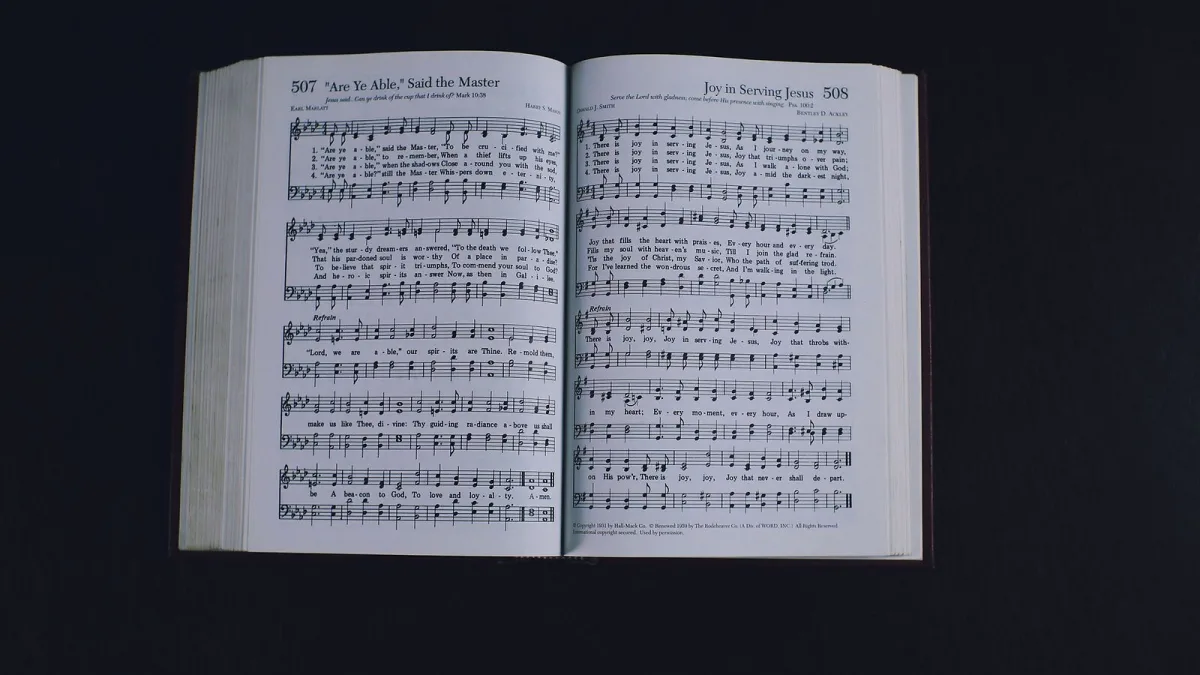
The most persistent mistakes with hymn books in congregational worship are not errors of knowledge but of process — selecting material without sufficient planning, ignoring the congregation's familiarity with a collection or failing to use the indexing tools that make the books genuinely practical for worship planning. These errors are common and correctable.
Selecting Unfamiliar Hymns Without Preparation
Choosing hymns that a congregation does not know without adequate preparation — prior learning in a rehearsal or at the start of a service — is the most consistent source of failed worship music. A congregation uncertain of the melody will either remain silent or sing tentatively, draining the energy and participation that good congregational singing produces. The introduction of unfamiliar material requires explicit teaching, repetition and a realistic assessment of how long it takes for a hymn to become genuinely known. Three or four uses over several weeks will establish a new hymn far more effectively than a single occasion.
Mismatching Hymn Books to Accompaniment Resources
Hymn books vary considerably in their harmonic and accompaniment demands. An organ accompaniment edition designed for a professional organist is impractical for a volunteer pianist; a simple guitar-chord edition will not serve a classically trained choir. Selecting hymn books that match the actual skill and resources available for accompaniment is essential. Many music editions include an organist's edition with full harmonisation and a simplified keyboard edition — using the appropriate edition prevents both under-use of trained musicians and over-demand on those with limited reading ability.
Ignoring the Indexing System
Most hymn books contain at minimum a first-line index, a thematic index and a metrical index. The metrical index, which groups hymns by their syllabic metre pattern (such as LM, CM, 8787D), is particularly valuable: it allows a worship leader to substitute an alternative tune for a text when the standard tune is unfamiliar or unsuitable for the occasion. Not knowing how to use the metrical index limits the flexibility of any hymn book collection significantly.
Buying Outdated Editions
Most major hymn books have gone through several revisions, and older editions may omit material added in later printings or contain texts that have been revised for theological or linguistic reasons. Buying large quantities of an outdated edition at low cost produces a collection that diverges from the current reference text used in other contexts — creating confusion when congregations, choirs and visiting musicians are working from different versions. Check current edition information before purchasing in quantity.
Underusing Available Supplements
Many publishers produce supplements to their main collections — additional hymns that did not appear in the main edition, contemporary songs adapted to fit the main collection's style, or thematically focused additions. The Church of England's Common Praise supplement and the Ancient and Modern New Standard edition are examples. These supplements are often more affordable than full replacements and significantly expand the range available without requiring a complete transition to a new collection.



Comments