


Guitar Lessons article
The Ultimate Guide to Guitar Lessons
Whether you're a complete beginner or returning to the instrument, guitar lessons will get you there faster — this guide shows you exactly how to approach them.
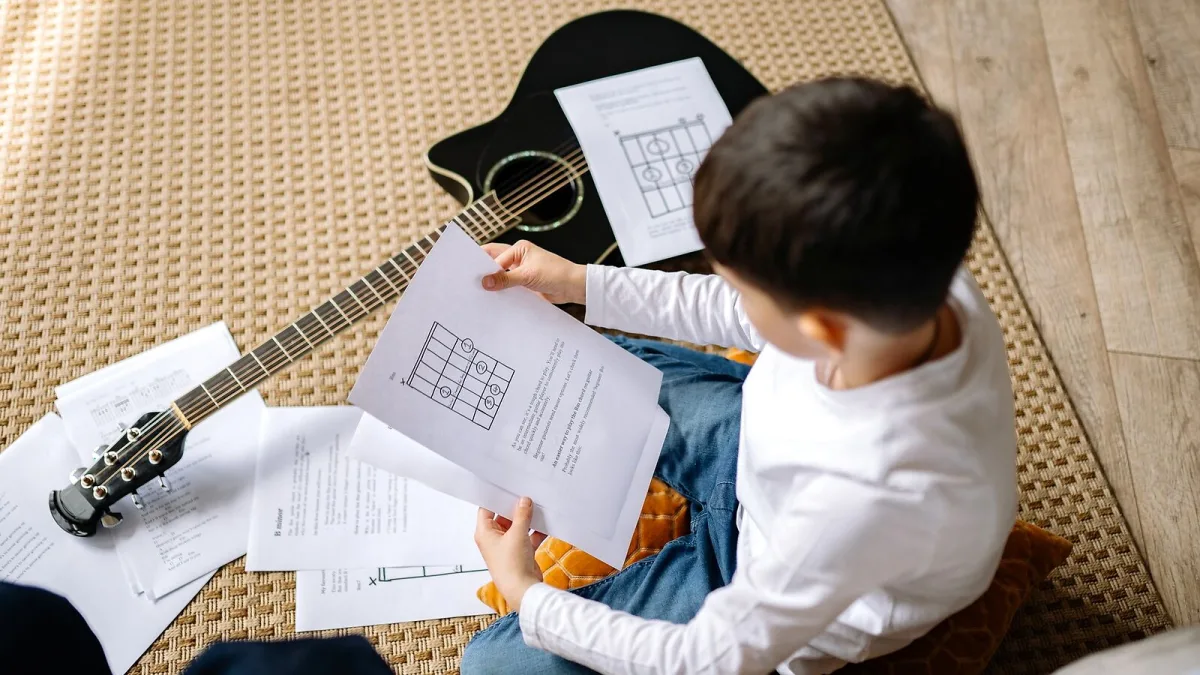
Guitar lessons are one of the best investments a musician can make — whether you're picking up the instrument for the first time or returning after a long break. But the landscape has changed dramatically over the past decade, and understanding your options is half the battle. This guide covers everything from how to choose a teacher to what to expect in your first few months, so you can get the most out of whatever approach suits you best.
Why Lessons Matter More Than You Think
Plenty of guitarists teach themselves. The internet is full of tutorials, tabs, and chord diagrams, and genuine self-teaching is absolutely possible. But guitar lessons with a good teacher accelerate the process in ways that are difficult to replicate alone. A skilled instructor will catch bad habits early — a crooked wrist, unnecessary tension in the fretting hand, inefficient pick technique — before they become ingrained. Unlearning a bad habit is considerably harder than learning the right way from the start.
Beyond technique, a teacher provides structure. Without a lesson to prepare for, it's easy to spend hours noodling around the same three chords without actually progressing. Regular sessions create accountability and a clear sense of direction.
Types of Guitar Lessons
There are more options available now than at any point in the history of the instrument:
- In-person, one-to-one — the traditional approach. Direct feedback, immediate correction, and the full attention of an experienced player. Typically the most expensive option, but often the fastest route to improvement.
- Online, one-to-one — video lessons via Zoom or similar platforms. These have improved significantly since the pandemic years. They work well for theory and technique; some players find the slight latency distracting, but most adapt quickly.
- Group lessons — often offered at music schools and community centres. More affordable, and the social element can help motivation. Less individual attention, but the shared experience has genuine value.
- Subscription platforms (JustinGuitar, Fender Play, TrueFire) — structured online courses at a fraction of the cost of one-to-one teaching. JustinGuitar in particular is widely regarded as offering professional-quality instruction for free. Best for motivated self-starters who can create their own accountability.
What to Look for in a Teacher
Not every skilled guitarist makes a good teacher, and not every good teacher is the right fit for every student. When choosing who to learn from, consider:
- Repertoire and style — a jazz specialist may not be best placed to teach you AC/DC riffs, and vice versa. Find someone who plays what you want to play.
- Teaching experience — years of playing doesn't equal years of teaching. Ask how long they've been teaching and what experience they have with students at your level.
- Communication style — do they explain concepts clearly? Do they listen when you say something isn't making sense? The best teachers adapt their approach to the individual student.
- The trial lesson — most teachers offer an introductory session. Take it. You'll know within thirty minutes whether the chemistry is right.
What to Expect in the Early Months
The first few months of guitar lessons are simultaneously the most exciting and the most frustrating. Your fingers will hurt — callouses take weeks to develop on the fretting-hand fingertips, and the steel strings of a standard guitar are unforgiving. This is normal and temporary.
Progress in this period often feels non-linear: you'll have sessions where everything clicks, followed by sessions where you seem to have gone backwards. This is how motor learning works. Your brain is building new neural pathways, and the process isn't smooth. Be patient with yourself.
Most teachers recommend practising for 20–30 minutes daily rather than two hours twice a week. Daily repetition consolidates learning in a way that infrequent long sessions cannot.
Setting Goals That Actually Help
Arriving at a lesson saying "I want to play guitar well" is understandable but not particularly useful. Specific goals are far more actionable:
- "I want to play 'Wonderwall' for my mates within three months."
- "I want to be able to improvise a twelve-bar blues by Christmas."
- "I want to understand how chord shapes relate to each other across the fretboard."
Your teacher can build a curriculum around concrete goals. They can also help you set realistic timelines, which matters more than most beginners realise — guitar takes time, and unrealistic expectations are one of the most common reasons people quit.
Theory: How Much Do You Need?
Music theory is the framework behind what you play. You don't need to master it to enjoy playing guitar, but a working knowledge of scales, chord construction, and keys will make you a significantly more capable player. Even a basic understanding of why certain chords sound good together opens up a world of options.
Good guitar lessons will introduce theory gradually and practically — not as abstract concepts but as tools you can immediately apply to music you want to play. If your teacher is dumping scales diagrams on you with no musical context, ask them to connect the dots.
Avoiding the Common Pitfalls
There are patterns of mistakes that come up repeatedly among learners at every stage. The companion article, Common Guitar Lessons Mistakes to Avoid, covers them in detail — from the first session onwards, knowing what to avoid is as important as knowing what to do.
The Bottom Line
There's no single right way to learn. What matters is finding an approach that fits your schedule, your budget, and your learning style — and then committing to it with genuine consistency. The guitar rewards patience and regular practice far more than occasional bursts of intense effort. Start well, get good guidance, and the instrument will do the rest.





Comments