


Abrsm Exams article
The Ultimate Guide to Abrsm Exams
ABRSM exams offer one of the most structured musical progression routes in the world. This guide explains every pathway, grade, and what good preparation looks like.
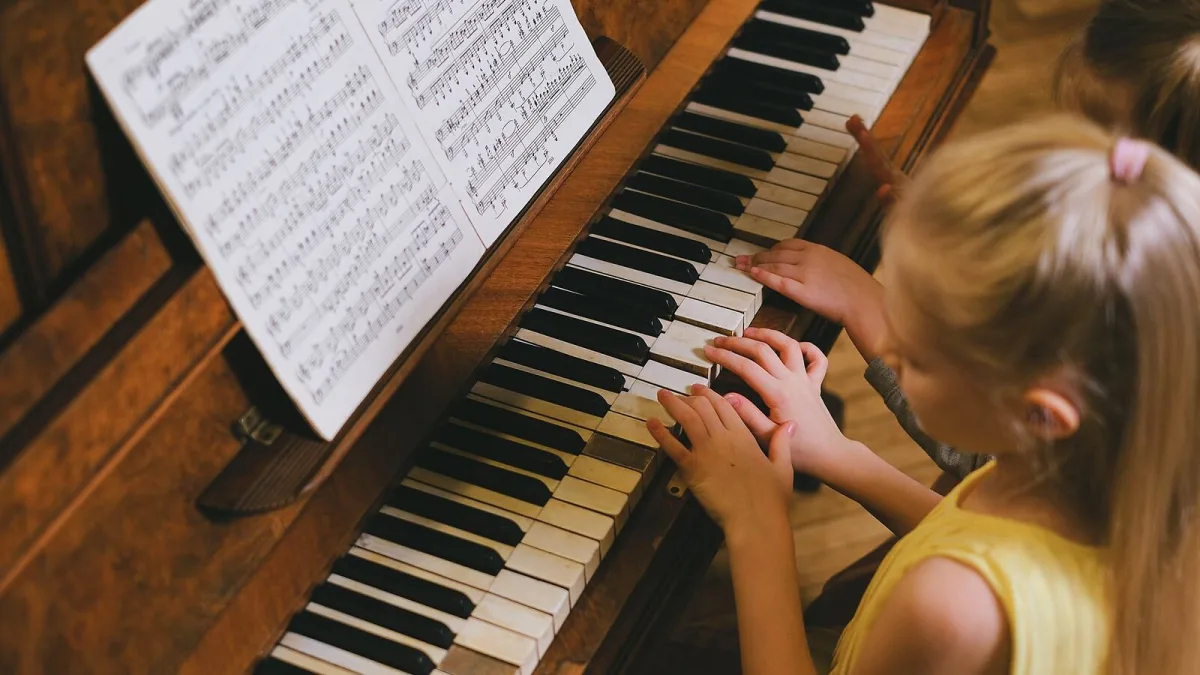
If you've recently started learning an instrument, or if you're teaching someone who has, you'll probably come across ABRSM exams fairly quickly. ABRSM — the Associated Board of the Royal Schools of Music — is one of the world's leading music examination boards, offering a structured path from complete beginner through to advanced diploma level. This guide explains how the system works, what the different exam types involve, and how to make sense of it all.
What ABRSM Is
ABRSM was established by the Royal Academy of Music and the Royal College of Music and has grown into an internationally recognised body for music assessment. It offers examinations across a wide range of instruments and voice subjects, with most disciplines offering grades from Initial (for beginners) through to Grade 8 (advanced), and diploma-level qualifications beyond that.
The examinations are used by private teachers, music schools, conservatoires and schools as external milestones in a pupil's musical development. Passing a grade doesn't define everything about a musician's ability, but it does provide a standardised, externally assessed reference point — which is useful both for setting goals and for demonstrating progress to others.
The Two Main Pathways: Practical and Performance Grades
The most important choice in ABRSM exams is between Practical Grades and Performance Grades. They are both graded from Initial to Grade 8, but they assess different things.
Practical Grades
Practical Grades are the more comprehensive option. Depending on the instrument and grade level, they assess:
- Repertoire: typically three pieces from different stylistic categories, demonstrating musical range
- Scales, arpeggios and technical work appropriate to the instrument and grade
- Sight-reading: playing a short, previously unseen passage
- Aural tests: listening and responding to musical examples
Practical Grades take place face-to-face with an ABRSM examiner. The examination duration varies by instrument and grade — for piano, for example, the assessment runs from about 12 minutes for lower grades up to 30 minutes at Grade 8.
Performance Grades
Performance Grades focus on prepared performance. Candidates submit a recording of four pieces or songs (each worth up to 30 marks), and the assessment is based on this recorded programme rather than on a face-to-face examination. There are no scales, sight-reading, or aural tests.
Performance Grades are not simply an easier alternative. The performance standard required is comparable, and presenting four coherent, well-prepared pieces demands real dedication. They suit candidates who are strongest in performance and want their assessment to reflect that focus.
The Prerequisite Rule
Candidates wishing to take Performance Grades 6, 7 or 8 must first have passed Grade 5 or above in Music Theory, Practical Musicianship, or an accepted equivalent. This is a firm requirement — it cannot be bypassed by booking through a different route.
Music Theory and Practical Musicianship
ABRSM also offers Music Theory examinations at Grades 1 to 8. These cover music notation, scales, key signatures, intervals, harmony, analysis, and composition at increasing levels of complexity. Music Theory qualifications are valuable in their own right and serve as the prerequisite for higher-grade ABRSM exams.
Practical Musicianship is an alternative pathway that assesses musical skills through singing, clapping, playing and listening rather than written paper work. It can satisfy the Grade 5 prerequisite in the same way as Music Theory.
Grades at a Glance
| Grade | Approximate level | Notable features |
|---|---|---|
| Initial | Early beginner | Available on selected instruments; no theory prerequisite |
| Grades 1–3 | Beginner to early intermediate | Scales, simple sight-reading and aural introduced progressively |
| Grades 4–5 | Intermediate | Wider repertoire, more demanding technical work; Grade 5 Theory useful before Grade 6 |
| Grades 6–8 | Advanced | Requires Grade 5 Theory (or equivalent); face-to-face exam times up to 30 minutes |
| Diplomas | Professional/conservatoire level | ARSM and higher; performance, teaching, and directing pathways |
Exam Fees (UK)
ABRSM exam fees vary by grade and type. According to ABRSM's published UK fee schedule, recent prices have been approximately:
- Initial Practical Grade: £50
- Practical Grades 1–8: approximately £56 to £130, rising with grade
- Initial Performance Grade: £46
- Performance Grades 1–8: approximately £50 to £116
- Music Theory Grade 1: approximately £39
Fees outside the UK are set locally. Candidates should always check the current figures directly with ABRSM or their local examination authority, as these change over time.
UCAS Points
In the UK, achieving Grades 6–8 in ABRSM Practical or Performance examinations can carry UCAS Tariff points, which contribute to university applications. The exact point values depend on the grade and the result achieved. Candidates applying to higher education should verify the current UCAS Tariff values with ABRSM and their prospective institutions, as tariffs and admissions criteria vary.
How to Prepare Effectively
A good preparation approach for ABRSM exams involves much more than learning the notes of the three or four pieces. It includes:
- Practising each piece from different starting points, not only from the beginning — this builds resilience if concentration lapses during the exam
- Recording yourself and listening back to assess timing, continuity and musical shape
- Integrating scales and technical work into regular practice from early on, not just before the exam
- Practising sight-reading regularly with short, unfamiliar excerpts rather than using the same exercises repeatedly
- Working on aural tests throughout the preparation period by singing, clapping and listening actively in every lesson
Teachers play a central role here — they select the repertoire, pace the preparation, and help candidates understand what the examiner is listening for.
Results and What They Mean
ABRSM grades outcomes as Pass, Merit or Distinction. For Music Theory online exams at Grades 1–5, results are typically available within about four weeks of the exam date. Practical and Performance Grade results come with written examiner feedback, which is one of the most genuinely useful aspects of the assessment — it gives candidates and teachers a clear sense of what was strong and what to work on next.
For a look at what tends to go wrong in preparation, and how to avoid those pitfalls, the guide to common ABRSM exam mistakes covers the most frequent errors candidates make.
The Bottom Line
ABRSM exams provide a structured, internationally recognised way to measure musical progress. Understanding the difference between Practical and Performance Grades, the role of Music Theory, and how the grade system fits together makes it much easier to use the system purposefully rather than simply working through it on autopilot. The grades are a means to an end — the end being genuine musical development, with the certificates along the way as a record of what's been achieved.




Comments