


Yamaha Piano Keys roundup
Yamaha Piano Keys: A Complete Buyer's Guide
Buying on the action name alone is a bit like buying a car on the trim badge. Here's what genuinely matters instead.
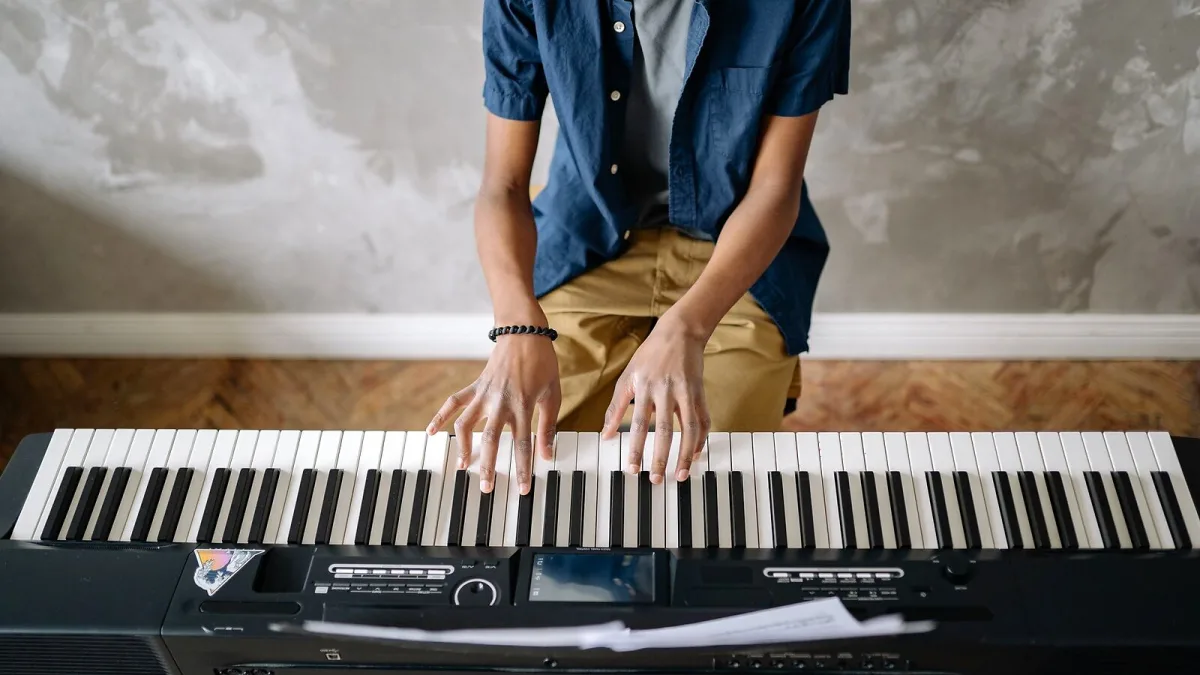
Buying Yamaha piano keys based on the action name alone is a bit like buying a car based on the trim badge — it tells you roughly where it sits in the range, but not whether it's actually right for you. Let's go through what genuinely matters when you're choosing between Yamaha's different key actions, in an order that actually helps.
Step One: Be Honest About What You Play
Before you look at a single spec sheet, think about your actual playing:
- Mostly beginner or casual playing — a lighter, simpler action will feel comfortable and won't tire young or new hands.
- Intermediate repertoire, trills and fast repeated notes — you'll benefit from better repetition detection and a firmer response.
- Classical repertoire or serious grand-piano practice — you'll want the most acoustic-like feel you can afford, including individually weighted keys if possible.
None of these is a "better" reason to buy a piano than the others. Match the action to how you actually play, not to what looks most impressive in a shop.
Understanding the Yamaha Piano Keys Action Ladder
Yamaha's digital pianos broadly move through GHS at the entry level, up through GH3 and GH3X for better repetition and let-off feel, into NW and NWX for wooden-key construction, and finally GrandTouch and GrandTouch-S at the flagship end. Higher up that ladder generally means a more convincing acoustic feel, but it also means more weight, more cost, and sometimes less portability — all genuine trade-offs, not just upgrades.
Test It Properly, Not Just a Quick Tap
A thirty-second press of middle C tells you almost nothing. In the shop, actually take the time to:
- Play single notes softly, at medium volume, and loudly.
- Try repeated notes at increasing speed.
- Run a few scales and simple trills.
- Hold chords in both the bass and treble.
- Release keys slowly and check how they return.
- Try very quiet playing right near the bottom of the key travel.
Listen and feel for uneven resistance, excessive mechanical noise, a harsh bottom-out, or keys that behave differently from their neighbours. If possible, compare the exact model against a second unit of the same model, since display instruments can be set up slightly differently from one another.
Don't Buy on Material Alone
Wooden keys and individually weighted actions sound impressive on paper, and they can genuinely be worth it — but the material alone doesn't guarantee a better playing experience. Key length, geometry, sensor technology and overall regulation all matter just as much. A well set-up GHS action can suit a beginner far better than an expensive premium action that doesn't match how they actually play yet.
Quick Comparison for Buyers
| Action | Good for | Trade-off |
|---|---|---|
| GHS | Beginners, portability, budget | Less convincing in fast repetition |
| GH3 / GH3X | Intermediate players, repeated notes | Heavier and pricier than GHS |
| NW / NWX | Players who want an acoustic-like structure | More weight, higher cost |
| GrandTouch / GrandTouch-S | Serious or classical players | Premium price point |
Check the Practical Details Too
Beyond the action itself, think about where the instrument will live, whether you need a portable option, and whether key coverings (usually synthetic ivory or ebony-style finishes on modern instruments) feel comfortable to your touch over long practice sessions. None of this shows up on a spec sheet the way action names do, but it affects how much you actually enjoy playing day to day.
If some of the terminology here is still unfamiliar, our full explainer covers how each action actually works, and our tiered round-up lines everything up against typical budgets.
My Honest Take
Choose Yamaha piano keys for the way you actually play right now, with a little headroom for how you expect to progress, rather than for the most premium name on the shelf. A properly tested, well-matched action will make you want to sit down and practise; an impressive-sounding one that doesn't suit you won't.




Comments