


Yamaha Piano article
Yamaha Piano Explained: Features, Types and Tips
Acoustic, digital or hybrid? Here's a friendly walk-through of the Yamaha piano range and how the different series actually fit together.
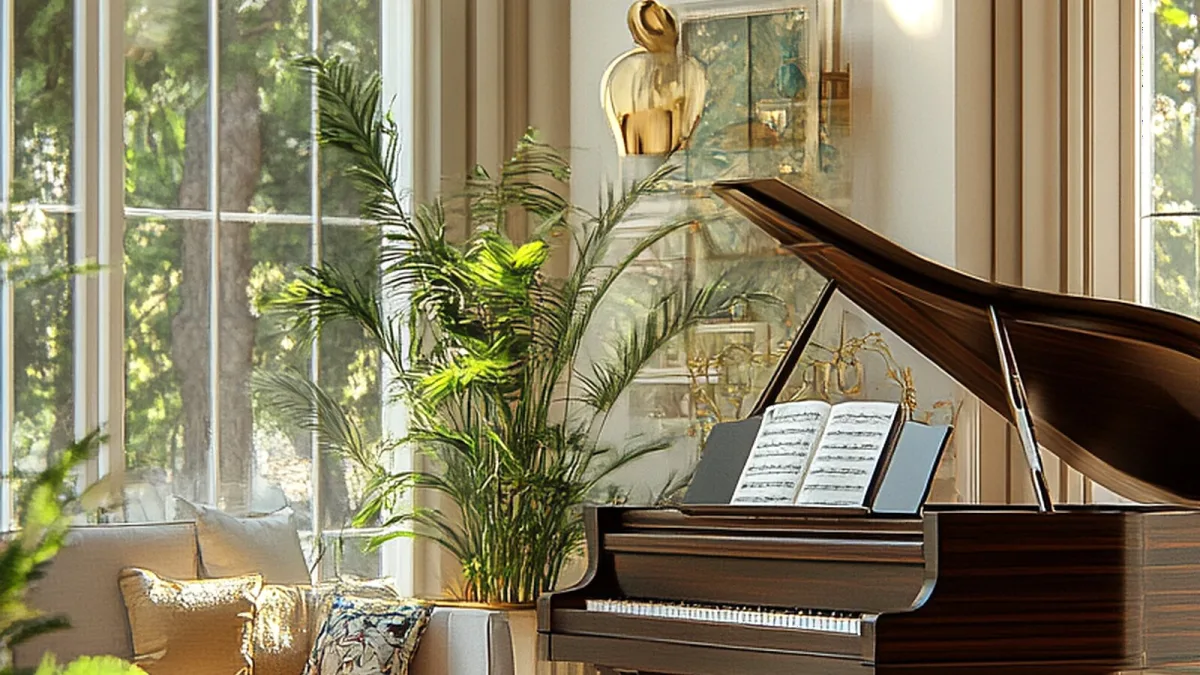
"Yamaha piano" covers a lot more ground than most people realise — acoustic uprights and grands, digital instruments, hybrids that split the difference, and even self-playing systems. If you're trying to make sense of the range before choosing one, here's a friendly walk-through of what's actually out there and how the pieces fit together.
Three Ways to Make the Sound
Every instrument in the range falls into one of three broad families, and understanding the difference matters more than any individual model name.
- Acoustic: felt-covered hammers strike real strings. You control volume and tone through key speed, and the pedals shape sustain and resonance. No electricity involved in the sound itself.
- Digital: samples or modelled sound reproduced through speakers or headphones. No tuning required, and features like recording, headphone practice and app integration come as standard on many models.
- Hybrid: Yamaha's AvantGrand range uses genuine acoustic-style key actions — built from real wooden acoustic grand-piano parts — paired with digital sound generation, so the touch feels acoustic even though the sound doesn't come from strings.
The Acoustic Range, Family by Family
| Series | Type | Generally suited to |
|---|---|---|
| B Series | Entry-level upright | First acoustic instrument, manageable price |
| U Series | Professional/educational upright | Homes, teaching studios, institutions |
| YUS Series | Premium upright | Advanced students, demanding home players |
| CX / SX Series | Grand piano | Performance and professional use |
| CF Series | Concert grand | Major stages, competition-level performance |
An upright saves floor space by standing the strings and soundboard vertically, which makes it the more practical choice for most homes. A grand lays them horizontally instead, letting gravity help the hammers reset faster — which is why grands generally repeat notes more quickly and offer a wider range of tonal expression.
The Digital Range, Family by Family
- P Series: portable digital pianos built for home use, teaching, rehearsal and gigging.
- ARIUS (YDP): furniture-style home instruments with an integrated stand, aimed at grand-piano feel in a compact cabinet.
- Clavinova CLP: piano-focused instruments with more advanced actions and acoustic-piano sound modelling or sampling.
- Clavinova CSP: built around app-based learning, recording and guided-performance features.
- Clavinova CVP: arranger pianos with accompaniment styles, a wide range of instrument voices and MIDI playback.
- Disklavier: a player-piano system that can record and reproduce performances, availability depending on model and region.
Features Worth Understanding, Not Just Counting
It's tempting to compare digital instruments by how many built-in sounds they offer, but a handful of genuinely convincing piano tones beats a hundred weak presets every time. The things that actually matter more are the key action and sensor system, polyphony (how many notes can sound at once without cutting out), pedal behaviour — including proper half-pedalling for classical repertoire — and speaker quality. On the acoustic side, the equivalent factors are touch weight, escapement, repetition speed and tonal character, all of which vary between individual instruments even within the same series.
A Few Practical Tips
Acoustic instruments need regular tuning — roughly twice a year for typical home use is a common guideline — plus occasional regulation and voicing as they age. Digital instruments skip tuning entirely, but their key contacts, pedals and speakers can still need servicing over time. Either type should stay away from direct sunlight, air-conditioning vents, damp areas and sudden temperature swings; stable humidity, somewhere around 45–65%, is a sensible target for anyone with an acoustic instrument at home.
Acoustic-Style Action Without the Tuning
The AvantGrand hybrid range deserves a bit more explanation, since it confuses people the most. Instead of a typical digital key mechanism, models like the N1X, N2 and N3X use genuine wooden action components taken from an acoustic Yamaha grand piano, with optical sensors replacing the felt hammers as the trigger for sound. The result is a touch that feels remarkably close to a real grand, paired with the practical benefits of digital instruments — headphone practice, no tuning, and reliable behaviour regardless of climate. It doesn't make the instrument acoustically self-sounding, though; the actual tone still comes from digital electronics and loudspeakers, not vibrating strings.
Where to Go From Here
Ready to actually choose one? Yamaha Piano: A Complete Buyer's Guide covers what to check before you commit, and The Best Yamaha Pianos for the Money breaks the range down by player type. New to the instrument altogether? Yamaha Piano for Beginners: A Complete Guide starts from square one, and Common Yamaha Piano Mistakes to Avoid is worth a read before you settle on anything.
The Bottom Line
Once you understand the three broad families — acoustic, digital and hybrid — and roughly where each series sits within them, the range stops feeling overwhelming. Match the family to how and where you'll actually play, and the individual model choice becomes a much smaller decision.





Comments