


Yamaha Piano roundup
Yamaha Piano: A Complete Buyer's Guide
Before comparing model names, settle the bigger decisions first — here's a proper, step-by-step guide to buying a Yamaha piano.
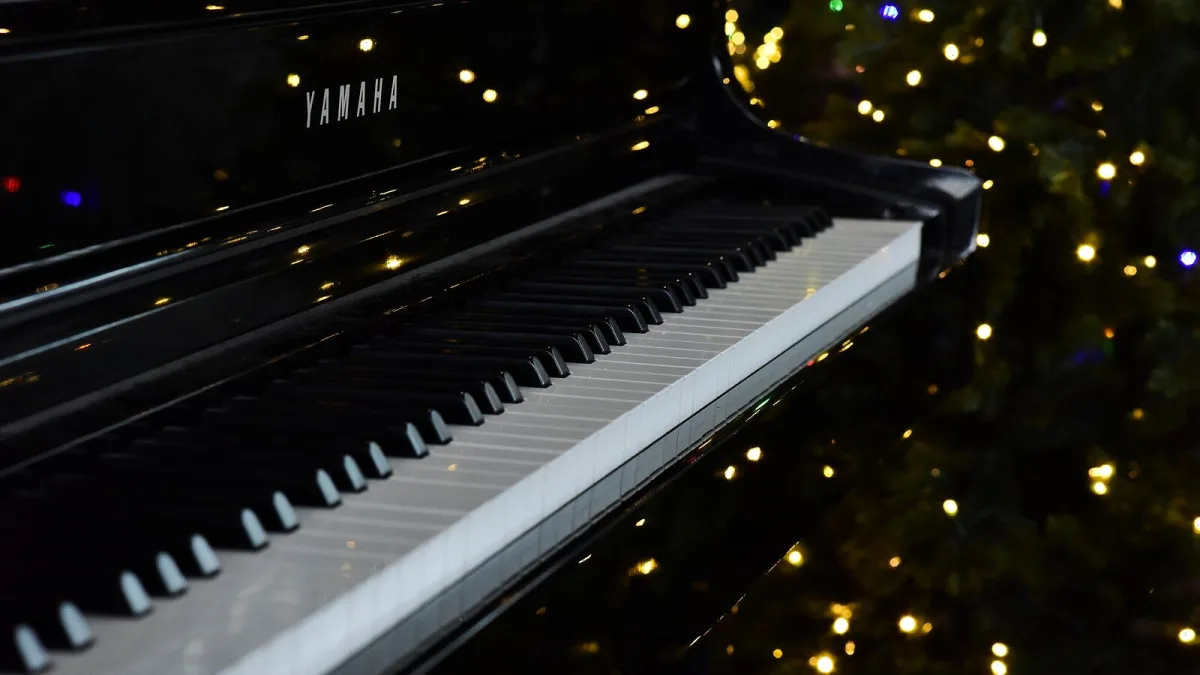
Buying a Yamaha piano is a bigger commitment than most purchases, and with a range this broad, it's easy to get lost comparing model names instead of thinking about what you actually need. Let's slow down and go through it properly, one decision at a time.
Step One: Decide the Family Before the Model
Before comparing individual Yamaha piano models, settle on acoustic, digital or hybrid. This one decision does more to narrow your search than any spec sheet will. An acoustic instrument needs tuning and space but rewards you with real touch and tonal nuance. A digital instrument needs neither, and adds headphones, recording and volume control. A hybrid, such as Yamaha's AvantGrand range, tries to give you an acoustic-style touch with digital convenience — a genuinely useful middle ground if the trade-offs of the other two don't sit well with your situation.
Matching the Instrument to Your Use Case
| Your situation | Usually the better fit | Why |
|---|---|---|
| Limited space, first instrument | P Series or ARIUS digital | Lower maintenance, headphones, compact footprint |
| Wants furniture-style home instrument | ARIUS or Clavinova CLP | Integrated cabinet, stronger home speaker systems |
| Advanced student | U/YUS acoustic, CLP or AvantGrand | More developed touch and expressive control |
| Needs to gig or transport it | P Series | Transportable, amplified design |
| Wants realistic action, no tuning | AvantGrand | Acoustic-style mechanism, digital convenience |
| Wants backing tracks and arrangements | Clavinova CVP | Voices, Styles, MIDI and performance features |
| Serious acoustic performance | CX, SX or CF grand | Greater projection, tonal range, repetition |
Buying an Acoustic Instrument
- Play it before you buy it. Touch weight, escapement, repetition and tonal character are subjective and genuinely vary between individual instruments, even within the same series.
- Inspect the action. Check for uneven key resistance, sluggish repetition, clicking noises and inconsistent dampers.
- Check tuning stability, not just pitch. A piano can sound acceptable straight after a tuning but still need regulation or voicing work underneath that.
- Look at the soundboard and bridges for cracks, loose pins or signs of structural movement.
- Ask for service history. The date of manufacture alone tells you very little about actual condition.
- Budget for delivery, tuning and possible regulation on top of the purchase price — these can add up meaningfully.
Buying a Digital Instrument
- Prioritise the action over the sound count. A dozen convincing piano tones beat a hundred weak presets.
- Compare key actions in person where possible — Yamaha uses different mechanisms across the P, ARIUS, Clavinova and AvantGrand families, and they don't all feel the same.
- Check the polyphony, since it matters most when you're using sustain, layered sounds or complex passages.
- Evaluate the pedal support, particularly half-pedalling and sostenuto if you play classical repertoire.
- Check the connections you'll actually use — USB, MIDI, Bluetooth or dual headphone outputs, depending on model.
Buying Secondhand
A used Yamaha piano can be genuinely good value, acoustic or digital, but the checks above matter even more on an older instrument. For an acoustic model, ask specifically when it was last tuned and regulated, not just when it was made — two instruments from the same year can be in very different condition depending on how they've been played and maintained. For a digital model, test every key, pedal input and connection yourself rather than trusting a listing description, since electronic faults aren't always obvious until you actually try to use the feature in question.
A Word on Environment
Wherever you land, keep your Yamaha piano away from direct sunlight, air-conditioning vents and sudden temperature swings, with stable humidity roughly in the 45–65% range for an acoustic model. A large grand piano in a very reflective room can also sound excessively bright, so it's worth thinking about placement and room acoustics, not just the instrument itself.
Related Reading
For the fuller picture of how the different series compare, Yamaha Piano Explained: Features, Types and Tips is the natural companion piece. If you want options broken down by player type and budget, see The Best Yamaha Pianos for the Money, and Common Yamaha Piano Mistakes to Avoid is well worth reading before you sign anything.
Don't Rush the Decision
It's worth resisting any pressure to decide on the spot, whatever the setting. Ask to sit with an instrument for a while rather than a quick two-minute play, bring someone whose musical judgement you trust if you can, and don't be afraid to visit more than one dealer or seller before committing. This is very often a purchase you'll be living with for years, sometimes decades, so a slightly slower decision process is time well spent.
The Bottom Line
Decide the family first, match it to how you'll actually use the instrument, then work through the practical checks above before you commit. A little patience at this stage saves a lot of regret later — and an instrument, chosen properly, is one you'll likely keep for decades.





Comments