


Roland MIDI Keyboard article
Everything You Need to Know About Roland A49 Midi Keyboard Controller
Roland MIDI keyboards are essential for music production and live performance. Discover how to select the perfect controller for your setup and workflow.

Introduction to Roland MIDI Keyboards
Roland MIDI keyboards represent a cornerstone of modern music production, offering reliable hardware controllers that integrate seamlessly with digital audio workstations, synthesizers, and virtual instruments. Whether you're producing electronic music, composing film scores, or controlling live performance systems, a Roland MIDI keyboard provides the tactile interface that transforms digital sound design into expressive, nuanced performances.
Understanding MIDI Keyboard Technology
A Roland MIDI keyboard sends digital information—note number, velocity, and controller data—to software or synthesizers rather than producing sound directly. This fundamental distinction separates MIDI controllers from standalone instruments. A Roland MIDI keyboard's primary function is translating finger movements into precise digital control signals. This flexibility means a single controller can operate any number of different sound sources, making Roland MIDI keyboards infinitely versatile.
Roland's Product Lineups
Roland manufactures several distinct MIDI keyboard families. The Fantom series represents flagship music production tools, featuring integrated sounds and advanced sequencing capabilities. The A-series controllers offer standalone keyboards for studio integration. Smaller compact units suit travelling musicians and minimalist setups. Each Roland MIDI keyboard category addresses specific production contexts without sacrificing build quality or interface intuition.
Keyboard Action and Feel
The most critical factor distinguishing Roland MIDI keyboards is keybed quality. Semi-weighted action provides responsive feel suitable for electronic music production. Fully-weighted hammer action mimics acoustic piano touch, essential for convincing piano sound. A Roland MIDI keyboard's keybed dramatically influences performance feel—budget models with cheap plastic keys feel fundamentally different from premium examples. Hands-on testing before purchase proves essential.
Essential Control Features
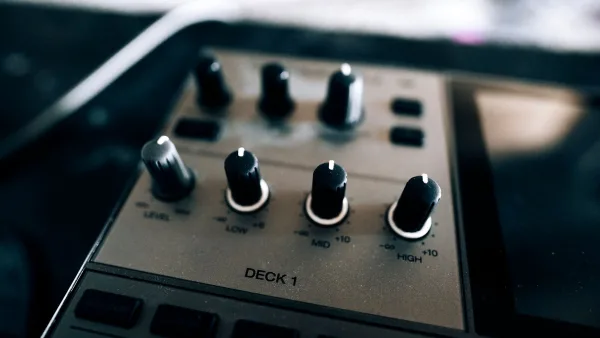
Quality Roland MIDI keyboards include intuitive controls for real-time expression. Faders, knobs, and pads allow tweaking sound parameters during performances. Velocity sensitivity ensures that playing dynamics translate into natural dynamics in the connected sound source. A Roland MIDI keyboard's control layout significantly impacts creative workflow—straightforward, logical designs prove far more useful than overly complex alternatives cluttered with buttons.
Integration with DAWs and Software
A Roland MIDI keyboard functions as the command centre for digital audio workstations. Plugin instruments in Ableton, Logic, Cubase, or Reaper receive messages from your controller. Hands-on knob and fader manipulation provides dynamic control that mouse-and-keyboard manipulation cannot replicate. A Roland MIDI keyboard transforms production from screen-based interaction into tactile, intuitive workflow.
Standalone Synthesizer Integration
Many Roland MIDI keyboards pair beautifully with dedicated synthesizers or hardware modules. The keyboard sends MIDI data to the synth, which generates sound. This setup appeals to electronic musicians preferring dedicated hardware over software. A Roland MIDI keyboard paired with suitable hardware proves remarkably powerful for live performance and studio production.
Portability and Setup Simplicity
Unlike instruments generating their own sound, a Roland MIDI keyboard remains remarkably portable. Connect to a laptop, audio interface, and monitors, and you have a complete production studio. This portability explains why Roland MIDI keyboards dominate both bedroom producers and touring musicians' setups. The minimal footprint and weight make them ideal for flexible, mobile workflows.
Build Quality and Reliability
Roland's reputation for solid construction applies to MIDI keyboards. The switches, knobs, and keys withstand years of regular use. Internal components employ quality components that remain reliable through extensive touring and studio work. This durability proves particularly important for live performers who depend on equipment functioning under pressure.
Price Considerations and Value
Roland MIDI keyboards range from budget compact models (£100–300) through mid-range controllers (£400–800) to premium production keyboards (£1500+). Higher prices typically reflect expanded features, superior keybed quality, and integrated sound engines. For bedroom producers, budget options prove perfectly adequate. Professional touring musicians often invest in premium models for reliability and control depth.
Deciding on a Roland MIDI Keyboard
Choose a Roland MIDI keyboard based on your production context and budget. Bedroom producers starting out benefit from affordable compact controllers. Serious producers investing in software synthesizers should prioritise keybed quality and comprehensive control. Touring performers require reliability and portability combined with sufficient controls for real-time manipulation. Test multiple models before deciding—the feel of playing each varies significantly, and finding one suited to your touch proves essential for enjoyable music-making.




Comments