


Modular Synth Modules article
Modular Synth Modules for Beginners: A Complete Guide
Patching looks like magic until someone shows you the trick. Here's a calm, jargon-free start with modular synth modules.
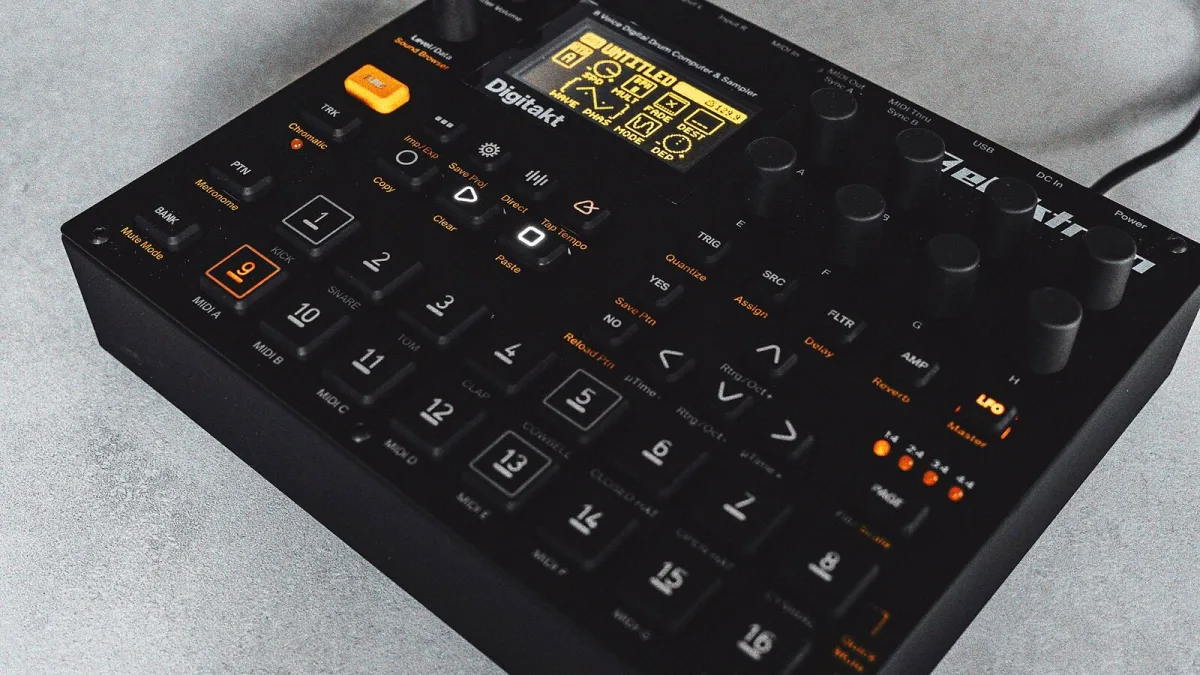
If you've watched a modular performance video and felt equal parts fascinated and completely lost, you're exactly who this is for. Patching looks like magic until someone shows you the trick, and honestly, the trick isn't that complicated.
Forget the Whole Rack — Start With Four Boxes
You don't need a wall of gear to understand how modular synth modules work together. You just need four: something that makes a sound, something that shapes its tone, something that shapes its volume over time, and something that plays the notes. Everything else is a variation or an addition on top of that basic idea.
The Cast of Characters
- Oscillator — makes the raw sound. Think of it as the singer.
- Filter — brightens or darkens that sound, like adjusting treble and bass.
- Envelope — decides how a note starts and fades, giving it life instead of a flat on/off switch.
- VCA — actually applies that envelope to volume, working as the envelope's hands.
- Sequencer or keyboard — tells everything else which note to play and when.
Patch Cables Aren't Scary — They're Just Instructions
A patch cable is simply a way of saying "send this signal here." Plug an oscillator's output into a filter's input, and you're telling the system: shape this sound with this filter. That's it. There's no wrong way to explore, only combinations that sound different from each other.
Your First Patch, Explained Simply
- Plug the oscillator into the filter's input.
- Plug the filter's output into the VCA's input.
- Plug the VCA's output into your mixer or headphone output.
- Send a gate from your sequencer or keyboard into an envelope generator.
- Patch that envelope into the VCA's control input, so it actually controls the volume.
Press a note, and you should hear the oscillator's tone rise and fall instead of snapping abruptly on and off. That single patch, built from just four modular synth modules, is the backbone of most melodic sounds you'll ever make.
Modular Synth Modules: Words That Sound Scarier Than They Are
| Term | Plain-English meaning |
|---|---|
| CV (control voltage) | A signal that tells another module what to do, like which pitch to play. |
| Gate | Stays switched on for as long as a key is held down. |
| Trigger | A tiny, one-off pulse — like a single tap rather than a held press. |
| Patching | Connecting modules with cables to build a custom signal path. |
You Genuinely Cannot "Wire It Wrong"
New patchers worry constantly about breaking something. In practice, most modular gear is built to shrug off an odd or unexpected connection — you might just get silence, or a strange noise, and both are one unplug away from being fixed. Curiosity is safe here.
The Cheapest Way to Learn
Before spending anything, try VCV Rack — free software that behaves like a real system on your computer. It's a brilliant, zero-risk way to get your head around signal flow, and everything you learn there transfers directly to physical gear later.
Small Wins to Aim For
Don't chase a "finished sound" in week one. Aim for smaller wins instead: get a note to fade in slowly, get a filter sweep that changes over a held note, and get one sound you'd happily use in an actual track. Three small wins teach you more than an afternoon spent reading manuals cover to cover.
Where to Go Next
Once patching feels natural, our full guide fills in the bigger picture of how every module family fits together, and our buyer's guide is there when you're ready to actually shop. It's also worth reading our list of common mistakes so you can dodge a few of them from day one.





Comments