


Drum Synthesizer article
The Ultimate Guide to Drum Synthesizer Online
A drum synthesizer is an electronic instrument designed for creating custom percussion and drum sounds, from realistic acoustic simulations to experimental timbres.

A drum synthesizer represents a powerful tool for creating custom percussion sounds, from realistic acoustic drum simulations to purely experimental electronic timbres. Whether you're an electronic musician, producer, composer or sound designer, understanding drum synthesizer capabilities and choosing the right instrument opens boundless creative possibilities. This comprehensive guide explores drum synthesis fundamentals and practical applications.
What is a Drum Synthesizer?
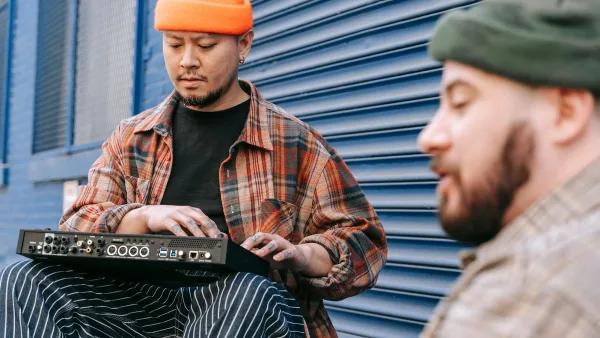
A drum synthesizer is an electronic instrument designed specifically for generating percussion and drum sounds. Unlike general-purpose synthesizers that play pitched notes, drum synthesizers focus on creating hits, pulses and short, percussive timbres. They range from simple rhythm machines to sophisticated instruments offering granular control over every aspect of drum tone.
The field encompasses various instruments. Drum machines are rhythm-based synthesizers programmed to play beat patterns. Hybrid synthesizers bridge drum synthesis and pitched synthesis, enabling both percussion and melodic capabilities. Standalone drum synthesizers like the Elektron Analog Rytm offer deep sound design possibilities focused on percussion. Software drum synthesizers provide unlimited flexibility via DAWs and plugins.
Drum Synthesis Fundamentals
Creating drum sounds requires understanding percussion synthesis principles. Acoustic drums comprise complex tones—an initial attack transient (the beater striking the drum head), followed by decaying resonance at specific pitches. Drum synthesizers model this behaviour through envelope generators that shape attack, decay and release characteristics.
Most drum synthesizers use oscillators combined with filters and envelope generators, mirroring general synthesis principles but optimised for percussive articulation. A hi-hat sound typically uses white noise passed through a short envelope. A kick drum uses a pitched oscillator with rapid frequency envelope (pitch slides downward). A snare combines short, filtered noise bursts with pitched resonance.
Sophisticated drum synthesizers offer granular synthesis, wavetable scanning, or sample playback, providing unimaginable sonic possibilities. Understanding these tools and how they interact produces authentic acoustic simulations or wildly experimental sounds.
Types of Drum Synthesizers
Drum machines are programmable synthesizers that sequence drum patterns. The classic TR-808 and TR-909 machines defined electronic music production. Modern drum machines like the Elektron Analog Four or Nord Drum combine synthesis with step sequencing, enabling rapid programming and live performance.
Standalone drum synthesizers like the Elektron Analog Rytm offer dedicated sound-design tools. These instruments typically feature multiple drum synthesis engines, allowing complex polyphonic percussion arrangements. They're ideal for producers seeking professional-grade percussion instruments.
Software drum synthesizers offer unprecedented flexibility. Plugins like Xfer Records Serum, Native Instruments Reaktor and Spectrasonics Omnisphere include sophisticated drum synthesis capabilities. Sample-based drum machines like Maschine combine synthesis, sampling and sequencing.
Modular synthesizers offer infinite customisation through patch cables connecting various modules. Building drum sounds from individual oscillators, filters and envelope generators teaches profound understanding of synthesis principles.
Acoustic Drum Simulation
Modern drum synthesizers convincingly simulate acoustic drums. Real-time algorithms model the physics of drum heads responding to strikes, creating responsive, dynamic percussion tones. Samples of genuine acoustic drums combined with synthesis produce hyper-realistic sounds.
Producers increasingly use drum synthesis for acoustic replacement. Recording drums in untreated rooms suffers from mud and reflections. Triggering synthesized drum sounds from live drum triggers enables keeping performance dynamics whilst achieving studio-quality tone. This hybrid approach combines performance authenticity with sonic control.
Electronic and Experimental Drums
Drum synthesis excels at creating sounds impossible on acoustic drums. Digital delays, granular processing and wavetable manipulation produce otherworldly percussion. Layering multiple synthesised drums creates complex, evolving timbres. Modulating drum pitch and timbre over time produces movement and interest unavailable from static acoustic samples.
Electronic music genres depend entirely on drum synthesis. Techno, house, industrial and ambient music rely on precisely sculpted drum sounds that define genre aesthetics. Sound designers spend hours perfecting kick drum tone, hi-hat character and snare articulation, understanding that drum synthesis is central to their artistic voice.
Comparing Popular Drum Synthesizers
The Elektron Analog Rytm offers true analog synthesis with digital sequencing, beloved by professionals seeking warm, characterful percussion. The Elektron Analog Four combines drum synthesis with pitched synthesis, enabling complex arrangements. The Nord Drum provides portable drum synthesis in compact form. The Elektron Digitakt samples and manipulates drums via digital processing.
Software platforms offer virtually unlimited options. Maschine combines sampling, synthesis and sequencing in integrated hardware and software. Ableton Live's instruments and Max for Live enable sophisticated drum programming. FL Studio's sound design capabilities make it a producer favourite.
Choosing a Drum Synthesizer
Consider your primary use case. Bedroom producers benefit from software drum synthesizers—affordable, infinitely flexible and integrating smoothly with existing DAWs. Live performers appreciate dedicated hardware like the Elektron Analog Rytm for immediate tactile control. Sound designers creating acoustic replacements might prefer complex synthesis engines. Electronic music producers often demand hybrid instruments combining drums with pitched synthesis.
Budget influences decisions too. Software plugins cost £100–£500. Portable hardware like the Nord Drum costs £400–£600. Professional synthesisers like the Elektron Analog Rytm cost £1,000+. Consider value relative to your production needs and commitment level.
Practical Applications
Film and game composers use drum synthesis for creating unique percussion. Sound designers synthesise rhythm-track percussion for maximum flexibility. Producers layer synthesised drums with acoustic samples for hybrid tone. Live performers trigger drum sounds via pads or MIDI controllers. Educators teach synthesis principles through drum sound design—it's immediately gratifying and musically meaningful.
Conclusion
Drum synthesizers represent essential tools for modern music production, sound design and electronic composition. Whether you create realistic acoustic replacements or experimental electronic soundscapes, drum synthesis capabilities enable unlimited creative expression. From affordable software plugins to professional hardware synthesisers, accessible tools exist at every price point and skill level. Understanding drum synthesis fundamentals opens creative possibilities that traditional sample-based approaches cannot match.




Comments