


Roland Fp10 roundup
Roland Fp10: A Complete Buyer's Guide
Before you buy a Roland FP-10, here's exactly what to check: the action, what's really in the box, connectivity and how it stacks up against the nearest rivals.
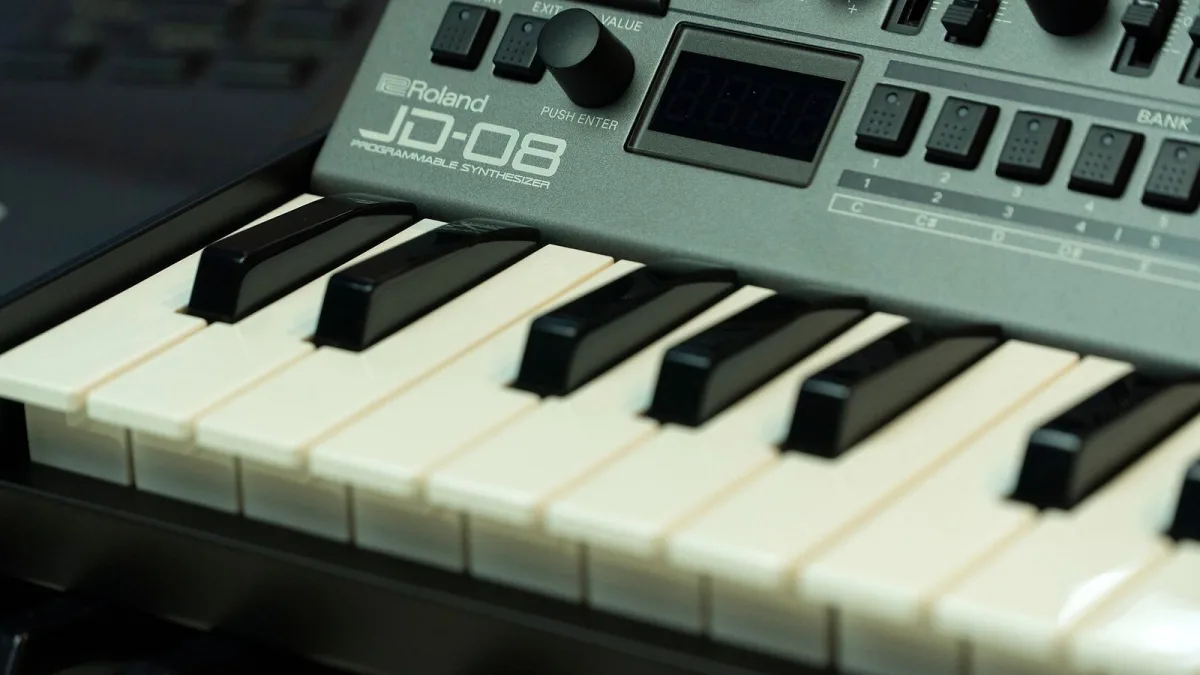
Shopping for an entry-level digital piano throws up more questions than the spec sheets ever answer: which numbers actually matter, what's really in the box, and how much you can trust the marketing photos. This buyer's guide sets out exactly what to check before you put your money down on the Roland FP-10, so you know precisely what you're getting.
Start With the Action, Not the Extras
Before you look at anything else, sit down and play it — or, if you're buying online, read carefully what the action is built from. The FP-10 uses Roland's PHA-4 Standard mechanism: 88 full-size, weighted and graded keys with a simulated escapement point (a small notch of resistance near the bottom of the key travel, mimicking an acoustic hammer letting go) and lightly textured key surfaces. This is the part of a digital piano that's hardest to upgrade later, so it should be the deciding factor, not the last thing you check.
- Graded weighting: lower notes should feel heavier under your fingers than higher ones.
- Adjustable touch curves, so the response can suit a lighter or firmer player.
- A quiet mechanism — some cheaper actions produce noticeable key noise, which becomes annoying with headphone practice.
Check What's Actually Included in the Box
Package contents vary by retailer and region, so never assume. Typically you'll get:
| Item | Usually included? |
|---|---|
| Instrument and power supply | Yes |
| Basic sustain pedal | Often, in standard bundles |
| Dedicated KSCFP10 furniture stand | Rarely — usually a separate purchase |
| Music rest | Usually included |
| Full three-pedal unit | No — the FP-10 supports one sustain pedal input, not a full pedal board |
If you want the look and feel of furniture rather than a keyboard-on-a-stand setup, budget separately for Roland's stand and a proper pedal, since bundles that include both are far from universal.
Comparing Connectivity Before You Buy
Look for USB MIDI and Bluetooth MIDI, both of which this model has. A quick word of warning that catches out plenty of buyers: Bluetooth MIDI carries performance data, not audio, so you can't stream music from your phone through the built-in speakers this way. If wireless audio streaming matters to you specifically, that's not what this connection is for — it's for controlling apps and recording your playing wirelessly instead.
For music production, prioritise a stable USB connection if you need the lowest possible latency; keep Bluetooth for cable-free convenience with practice apps and casual use.
Sound Options: What's Onboard vs What Needs an App
Check how many voices are genuinely available from the instrument's own buttons versus how many require Roland's free Piano Partner 2 companion app. Retailer listings sometimes quote different figures depending on which they're counting. If a large sound library matters to you, an instrument marketed as a "stage piano" is likely to serve you better than an entry-level piano-focused model like this one.
Speakers: Fine for Practice, Not for a Recital
Built-in amplification here comes from two 6-watt speakers — ample for a bedroom or living room, but not a substitute for a PA system if you ever need to fill a larger room or play over other instruments. If volume for group settings is a priority, factor in an external amp or keyboard combo, or look one tier up in the same maker's range.
Weighing Up the Nearest Rivals
No purchase decision happens in a vacuum. Common comparisons for the FP-10 include Yamaha's P-series, Casio's CDP-S range and Kawai's ES range — each with its own take on a weighted action and its own balance of speakers, controls and connectivity. If stronger built-in speakers, more onboard sounds or extra physical controls matter more to you than outright value, Roland's own FP-30X is the natural step up within the same family.
Common Buying Mistakes to Avoid
- Assuming the stand is included. Many listings show it in photos but sell it separately.
- Confusing Bluetooth MIDI with Bluetooth audio. Check this specifically if wireless music streaming is what you actually want.
- Ignoring the pedal situation. One sustain input is not the same as a full three-pedal setup some players expect from a "real" piano.
- Buying on speaker specs alone. Headphone practice is where most players spend most of their time anyway.
- Skipping a real play test. Where possible, try the action in person before committing, since touch preference is personal.
Once you've settled on this model, our full overview of the Roland FP-10 is a good next stop for the complete feature rundown, and if it's your first serious instrument, our beginner's guide covers the early weeks in detail. For advice on getting the most for your budget, including stand and pedal bundles, see our guide to the best value setups.
The Bottom Line
Buy on the strength of the keyboard action first, treat the speakers and sound count as secondary, and budget separately for the stand and a proper pedal if you want a furniture-style setup. Get those decisions right and the FP-10 remains one of the more sensible purchases at its price point.



Comments