


Roland Fp10 article
A Guide to Roland Fp10
The Roland FP-10 packs a genuinely convincing weighted action into a slim, affordable 88-key digital piano. Here's how it works and what it's really like to play.
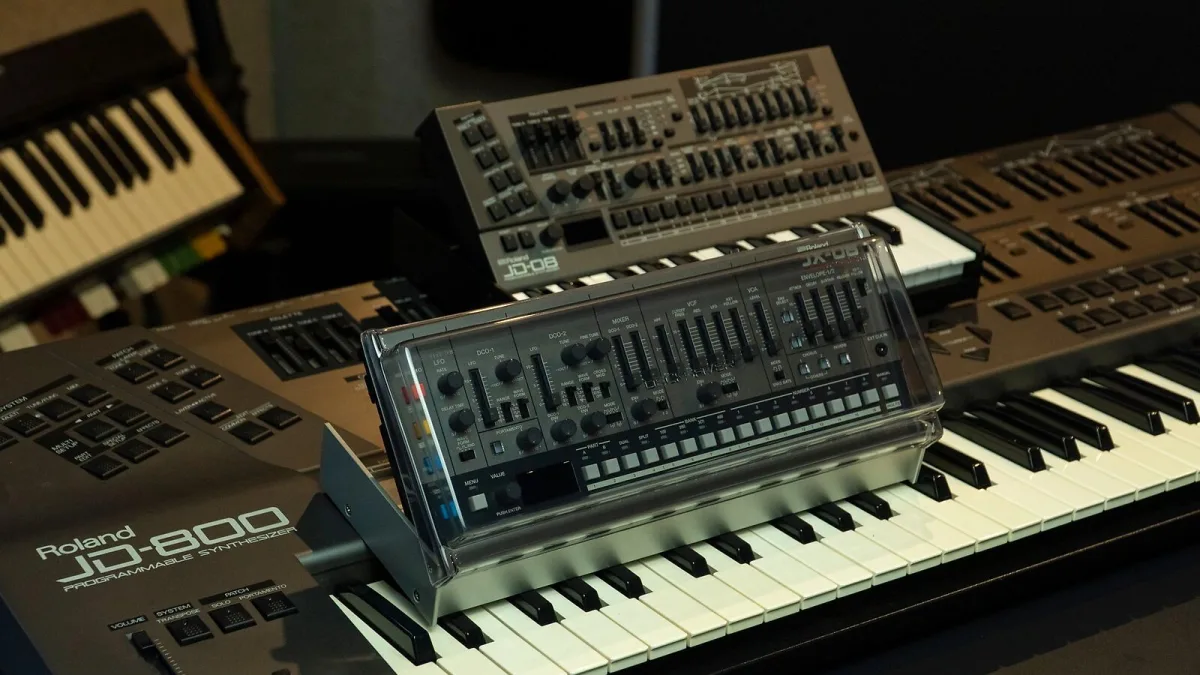
If you've been reading up on entry-level digital pianos, the Roland FP-10 has almost certainly come up. It's a slim, 88-key instrument built for one job above all others: giving you a genuinely convincing piano-playing feel without asking for cabinet-piano money or cabinet-piano space. Here's what it actually is, how it works, and where it sits among the other digital pianos you'll be comparing it with.
What Is the Roland FP-10?
It's the entry point into Roland's FP range of portable digital pianos. It has a full 88-key keyboard, built-in speakers, a headphone socket and a handful of controls on the front panel — but very little else in the way of bells and whistles. That's deliberate. Roland's engineers put almost all of the budget into the part that matters most for a piano: the keys themselves.
It's aimed at home players, students, teachers and anyone who wants a serious practice instrument that can be tucked away or carried between rooms. It isn't trying to be a stage piano loaded with sounds and effects, and it isn't trying to be a full arranger keyboard. It's a piano, first and foremost.
The Keyboard Action: Why It's the Whole Story
The single biggest reason people choose this instrument over other budget keyboards is its PHA-4 Standard keyboard action. This is Roland's weighted, graded hammer action: the lower keys feel heavier to press than the upper keys, just as they do on an acoustic piano, because that's roughly how a real hammer mechanism behaves.
Two extra details make it feel more convincing still:
- Escapement simulation — a small, deliberate notch of resistance you feel just before a key bottoms out, mimicking the "let-off" point of an acoustic grand's hammer mechanism.
- Simulated ivory and ebony key surfaces — a lightly textured finish on the keytops that grips the fingers better than plain smooth plastic, especially once your hands get warm.
You can also adjust touch sensitivity, choosing from several response curves (or switching it off entirely for a fixed volume), so the keyboard can suit a lighter touch or a firmer one.
Sound Engine and Polyphony
Under the hood, it runs Roland's SuperNATURAL Piano sound engine, with 96-note polyphony. Polyphony simply means how many notes and sustained overtones the instrument can produce at once before it starts cutting earlier ones off; 96 notes is comfortably enough for solo piano playing, including generous use of the sustain pedal, without you running into dropped notes.
Don't expect a huge onboard sound library, though. It keeps its instant, panel-accessible sounds deliberately small, and leans on Roland's free Piano Partner 2 companion app for extra tones, practice tools and lesson features. The priority, again, is the piano itself rather than a long list of alternate voices.
Connectivity: Bluetooth MIDI and USB MIDI
The FP-10 connects to phones, tablets and computers two ways: USB MIDI over a cable, and Bluetooth MIDI wirelessly. It's worth being clear about what that means, because it trips a lot of new buyers up.
MIDI is performance data — which notes you played, how hard, and for how long — not actual audio. So Bluetooth MIDI lets you play a practice app or a virtual instrument in a DAW wirelessly, but it does not stream music audio from your phone through the piano's speakers the way a Bluetooth speaker would. If you want the lowest possible lag for serious recording, a USB cable is still the more reliable choice; Bluetooth is brilliant for cable-free convenience with practice apps.
Twin Piano Mode
One neat feature for lessons is Twin Piano mode, which splits the keyboard into two identical, overlapping pitch ranges. A teacher and a student (or a parent and a child) can then sit side by side and play the same notes on their own half of the keyboard — useful for demonstrating a phrase or playing along in real time, though its narrow chassis makes it a slightly tighter squeeze than a full cabinet piano built for two players.
Speakers and Headphone Practice
Built-in amplification comes from two 6-watt speakers, which is perfectly adequate for a bedroom or living room but won't fill a hall or compete with a full band. For quiet practice at any hour, the headphone output is genuinely one of its best everyday features — you get the full weighted-action experience without disturbing anyone else in the house.
Roland FP-10 at a Glance
| Feature | Detail |
|---|---|
| Keys | 88, PHA-4 Standard weighted action with escapement |
| Sound engine | Roland SuperNATURAL Piano |
| Polyphony | 96 notes |
| Speakers | 2 × 6W built-in amplifiers |
| Connectivity | USB MIDI, Bluetooth MIDI, headphone out, sustain pedal input |
| Companion app | Roland Piano Partner 2 |
Who the Roland FP-10 Suits
It's an excellent fit for beginners and returning players who want a proper touch response for building real technique, for students who need headphone practice at odd hours, and for producers who want an affordable, full-size weighted MIDI controller. If you're weighing it up against the wider field, our Roland FP-10 buyer's guide walks through exactly what to check before you commit, and if you're picking up your very first instrument, our beginner's guide for first-time players starts from square one.
Players focused on getting the most for their money, including where to spend a little extra and where to save, will find our guide to the best Roland FP-10 value setups useful too.
The Bottom Line
It earns its reputation the old-fashioned way: it puts a genuinely serious keyboard action inside an affordable, portable instrument, and doesn't pretend to be anything it isn't. If you want a piano that feels like a piano under your fingers, rather than a keyboard that happens to have piano sounds loaded onto it, this remains one of the clearest starting points in its class.



Comments