


Korg Trinity article
Everything You Need to Know About Korg Trinity Vst
The Korg Trinity combines synthesis power with accessible interface design. Discover its sound engine, sequencing capabilities and why it remains influential decades after its release.

The Korg Trinity represents a landmark in keyboard synthesiser design, delivering sophisticated sound creation tools in an accessible format that influenced generations of producers. Whether exploring the original hardware, seeking the software recreation, or discovering this influential instrument for the first time, understanding its capabilities and character illuminates its enduring significance. The Korg Trinity has remained relevant through decades of technological change, speaking to the fundamentally powerful sound design architecture underlying its creation.
The Korg Trinity: Historical Context
Introduced in 1995, the Korg Trinity synthesiser combined workstation capabilities with outstanding sound quality at prices accessible to serious musicians rather than exclusively professional studios. This democratisation of advanced synthesis shaped modern music production. The Korg Trinity brought sophisticated sound shaping to bedroom producers and touring musicians alike.
The original Korg Trinity featured digital oscillators generating rich tones, multiple filter sections enabling complex sound design, and comprehensive sequencing functionality. Its combination of power and accessibility made it a favourite among composers, producers and performers worldwide.
Sound Design Architecture
The Korg Trinity employs sophisticated synthesis architecture enabling extraordinary sonic flexibility. The instrument features multiple oscillator types including digital waveforms and sampled sounds. Filter sections employ analogue-modelled processing delivering warm, musical tone shaping. Envelope generators control parameter evolution over time, crafting dynamic textures from static sounds.
Modulation options distinguish sophisticated synthesis instruments. The Korg Trinity offers extensive modulation routings enabling parameters to control other parameters in complex, evolving relationships. This layered approach to sound design moves beyond simple preset selection toward genuine sound creation.
Korg Trinity Capabilities and Features
| Feature Area | Korg Trinity Capabilities | Practical Application |
|---|---|---|
| Sound Engine | Multi-oscillator synthesis, extensive filtering, modulation | Creating original sounds rather than relying on presets |
| Sequencing | Pattern-based sequencer with 8 tracks | Arranging complete arrangements and compositions within the hardware |
| Sampling | Sample playback and basic manipulation | Integrating recorded material into performances |
| Keyboard Action | Velocity and aftertouch sensitive keys | Expressive performance control shaping dynamics and texture |
| Effects Processing | Onboard reverb, delay, chorus and other effects | Sound enhancement and creative texture design |
The Korg Trinity's multifaceted capabilities enable complete music creation without external equipment. Composers can generate sequences, layer sounds and add effects within a single instrument. This self-contained approach appeals to creators valuing immediate creative feedback.
The Hardware Experience
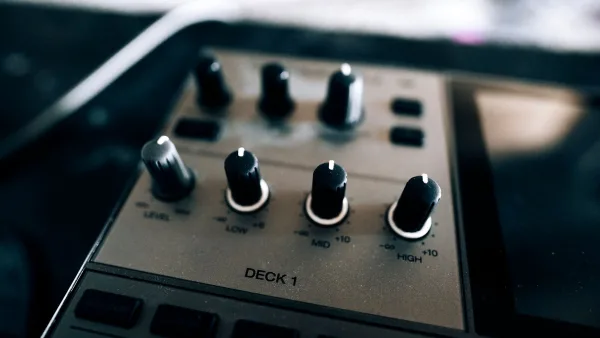
Physical interaction with the Korg Trinity shapes creative expression differently than software alternatives. The hardware's front panel presents controls intuitively; tweaking parameters during performance creates dynamic expression impossible through mouse-based interfaces. The keyboard's weighted action responds to technique, enabling nuanced performances where touch matters.
Hardware synthesisers like the Korg Trinity inspire exploration through immediate tactile feedback. Turning a knob instantly affects sound; there's no menu navigation or parameter hunting. This immediacy accelerates creative decisions and fosters experimentation that lengthy software workflows sometimes discourage.
Korg Trinity in Production Contexts
Professional producers have relied on Korg Trinity functionality across decades of music-making. Its combination of synthesis power and sequencing capability made it suitable for creating complete compositions independently. The instrument appears on countless recordings across electronic, pop, and progressive music genres.
The Korg Trinity's sequencing functionality, whilst basic compared to modern DAWs, offers genuine utility for arrangement and composition. Pattern-based sequencing encourages rhythmic thinking; the hardware's limitations foster creative problem-solving and distinctive compositional approaches.
Modern Korg Trinity Software Versions
Korg has released software versions—VST/AU plugins recreating the original sound engine and interface virtually. These software incarnations maintain the original's architecture whilst offering modern conveniences: unlimited undo, easy integration with DAWs, and no hardware maintenance requirements.
Software versions sacrifice the hands-on immediacy of hardware; parameter adjustment requires mouse interaction rather than tactile knob control. However, they provide affordable access to Korg Trinity sound design for producers without hardware space or budget.
Korg Trinity in Contemporary Music
Despite decades passing since its original release, the Korg Trinity remains actively used by producers and performers. Its sound signature—warm, musical, distinctly digital yet emotionally resonant—retains relevance across contemporary music. Vintage hardware appreciation has surged; original Korg Trinity units command strong prices on secondhand markets.
Learning and Mastery
Understanding the Korg Trinity thoroughly requires time investment. The instrument's capabilities extend far beyond preset selection; genuine mastery involves comprehending synthesis principles and modulation possibilities. This learning curve ultimately provides deeper understanding of synthesis itself—knowledge transferable to other instruments.
Conclusion
The Korg Trinity remains a sophisticated, inspiring instrument for sound designers and composers seeking synthesis power without overwhelming complexity. Whether discovering the original hardware or exploring modern software versions, the Korg Trinity offers creative possibilities rewarding deep exploration. Its enduring relevance speaks to fundamentally excellent design that transcends generational technology shifts. Approach it with curiosity and patience, and you'll unlock sophisticated sound creation capabilities that continue inspiring after decades of existence.




Comments