


Silent Concert Headphones article
Common Silent Concert Headphones Mistakes to Avoid
Most complaints about a silent event trace back to a handful of avoidable habits, not faulty equipment — here's the honest list of what goes wrong.
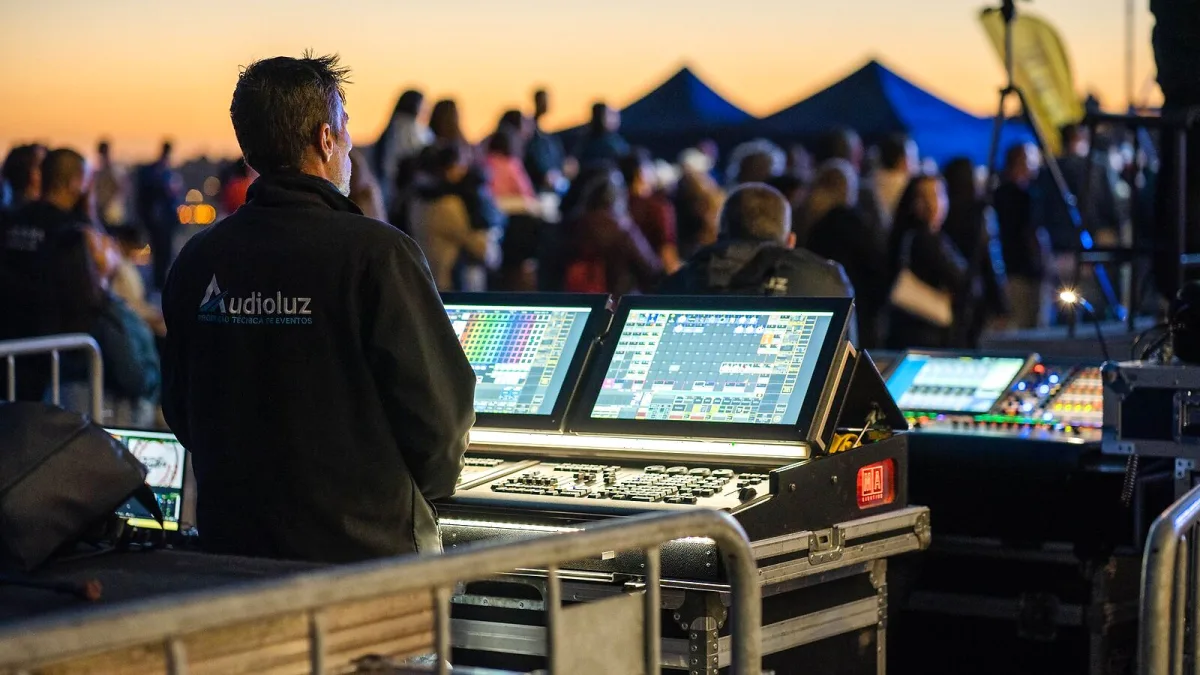
Most complaints about silent concert headphones at an event trace back to a handful of avoidable habits, not faulty equipment. Here's the honest list of what tends to go wrong, gathered so you can sidestep every one of them before your doors open.
Mistake 1: Trusting Bluetooth for a Large Audience
Bluetooth is genuinely convenient for one person's own device, but it simply wasn't built to serve dozens or hundreds of shared receivers reliably at once. Professional events use dedicated RF or UHF transmission for exactly this reason. Assuming an ordinary Bluetooth transmitter will scale up to a real crowd is one of the most common and most avoidable planning mistakes.
Mistake 2: Treating Battery Claims as Guarantees
A quoted 8 to 12 hours of battery life is a best-case figure, not a promise. Cold weather, high volume and battery age can all shrink real runtime considerably. Charge everything fully the night before, test at your actual intended volume, and always have spares ready rather than discovering the gap mid-event.
Mistake 3: Skipping a Proper Range Test
A manufacturer's quoted range is measured in open, unobstructed conditions that rarely match a real venue. Walls, crowd density and competing radio signals all eat into that figure. Walk the actual edges of where your audience will stand before the event, wearing a headset yourself, rather than trusting a spec sheet number.
Mistake 4: Assuming "Silent" Means Risk-Free for Hearing
Because the listener controls volume directly at the ear, some systems can reach genuinely uncomfortable levels if pushed too far. Set a sensible system maximum, avoid excessive bass boost, and give clear volume guidance. "Silent" describes the room around the event, not a guarantee about hearing safety.
Mistake 5: Not Explaining the Channel Button
If your event has more than one channel, a quick explanation at handout saves a genuinely surprising amount of confusion later. Guests who don't know how to switch channels will assume something's broken rather than realising they're simply on the wrong programme.
Mistake 6: Ignoring Hygiene on Shared Silent Concert Headphones
Headsets worn by many different people across one evening need proper cleaning — wipeable ear pads, sanitised headbands, and a way of pulling any visibly damaged unit out of circulation. Skipping this isn't just unpleasant for guests, it's the kind of detail that quietly damages an otherwise well-run event's reputation.
Mistake 7: Buying More Silent Concert Headphones Than the Event Needs
A professional-grade, multi-transmitter system is genuinely wasted on a single small gathering a year — you'll be paying for headroom and channel capacity that will simply never get used. Match the tier to how often and how large your actual events really are.
The Bottom Line
Nearly every one of these comes back to the same lesson: test properly, plan for the worst-case figures rather than the best-case ones, and communicate clearly with your audience. If you want the complete step-by-step process done properly from the start, our complete explainer covers it in full, and our beginner's guide is the gentler version if you're just starting out. Shopping for a system? See our buyer's guide and our round-up by budget before you spend anything.



Comments