


Grand Piano article
Grand Piano for Beginners: A Complete Guide
Learning on a grand piano gives you the best possible foundation. Here is what the beginner needs to know about how it works, how to sit, and how to begin.
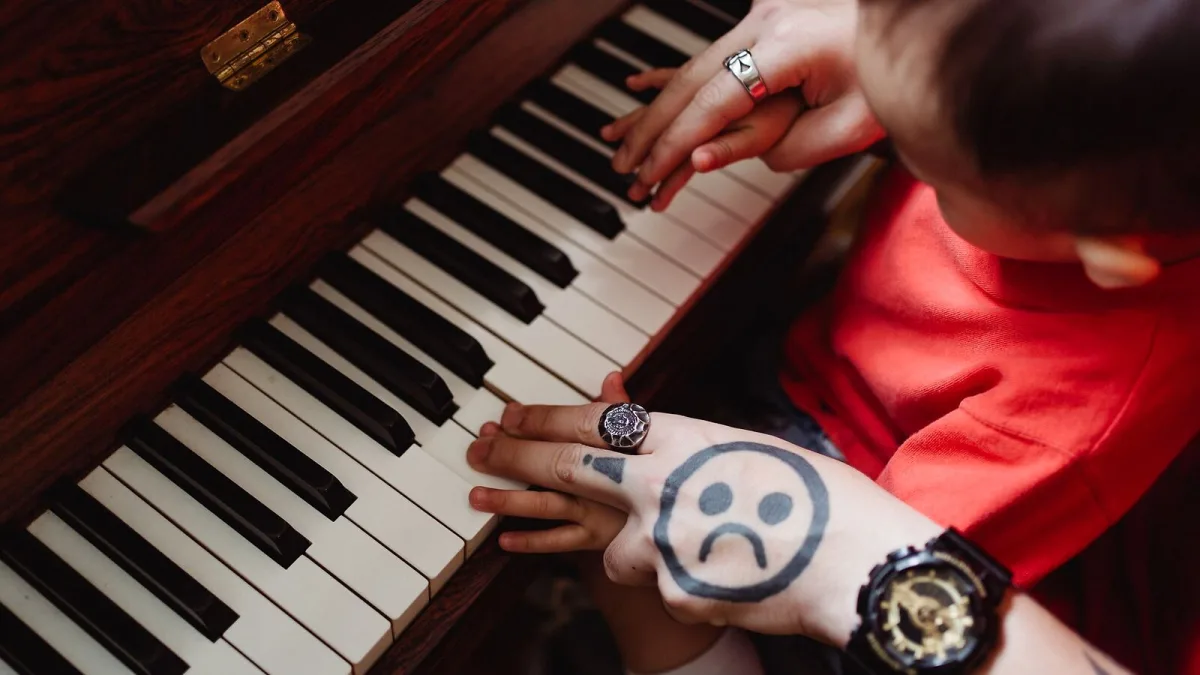
If you are new to the piano and drawn to a grand piano, you are in good company. There is something about sitting at a proper grand that feels immediately different from a keyboard or an upright — the sound opens up around you in a way that an upright cannot quite replicate, and the key action responds differently to your touch. This guide is for the beginner who wants to understand what they are sitting down to play.
What Makes a Grand Piano Feel Different
The key action of a grand piano is gravity-assisted. When you release a key, the mechanism resets by falling back under its own weight, rather than being pushed by a spring as in an upright. This allows a more sensitive response — the action can repeat a note faster, and it responds to lighter touches more naturally. For a beginner, this means that the connection between your finger and the sound is more direct, and developing touch and dynamics is more intuitive.
The horizontal strings are longer than in an equivalent upright, which produces a fuller, more resonant sound, particularly in the bass register. The sustain pedal (the right pedal) lifts all the dampers from the strings, allowing notes to ring on — an effect that you will use from your very first pieces.
The Three Pedals: A Beginner’s Introduction
Most students start with just the right pedal. Here is what all three do:
- Right pedal (damper pedal) — the most important for a beginner. Pressing it lifts all the felt dampers from the strings, allowing them to vibrate freely. Notes sustain and blend together. You will use this pedal in almost every piece you learn from the beginning stages onward.
- Left pedal (una corda) — shifts the action slightly so that hammers strike fewer strings per note, producing a softer, more intimate tone. Used for expressive effect when the music calls for a particularly quiet or veiled character.
- Middle pedal (sostenuto) — sustains only the specific notes that are held when the pedal is depressed. Used in some classical repertoire; beginners rarely encounter it in the early stages.
Sitting Correctly at a Grand Piano
Good posture from the start prevents injury and allows your technique to develop properly. At a grand:
- Adjust the stool so that your forearms are roughly parallel to the floor when your fingers rest on the keys, elbows very slightly lower than the keyboard.
- Sit at the front half of the stool — not perched on the edge, but not leaning back either.
- Keep your back straight and shoulders relaxed, not raised or tense.
- Position yourself so that you are centred on the middle C of the keyboard.
- Keep your feet flat on the floor, with the right foot positioned near (but not pressing) the right pedal.
Many beginners hunch over the keys when concentrating. Build the habit of looking up at the music and keeping your shoulders down from the very beginning.
First Things to Listen For
One of the advantages of learning on a grand piano is that the acoustic instrument teaches you naturally. The sound responds to how hard you press the keys — not just whether you press them. From your first lesson, listen for:
- Evenness — do all your notes sound equally controlled and intentional, or do some pop out louder accidentally?
- Legato — connecting notes smoothly, so that each note begins just as the previous one ends, without gaps.
- Tone quality — a piano produces a fuller sound when the key is pressed with a relaxed, firm touch rather than being poked or hammered.
Practical Care for Beginners
A new player should know the basics of looking after the instrument:
- Keep the lid over the keys when not playing — dust on the keys is inevitable but does not need to be encouraged.
- Do not place drinks, plants, or anything that might spill near the piano.
- Avoid placing the instrument near radiators, fireplaces or in direct sunlight — heat and light dry out the wood and affect tuning stability.
- Have it tuned twice a year by a registered piano tuner, even if you are still at an early stage. A properly tuned piano sounds beautiful and teaches your ear correctly.
How Long Before You See Progress?
Learning the piano is one of the most rewarding musical journeys — and one of the longest. Most beginners can play simple, recognisable pieces within the first few months. Coordination between both hands typically takes six months to a year to feel natural. The most important thing is regular, daily practice: twenty focused minutes every day is far more effective than two hours once a week.
Find Out More
Our grand piano explainer goes deeper on how the instrument works, its different types and sizes, and the major manufacturers. If you are at the point of choosing one, read our complete buyer’s guide, and our roundup of the best instruments by budget.
The Bottom Line
Learning on a grand piano gives you the best possible foundation as a player. The touch sensitivity of a grand action, the acoustic richness of the sound, and the way the instrument responds to your developing technique — all of these are advantages you will feel from the very beginning. Commit to regular practice, find a good teacher, and enjoy the journey. The instrument will reward your effort in ways that are hard to fully describe until you experience them.





Comments