


Digital Piano article
Digital Piano Explained: Features, Types and Tips
A digital piano recreates the sound and feel of an acoustic instrument without a single string. Here is what you need to know about how they work and which type suits you.
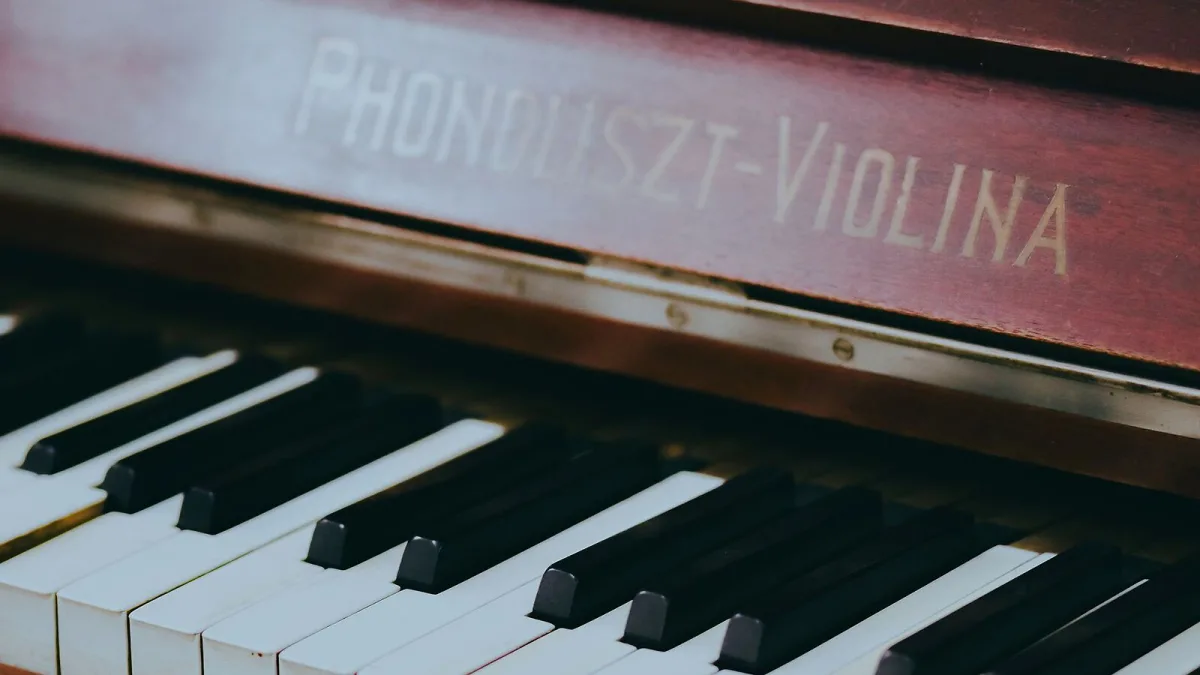
A digital piano does something rather clever: it recreates the sound, feel and expressive range of an acoustic instrument without a single string, hammer or tuning pin. Whether you are returning to the keys after years away or simply curious about what these instruments can offer, this guide explains how a digital piano works and which type might suit you best.
How It Produces Sound
At its heart, the instrument plays back high-quality audio recordings — called samples — of a real acoustic grand, triggered each time you press a key. Better instruments layer dozens of samples for each note: one for a gentle touch, one for a firm strike, one for the release. Some advanced models use physical modelling — mathematical equations that simulate the entire acoustic process — instead of, or alongside, samples. The result is a sound that responds dynamically to how hard and how fast you play.
Polyphony — the number of notes the processor can sound simultaneously — matters more than many beginners expect. When you hold the sustain pedal, every note you played keeps ringing; if the limit is reached, the oldest notes cut off. A minimum of 128-voice polyphony is sensible for most players; serious repertoire benefits from 192 or 256 voices.
Key Action: Why It Matters So Much
The single most important feature is the feel of the keys — the key action. Standard keyboards use unweighted, spring-loaded keys that feel nothing like an acoustic. A well-designed instrument uses weighted keys with a mechanism built to replicate the resistance and rebound of real piano hammers.
- Graded hammer action — keys are heavier in the bass and lighter in the treble, mirroring a real grand piano. This is the benchmark for anything serious.
- Non-graded weighted action — uniform weight throughout. A step up from keyboards, but not as convincing.
- Semi-weighted — lighter and spring-assisted. More suitable for organ or synth playing than piano practice.
If you intend to learn or maintain technique, graded hammer action is not optional — it directly shapes how your hands develop. Playing on unweighted keys and then sitting at an acoustic is a jarring mismatch that can set technique back considerably.
The Main Types Available
Portable Stage Pianos
Slim, light and designed to travel, stage pianos have no built-in speaker cabinet. They rely on an external amplifier or PA system, or on headphones. This makes them ideal for gigging musicians who need quality action and sound without bulk. Most come with 88 weighted keys and comprehensive MIDI and USB connectivity.
Console Instruments
These are the home equivalent of an upright acoustic piano: a fixed cabinet with built-in speakers, designed to live in one room. They typically include a lid, three pedals (including a proper sustain pedal with half-pedal sensitivity), and a range of voices beyond the core piano sounds. Connectivity varies — most include USB-MIDI; some add Bluetooth audio or wireless MIDI. This is the most common choice for home practice.
Digital Grand Pianos
These reproduce the grand piano silhouette and, in some cases, its key action geometry — though without strings or a soundboard. They occupy a specific niche: the player who wants the visual presence and the feel of a grand without the acoustic volume or the expense of tuning. High-end models from Yamaha (Clavinova Grand series) and Roland (GP series) are genuinely impressive.
Essential Features to Understand
Beyond action and sound, a few other features shape the day-to-day experience of owning a digital piano.
- Touch sensitivity — adjusts how the instrument responds to playing velocity. Most instruments offer several preset curves; matching the sensitivity to your natural touch makes a meaningful difference.
- Headphone output — fundamental for quiet practice. Look for at least one 6.35 mm (quarter-inch) socket.
- Pedals — the sustain pedal is essential. Better instruments include a triple-pedal unit with soft (una corda) and sostenuto pedals, and half-pedal sensitivity on the damper pedal.
- USB-MIDI — connects to a computer or tablet for use with notation software, recording apps or learning tools like Flowkey or Simply Piano.
- Built-in voices — many models include strings, organs, harpsichord and electric piano sounds alongside the core acoustic piano samples.
vs a Keyboard: Clearing Up the Confusion
The terms are often used interchangeably in shops. A keyboard — also called an arranger keyboard — typically has 61 or 76 unweighted keys, dozens of built-in rhythms and auto-accompaniment features. It is an entertainment instrument, fine for casual playing, but unsuitable for piano technique development. The dedicated instrument prioritises realism of touch and sound above convenience features. If the piano is your goal, the distinction is crucial.
What It Cannot Replicate
Honesty matters here. No digital piano — regardless of price — fully replicates the sensory experience of a fine acoustic grand. The interaction of hammer, string and soundboard produces harmonics and resonance that samples and modelling approximate rather than duplicate. For examinations or conservatoire study, acoustic is still the standard. For practice, learning, composing and everyday enjoyment, a well-chosen instrument is more than adequate.
A Note on Brands
The established names in the category — Yamaha, Roland, Kawai and Casio (Privia and Celviano ranges) — have decades of engineering behind them and offer reliable quality at every price tier. Where possible, play before you buy: the right action feel is partly subjective.
If you are ready to choose a specific model, our round-up of the best digital pianos for the money looks at the options by price tier, while the complete buyer's guide walks through every decision in detail. If you are just starting out, the beginner's guide is a gentler starting point.
The Bottom Line
Understanding the key action type, the polyphony count and the sound source — samples versus modelling — gives you the vocabulary to choose wisely. The digital piano rewards exactly that kind of informed decision-making. The rest is in the playing.




Comments