


Digital Piano article
Common Digital Piano Mistakes to Avoid
Most digital piano mistakes are predictable and easily fixed. Whether you are choosing an instrument or trying to improve your practice, here are the errors worth knowing about.
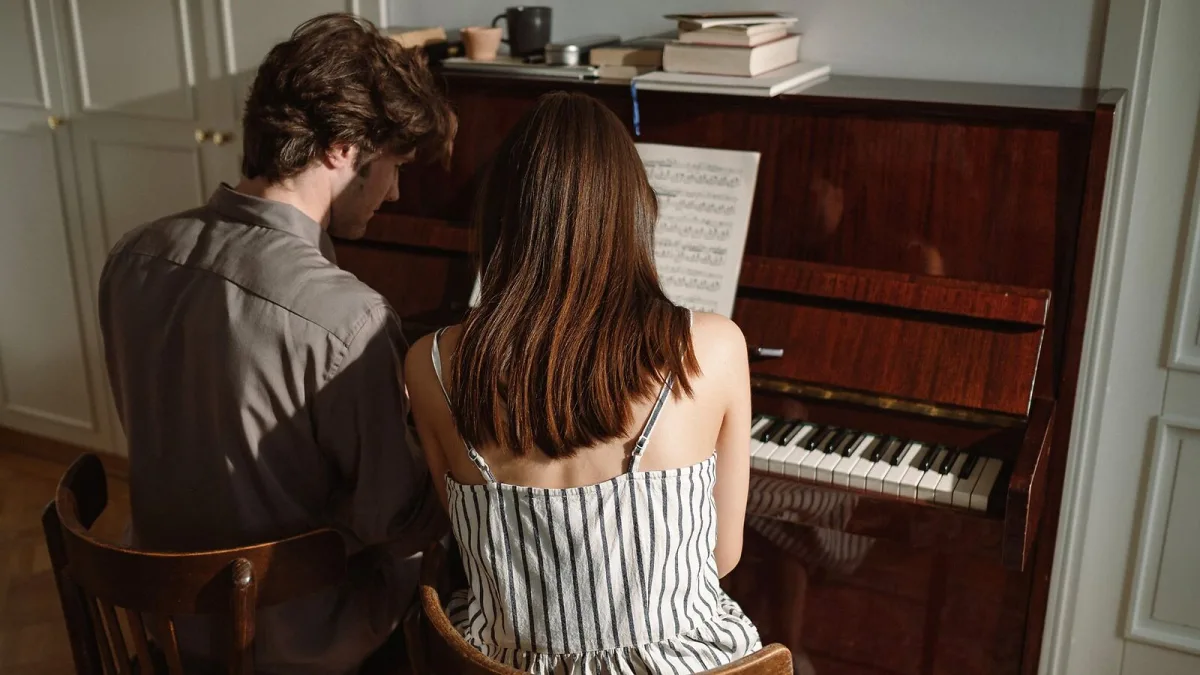
Most mistakes people make with a digital piano are entirely avoidable — and they tend to show up at predictable points. Whether you are just setting up your first instrument or have been playing for a year and feel oddly stuck, the errors below are worth knowing about. Each one is more common than it ought to be, and each one has a straightforward fix.
Buying on Price Alone and Skipping Weighted Keys
This is the most frequent mistake, and it causes more abandoned instruments than anything else. An unweighted or semi-weighted keyboard costs less, fits in smaller packaging and looks similar to a proper instrument in a product photo. But playing it feels nothing like a piano. Fingers learn bad habits; the muscle memory built on spring-loaded keys does not transfer to acoustic pianos or to better instruments later. The result is often an instrument that stops being used within six months.
The fix: insist on weighted keys — ideally graded hammer action. It is the single specification worth budgeting for, even if it means scaling back elsewhere.
Never Adjusting the Touch Sensitivity
Most digital piano models offer several touch sensitivity settings — typically Light, Medium, Hard and sometimes a Fixed option. Many buyers leave the factory setting untouched for years. If a player has a naturally heavy touch, the default Medium setting can make the instrument feel unresponsive. A lighter natural touch can cause the same problem in reverse. Five minutes spent finding the right sensitivity setting for your touch makes the instrument feel dramatically more natural.
The fix: check the manual, cycle through the sensitivity options while playing a few bars, and note which setting makes dynamics feel most intuitive.
Ignoring the Headphone Mode
Any digital piano sounds noticeably different through headphones than through its built-in speakers. Many manufacturers include a dedicated headphone mode or binaural mode — a processing setting that adds spatial realism when listening through headphones, compensating for the way they sit directly on the ears rather than projecting sound through the air. Playing in standard mode through headphones often produces a flat, slightly artificial-sounding result. Switching to the headphone mode can transform the experience.
The fix: check whether your instrument has a headphone EQ or binaural mode and enable it when using headphones. It is usually buried in the sound settings.
Using a Poor Bench at the Wrong Height
Seat height affects everything: wrist tension, finger reach, posture, and ultimately the risk of repetitive strain injury from prolonged playing. Too low, and the wrists droop below the keys; too high, and the arms become tense and elevated. Many bundled benches are not height-adjustable. Non-adjustable benches at the wrong height are the reason many players develop wrist aches within months of starting.
The fix: invest in an adjustable piano stool. They cost between £30 and £100 and make an immediate, tangible difference. Aim for a seat height where your forearms are roughly horizontal with the keys.
Practising Hands Together Too Soon
The temptation to play with both hands from the very first attempt at a new piece is almost universal among beginners — and almost universally counterproductive. Each hand is learning its own part; combining them before either part is solid simply doubles the uncertainty and produces a mess. The result is frustration, and often a piece that feels "unlearnable" when in fact it was simply approached in the wrong order.
The fix: right hand until solid, then left hand until solid, then combine — slowly, at a tempo where the combination is comfortable. Only increase speed once both hands together feel reliable.
Leaving the Sustain Pedal Off by Default
Some beginners avoid the sustain pedal because it feels complicated, or because adding a third physical thing to coordinate seems too much early on. The result is a playing style that sounds clipped and mechanical, because so much piano writing is composed with the sustain pedal assumed. Not using it also means missing the way the instrument actually sounds when played properly.
The fix: introduce the sustain pedal within the first few weeks, initially for simple held chords. Start with just one hand using it while the other plays, then integrate it naturally into two-handed playing as comfort grows.
Practising the Easy Parts Over and Over
A common — and deeply human — habit: running through the bits of a piece you can already play, because they feel good, while skipping quickly through the difficult passage. After weeks of this, the difficult bar remains difficult and the easy sections are, if anything, over-learned. The piece never quite comes together.
The fix: identify the hardest bar and make it your starting point each practice session. Isolate it, slow it down, play it ten times cleanly, then move outward. This approach is uncomfortable but fast — a genuinely difficult passage can often be cracked within a week of focused attention.
Never Recording Yourself
It is almost impossible to hear your own playing objectively while you are producing it. Timing issues, uneven dynamics, and slightly rushed passages that feel fine in the moment stand out immediately on a recording. Most digital piano models include a built-in recorder; if not, a phone placed on the music stand records more honestly than you might expect.
The fix: record a run-through of whatever you are working on once a week. Listen back critically and note two or three things to address. You will often hear things you had no idea were happening.
Avoiding these pitfalls puts you well ahead of the average self-taught player. For more on choosing the right instrument in the first place, our buyer's guide covers every specification that matters. If you are just starting out, the beginner's guide takes you through the first steps in a logical order. And for a clear explanation of how these instruments work, the digital piano explained article is the place to start.
The Bottom Line
Most of the mistakes on this list share a common thread: they come from not quite understanding what a digital piano needs, or from practising in a comfortable rather than useful way. Address them one at a time and the improvements tend to compound rapidly. The piano rewards methodical attention more than raw hours at the keys.




Comments