


Console Digital Piano article
Roland Console Digital Piano: A Complete Guide
Console digital pianos combine weighted, responsive keys with furniture-style design, offering serious pianists authentic touch for practice without the space demands and maintenance of acoustic pianos.

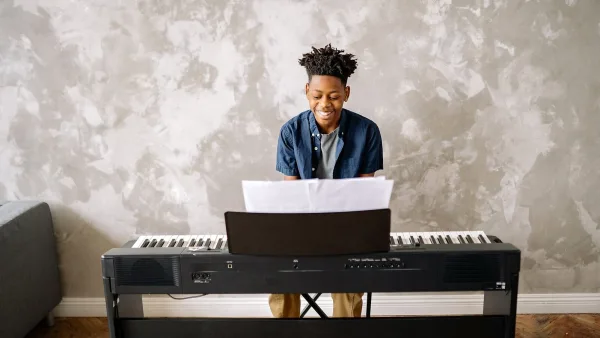
A console digital piano brings professional sound quality and weighted keys into a furniture-style package that fits naturally into any room. Whether you're setting up a home studio, rehearsal space, or performance environment, a console digital piano offers the tactile experience of an acoustic instrument with the versatility of modern technology.
Understanding Console Digital Pianos
A console digital piano differs from a stage piano or portable keyboard by offering a more substantial, furniture-like design. These instruments are built into a cabinet structure with legs, making them permanent fixtures in a space rather than portable equipment. The term "console" references the cabinet style, reminiscent of vintage furniture pieces.
Console digital pianos typically feature weighted, full-sized keys with hammer action that mimics the resistance of an acoustic piano. The cabinet design provides acoustic projection for the built-in speakers, creating a more immersive listening experience than compact alternatives. Many concert pianists prefer this setup for serious practice because the physical feedback from weighted keys develops proper technique.
Key Features of Console Digital Pianos
When evaluating a console digital piano, several specifications matter more than others. The weighted action is paramount; this technology uses actual hammers beneath the keys to create resistance that mirrors an acoustic piano's touch. Entry-level console digital pianos often use spring-based weighted action, whilst premium models employ individually weighted keys that respond differently across the range, just as acoustic pianos do.
Sound engine quality distinguishes high-end console digital pianos from budget alternatives. Premium instruments capture samples from world-class concert pianos, often from multiple dynamic levels to ensure authentic expression. A quality sound engine provides hundreds of high-fidelity piano voices plus additional instruments.
Connectivity options have become essential for modern console digital pianos. MIDI connectivity allows integration with recording software, notation programs, and other music technology. USB audio output lets you record performances directly to a computer. Some console digital pianos include built-in metronomes, recording functions, and practice modes with visual feedback.
Console Digital Piano vs. Acoustic Pianos
Choosing between an acoustic piano and a console digital piano requires considering several practical factors. A traditional acoustic piano demands professional tuning twice yearly, occupies substantial space, and can cost substantially more upfront. A console digital piano requires no tuning, takes up less space than a grand piano, and costs significantly less.
However, acoustic pianos offer an unmatched tactile experience and resale value. A console digital piano provides versatility—you can adjust touch response, play dozens of instruments, and use headphones for silent practice. Many serious pianists own both, using a console digital piano for daily practice and an acoustic piano for performance.
A console digital piano excels in apartments or smaller homes where acoustic pianos would overwhelm the space. The headphone capability means you can practise at any hour without disturbing neighbours or family members.
Popular Console Digital Piano Models
Several manufacturers dominate the console digital piano market. Roland produces the HP line, featuring responsive weighted actions and diverse sound libraries. Yamaha's P series includes console models with CFX and Bösendorfer piano samples. Kawai specializes in weighted action technology, using their VPC wooden key mechanism in premium console digital pianos. Casio offers budget-friendly console digital pianos that still deliver solid performance for learners.
Mid-range console digital pianos from these brands typically cost between £2,000 and £4,000, offering excellent value for serious hobbyists and music students. Premium console digital pianos exceed £5,000 and rival acoustic pianos in their sophistication and touch response.
Console Digital Piano Speakers and Sound Projection
The cabinet design of a console digital piano includes built-in speaker systems optimized for acoustic projection. This differs significantly from portable keyboards or stage pianos, which typically use smaller, tinnier speakers. A console digital piano cabinet acts as a resonance chamber, enhancing low frequencies and creating a richer, more natural sound.
Speaker power varies considerably. Entry-level console digital pianos might feature 16 watts of speaker output, whilst premium models offer 40 watts or more with multi-speaker configurations. Quality drivers matter as much as wattage; a console digital piano with well-engineered drivers sounds more authentic than raw power figures suggest.
Placement affects how a console digital piano sounds in your space. Positioning the instrument away from hard walls reduces excessive reflection. Corner placement can boost bass response, though excessive bass sometimes muddles clarity. Experimenting with placement helps you achieve the optimal sound in your specific room.
Touch Response and Practice Features
A modern console digital piano includes adjustable touch response settings, allowing you to customize key resistance. Some pianists prefer lighter, quicker touch for faster pieces, whilst others want substantial resistance that demands developed finger strength. This flexibility is one advantage a console digital piano offers over fixed acoustic pianos.
Recording capabilities in a console digital piano support practice and improvement. Many models include internal storage for recording performances, whilst others require external recorders via MIDI or USB. Metronome functions with adjustable tempos help develop rhythmic precision. Sheet music displays and tutorial modes in some console digital pianos support formal learning.
Conclusion
A console digital piano represents an intelligent investment for pianists seeking authentic touch with modern convenience. Whether you're a student developing technique, a hobbyist enjoying daily practice, or a serious musician requiring a reliable instrument, a console digital piano delivers exceptional value. The combination of weighted action, authentic piano voices, and furniture-style aesthetics makes a console digital piano an increasingly popular choice for serious musicians who want acoustic piano touch without acoustic piano limitations.



Comments