


Baby Grand Piano article
Baby Grand Piano for Beginners: A Complete Guide
It's normal to feel a little nervous with a new baby grand piano in the house. Here's a calm, step-by-step way to settle it in properly.
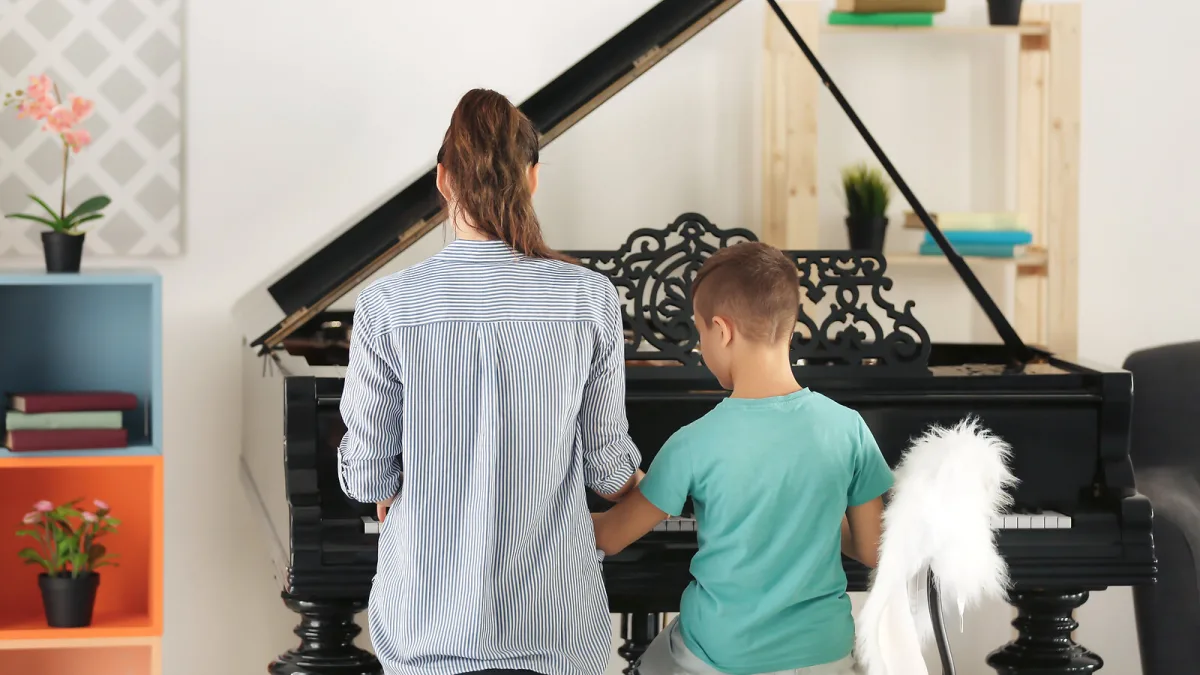
Bringing a baby grand piano into your home for the first time is a genuinely big moment, and it's completely normal to feel a bit nervous about it — will it fit, will it survive the move, will you damage it in the first week? Take a breath. We'll go through this calmly, one stage at a time.
Before It Even Arrives
A little preparation now saves a lot of stress later. Measure your doorways, hallway turns and any stairs the piano will need to pass through, and pick its final spot in the room before delivery day, not on the day itself. Choose somewhere away from radiators, exterior doors and windows that get strong, direct sun, since sudden changes in temperature and humidity are genuinely hard on the instrument's wooden soundboard and glued joints.
Settling Your Baby Grand Piano In, Step by Step
This is the part that catches most new owners out: a piano isn't ready to play its best the moment it's through the door. Here's the sensible order to do things in.
- Confirm the space with a professional mover beforehand. A baby grand weighs several hundred pounds; this is not a job for well-meaning friends and a hired van.
- Let it settle in its new room for two to four weeks before the first tuning. The instrument needs time to adjust to your home's temperature and humidity before tuning will actually hold.
- Book a qualified piano technician for that first tuning. A piano moved any distance, especially between different climates, will need it.
- Keep the room's conditions as stable as you reasonably can. Avoid extremes of heat, cold or damp near the instrument in those early weeks especially.
- Start playing straight away, gently. You don't need to wait for "perfect" tuning to begin enjoying it — regular use is good for both you and the piano.
- Book a second tuning a few months in. New or newly moved pianos often need a follow-up sooner than the usual schedule, as the instrument continues to settle.
None of this is complicated. It's mostly patience, and knowing that "it sounds a bit off in week one" is normal, not a sign anything has gone wrong.
Getting to Know the Instrument
A baby grand piano feels different under the hands than an upright, and that's worth knowing before you sit down expecting the same response. The action lies on its side rather than standing upright, letting gravity help reset each hammer, which typically gives you quicker repetition and finer control at very quiet volumes. Don't worry if scales feel slightly different at first — most players notice the improvement within a few sessions, not instantly.
You'll also meet three pedals rather than the single sustain pedal some beginners are used to: the familiar damper pedal on the right, a sostenuto pedal in the middle that sustains only selected notes, and an una corda pedal on the left that softens the tone. There's no need to master all three at once — the right-hand pedal will do almost everything you need for a good while yet.
A Gentle Daily Routine
- Little and often beats occasional marathons. Fifteen to twenty focused minutes most days will take you further than one long session a week.
- Keep the lid position consistent while you're learning. A fully open lid changes the sound and feel considerably; a closed or half-open lid is often kinder for early practice.
- Don't chase perfect tone yet. Voicing (a technician's adjustment of the hammer felt) and your own developing touch both shape tone over time — it isn't something to fix in week one.
When to Call a Technician
Trust your ears more than any fixed calendar. If notes feel uneven, if the pedals behave strangely, or if the tuning seems to be slipping unusually fast, that's a reason to call a technician rather than wait for the next scheduled visit. It's a normal, healthy part of owning an acoustic instrument — not a sign you've done anything wrong. If you'd like the fuller technical picture of how everything fits together, our complete guide to baby grand pianos is a gentle next step, and our list of common mistakes to avoid is worth a read once you're feeling more settled.
You've Got Plenty of Time
There is no prize for rushing any of this. Let the instrument settle, let your hands adjust, and let your ear develop gradually. If you're still deciding on the right instrument rather than settling one already delivered, our buyer's guide and our breakdown of the best options by budget are both worth reading first. Otherwise, welcome to piano ownership — you're going to enjoy this.





Comments