


Baby Grand Piano roundup
Baby Grand Piano: A Complete Buyer's Guide
A calm, practical buyer's guide: new versus used, what genuinely drives the price, and what to check before anyone signs anything.
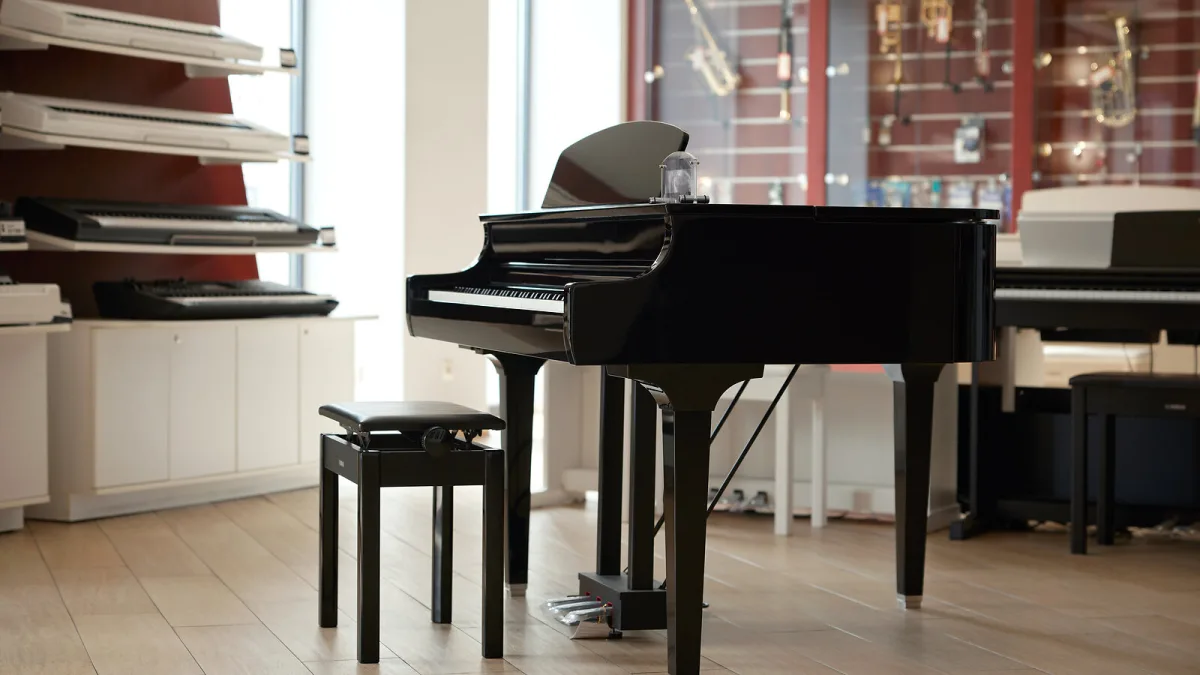
Buying a baby grand piano is a proper decision — it's a big piece of furniture, a serious investment, and something you'll hopefully be living with for decades. Let's go through it calmly: new or used, what genuinely affects the price, and what to check before anyone signs anything.
New or Used?
Buying New
A new instrument comes with a fresh warranty, no unknown history, and factory-fresh regulation and voicing. You're paying for that certainty, and for choice of finish and cabinet style. When you're trying pianos in a showroom, play scales, repeated notes, soft chords and loud octaves — not just a single showpiece passage — so you hear how it behaves across the whole dynamic range, not just at its best moment.
Buying Used
A used piano can represent excellent value, but only if you know what you're actually getting. Always arrange an inspection from an independent piano technician — someone with no connection to the seller — who can check for soundboard cracks or loss of crown, bridge cracks, pinblock condition (the block that holds the tuning pins firmly in place), string rust, action wear, and any history of water or heat damage. A low asking price can turn expensive fast if the piano actually needs restringing or a rebuilt action.
What Actually Affects the Price
Dealer guides commonly quote a very wide range — roughly $8,000 at the entry level up to $100,000 or more for a prestige name, with a lot of instruments clustered between $8,000 and $20,000 — and that spread comes down to a handful of real factors rather than the "baby grand" label itself. UK pricing will differ from these US dealer figures, so treat them as a rough shape rather than a quote, and check current pricing with a local dealer:
- Brand and model. Prestige names carry a premium that goes beyond materials alone.
- Age and condition. A well-kept 20-year-old instrument can beat a neglected newer one.
- Rebuild or restoration history. A professionally rebuilt piano can be excellent value, but ask exactly what was done and by whom.
- Finish and cabinet style. A satin ebony case typically costs less than a high-gloss or exotic-veneer finish.
- Where you buy it. Dealer, auction and private-sale prices can differ substantially for a similar instrument.
Treat any figure — ours included — as a starting point for research rather than a fixed price list, since costs vary by country and market conditions. For a value-focused look at which makers suit which budgets, see our round-up of the best baby grand pianos for the money.
Room and Delivery Planning
Before you fall in love with a specific instrument, measure your space. You'll need room for the case itself, the open lid, the pianist's bench, and clearance to walk around the tail comfortably. Check doorway widths, hallway turns and stair dimensions too — a baby grand piano weighs several hundred pounds, and professional piano movers should always handle delivery. Once it's in place, avoid positioning it beside a radiator, exterior door or a consistently sunny window, since humidity swings are hard on the soundboard, glue joints and tuning stability.
Questions Worth Asking Before You Buy
- Has it been serviced recently, and by whom? Ask for a service history where one exists.
- What's included in the price? Delivery, first tuning and a warranty period aren't always automatic.
- Can I get it independently inspected first? A reputable dealer or private seller shouldn't object.
- What's the return or trial policy? Some dealers allow a trial period; ask before you commit.
If you're buying your very first one and feeling a little out of your depth, our beginner's guide to owning your first one walks through settling it into your home afterwards.
The Verdict
There's no shortcut to buying well here: measure your room properly, get an independent opinion on anything used, and judge an instrument across its full dynamic range rather than one favourite passage. Get those basics right and a baby grand piano will happily outlast the mortgage on the house it sits in. For the fuller picture of how these instruments actually work, our complete guide to baby grands is worth reading first, and our list of common mistakes to avoid is worth reading right after.




Comments