


Tuning a Fiddle article
Tuning a Fiddle for Beginners: A Complete Guide
Worried one wrong turn will snap a string? Here's a safe, unhurried, step-by-step way through your first few fiddle tuning sessions.
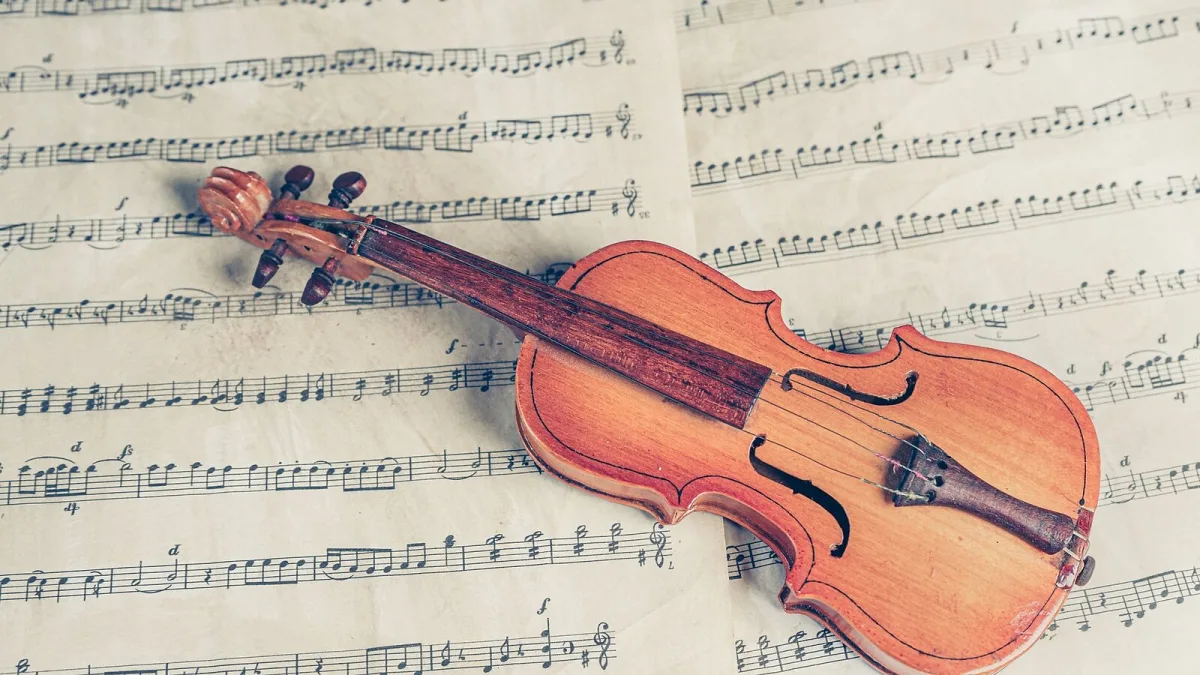
There's a particular nervousness that comes with tuning a fiddle for the first few times, that small wooden instrument suddenly feeling very fragile in your hands — that quiet worry that one wrong turn of a peg will end in a snapped string. Take a breath. Go slowly, and it really is a gentle process. Here's a safe, unhurried way through it.
Get comfortable with your fiddle before you start
Sit or stand somewhere steady, and hold the fiddle securely without gripping the neck too tightly or pressing on the bridge — that little wooden bridge is more delicate than it looks, and it can shift or tilt if it's knocked about while you're focused on the pegs.
Your first fiddle tuning session, step by step
- Find a reference pitch for A. A clip-on tuner is the easiest option for a beginner, though a tuning fork, pitch pipe or phone app all work fine too.
- Tune the A string first. If it's a long way off, use the peg, turning slowly and pressing it gently inward as you go so it stays seated. If it's close, use the fine tuner instead.
- Tune slightly below the note, then come up to it. If the string is sharp, loosen it a little past the target first, then tighten gradually until it settles in tune. This gives a far more stable result than tuning down onto a note.
- Move to the D string next. Compare it against your now-tuned A, listening for that smooth, locked-together sound rather than a wobble.
- Tune the G string against the D, using the same slightly-flat-then-up approach.
- Tune the E string against the A, since they sit two strings apart but share that same fifth relationship through D.
- Recheck all four strings. Tightening one string very slightly changes the tension on the whole instrument, so the others may have drifted a touch. This is completely normal — just work back through them gently.
That's genuinely the whole process for tuning a fiddle. It gets faster with practice, but the order doesn't change.
What an in-tune fiddle actually sounds like
When two neighbouring strings are properly matched, playing them together produces a smooth, settled sound. When they're off, even slightly, you'll hear a kind of pulsing or wavering — that's called beating, and it's your ear's best friend here. As it slows down and disappears, you're getting closer to correct. You don't need perfect pitch to hear this; it's a skill that builds with a few weeks of regular listening.
Staying safe with your fiddle pegs
Pegs are friction-fitted, which means they can occasionally stick or slip. A few gentle habits keep things safe:
- Turn in small movements, never a big confident twist.
- Press the peg in gently as you turn, rather than pulling it outward.
- If a peg feels properly stuck, stop and ask a teacher or luthier rather than forcing it.
- Never crank a string dramatically tight in one go — that's how strings snap.
If the fiddle pegs feel genuinely frustrating no matter how gently you approach them, that's a setup issue worth mentioning to a luthier, not a sign you're doing it wrong. Our buyer's guide covers tools like geared pegs and fine tuners that can make this whole process considerably easier.
A gentle first-month fiddle tuning plan
| Week | Focus |
|---|---|
| 1 | Tuning with a clip-on tuner, working slowly through all four strings |
| 2 | Trying to hear the A and D strings settle together before checking the tuner |
| 3 | Doing the same by ear for D-G and A-E |
| 4 | Tuning fully by ear, using the tuner only to double-check the A string |
The bottom line for fiddle beginners
Slow, small adjustments, tuning up into the note rather than down onto it, and a bit of patience with your own ear — that's genuinely most of what tuning one well comes down to. It will feel fiddly at first, quite literally, and then one day it won't. If you want to understand the deeper why behind all of this, our full explainer is worth reading next, and it's worth a look at the common mistakes beginners make so you can sidestep a few of them early.





Comments