


Tuning a Fiddle roundup
Tuning a Fiddle: A Complete Buyer's Guide
You don't need much to tune a fiddle properly, but the little you do need matters. Here's what's actually worth spending on.
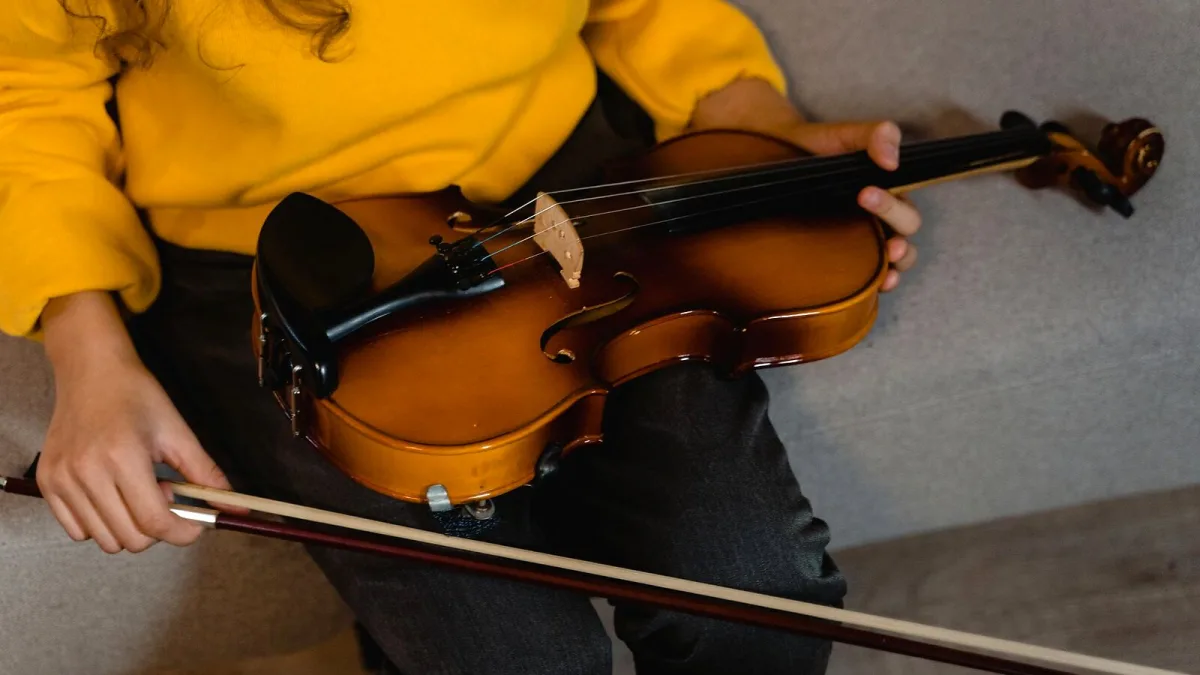
You don't need much to tune a fiddle properly, and every fiddler eventually settles on a routine, but the little you do need matters, especially when you're new to it and every string still feels one wrong turn from disaster. Here's what's actually worth spending on, and what you can happily leave on the shelf.
A reference pitch: the fiddle tuning starting point for everything
Before you touch a peg or a fine tuner, you need something steady to tune against. Three honest options:
- A clip-on chromatic tuner — reads pitch through vibration rather than sound, so it works even in a noisy session. The single most practical purchase for a beginner.
- A tuning fork — traditional, no batteries, gives you a pure A to match by ear. A lovely thing to own, if a little slower to use.
- A pitch pipe or phone app — cheap, portable, perfectly serviceable, though a dedicated tuner is generally more reliable in a loud room.
Whichever you choose, remember it's there to get you started, not to replace listening. Our explainer goes into why tuning by ear still matters even with a good tuner in hand.
Fiddle pegs: friction or geared?
Most fiddles come with traditional friction pegs — wooden pegs held in place by the friction of the peg fitting snugly in its hole. They work well when properly fitted, but can slip, stick or feel stiff and unpredictable, especially on an older or poorly maintained instrument.
Geared or planetary pegs, such as Wittner Fine-Tune pegs, use internal gearing to give far finer, more controllable adjustment with a turn that feels more like a guitar tuning machine than a traditional peg. They're a genuinely useful upgrade for players who find friction pegs frustrating, though they need correct installation to work well, and they're not something every player considers essential.
Fiddle fine tuners: one, or all four?
| Setup | What it suits |
|---|---|
| Fine tuner on E string only | The traditional, lightest setup — fine for gut or synthetic-core strings that need less frequent small correction |
| Fine tuners on all four strings | Convenient for beginners and steel-string players who need frequent small adjustments, at the cost of a little added weight on the tailpiece |
If you're finding pegs genuinely difficult to manage while you're still learning, four fine tuners (or an integrated fine-tuner tailpiece) can make daily tuning considerably less stressful. It's a setup change worth discussing with a teacher or luthier rather than guessing at.
Fiddle strings, and why they affect tuning stability
The strings themselves change how much tuning fuss you'll deal with. Steel strings respond quickly to fine tuners and are popular for that reason, especially in fiddle traditions. Synthetic-core and gut strings can offer a different tone and feel but may need a touch more patience while they settle, especially when new. There's no universally "correct" choice — it depends on your instrument, your setup and the sound you're after, and it's worth asking a luthier what suits your particular fiddle rather than assuming one string type fits everyone.
What you genuinely don't need to buy
- Expensive tuning apps when a basic clip-on tuner or free app does the job perfectly well.
- Geared pegs on day one — plenty of players tune happily on friction pegs for years.
- Peg compound as a first response to a sticky peg — a proper fitting from a luthier solves the actual problem rather than masking it.
If you're just getting started and want the safest, simplest routine before worrying about upgrades, our beginner's guide is the better place to begin.
When it's time to see a luthier instead of buying something
A peg that's genuinely seized, slipping constantly or unusually stiff isn't a shopping problem — it's a fitting problem, and it needs a professional's hands rather than a new gadget. The same goes for a bridge that's tilting or a tailpiece that's clearly straining. Buying your way around a setup issue rarely ends well; a proper fitting usually costs less than you'd expect and solves the actual cause.
The bottom line on kitting out your fiddle
Start with a reliable tuner and get comfortable using your existing pegs and fine tuners before spending on upgrades. Geared pegs, extra fine tuners and different string types are all genuinely worthwhile for the right player, but none of them replace the ear training and patience that make tuning feel natural. And it's worth reading through the common mistakes people make so a new bit of kit doesn't just mask an old habit.





Comments