


Electric Cello roundup
The Best Electric Cellos for the Money
Yamaha and NS Design dominate the professional electric cello market, and choosing between them is largely a matter of use case. This round-up maps the field by what each instrument does best.
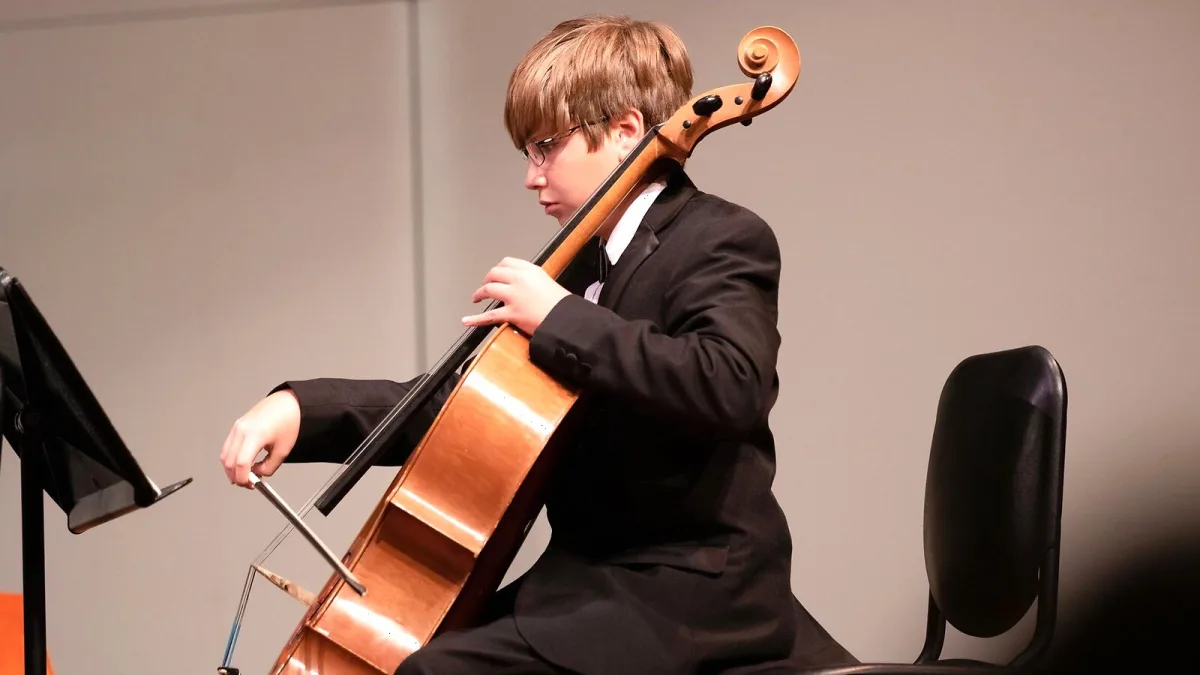
The electric cello market is not enormous, but it is well defined. Two manufacturers — Yamaha and NS Design — account for the great majority of professional and semi-professional instruments, and their approaches are sufficiently different that choosing between them is less a matter of preference than of use case. This round-up arranges the field by what each instrument actually does best, so you can place yourself in the right tier before looking at price.
Best for Silent Practice: Yamaha SVC-110
If the primary requirement is quiet home practice — the kind that allows a player in a flat or terraced house to work on intonation and bowing at midnight without complaint — the Yamaha SVC-110 remains the standard reference. Its skeletal frame retains proportions close to a full-size acoustic instrument, which helps maintain left-hand position and bowing angles without compromise. The built-in headphone and line outputs mean the setup is self-contained from the moment you unbox it.
The SVC-110 has been used in professional performance contexts as well — the Croatian duo 2CELLOS worked with Yamaha instruments in the years that brought amplified cello playing to a wider mainstream audience. That endorsement is worth noting for what it suggests about the instrument's live capability, not only its practice credentials.
The SVC series represents the best electric cello for players who prioritise familiarity: technique, playing position and physical scale remain close to what an acoustic student or professional expects.
Best Compact Stage Instrument: NS Design NXTa
For a player who tours regularly or moves between venues, the NS Design NXTa makes a persuasive case. It weighs approximately 1.9 kg in its five-string configuration — meaningfully lighter than either the NS Design CR or most Yamaha SVC models — and the compact, skeletal design is built to withstand the rigours of frequent travel.
The NXTa's active electronics provide a buffered, consistent output that works reliably with long cables and effects pedals. It is available in both four- and five-string formats, and the Polar pickup system allows the player to optimise the signal for bowing or pizzicato separately. For a working musician who needs a dependable, lightweight electric cello that costs somewhat less than the flagship CR, the NXTa is the sensible answer.
Best Professional Instrument: NS Design CR
At the top of the NS Design range, the CR series is the most fully specified production electric cello available from either major manufacturer. The solid maple body measures approximately 94 cm in length with a 69.5 cm scale, and five-string versions weigh around 2.5 kg. Active electronics on CR configurations include the most comprehensive on-board controls in the range, and the Polar system's bowing and pizzicato modes provide real flexibility in performance.
Players working in demanding live or studio contexts — recording sessions, high-volume stage settings, multi-genre performance work — will find the CR's tonal control and construction quality justify the premium. It is a professional tool for professional contexts, and the investment makes sense if the use case supports it.
Best for Extended Range: Five-String Models
Both Yamaha and NS Design offer five-string variants of their main models, adding a low F string below the standard C. This extended range suits solo players working with contemporary or crossover repertoire that calls for bass-register playing without switching instruments.
The NS Design WAVc five-string (approximately 2.1 kg) and NXTa five-string (approximately 1.9 kg) offer the most accessible routes into extended-range playing. The NS Design CR five-string is the fully professional option. String spacing on five-string instruments is marginally narrower than on four-string models, which requires a period of adjustment but is not a lasting obstacle for most players.
For a player whose repertoire regularly calls for low-register writing, the best electric cello for the money in this category is the NXTa five-string — a well-built, active instrument at a price point between the entry-level WAVc and the premium CR.
Best Entry Point: NS Design WAVc
For a player new to the electric cello who wants a well-built instrument from a reputable maker without the investment required for the NXTa or CR, the NS Design WAVc represents the most defensible entry point in the established part of the market. Passive electronics keep the design simple and the price lower, and the Polar pickup gives better tonal flexibility than many instruments at this level.
The WAVc's limitation is the absence of a built-in headphone output. Players who need to practise silently will require an external headphone amplifier or a small mixer — an added cost and complication worth budgeting for. If silent practice is a firm requirement at the entry level, the Yamaha SVC-110 is the better starting point despite the higher price.
Price Tiers at a Glance
| Tier | Instrument | Best Suited To |
|---|---|---|
| Entry | NS Design WAVc | First electric instrument; live or studio without headphone practice |
| Mid | Yamaha SVC-110 | Silent practice; acoustic-proportion familiarity |
| Mid–Pro | NS Design NXTa | Touring; active electronics; lighter weight |
| Professional | NS Design CR | Studio and stage; maximum tonal control |
Online guides suggest the market spans roughly $1,000 to $4,000 for instruments from established manufacturers. Prices vary by country and dealer; always confirm current figures directly with Yamaha, NS Design or an authorised retailer. Budget separately for amplification, a case, cables and — for passive instruments — a preamp or DI box.
What the Budget Alternatives Offer
A number of lesser-known brands offer instruments at significantly lower price points than Yamaha or NS Design. These can provide an affordable way to explore the format, but their electronics reliability, intonation, setup quality and long-term service support have not been independently verified to the same standard as the established makers. If budget is a firm constraint, these instruments are worth investigating — but buy from a retailer with a clear return policy and manage expectations accordingly.
Making the Right Choice
The best electric cello is not the most expensive one available — it is the one that matches your specific use case, practice requirements and budget. For most players, that conversation starts with two questions: do you need silent headphone practice, and how much will you travel with the instrument? The answers will point you toward either the Yamaha SVC series or the NS Design range, and from there the tier decision follows naturally.
For more guidance, see our complete buyer's guide, our overview of how electric cellos work, and our guide for beginners.





Comments