


Cello roundup
Cello: A Complete Buyer's Guide
Buying a cello means matching budget, size, and quality to where you are as a player. This guide covers every decision, from entry-level outfits to intermediate instruments, bows, strings, and setup.
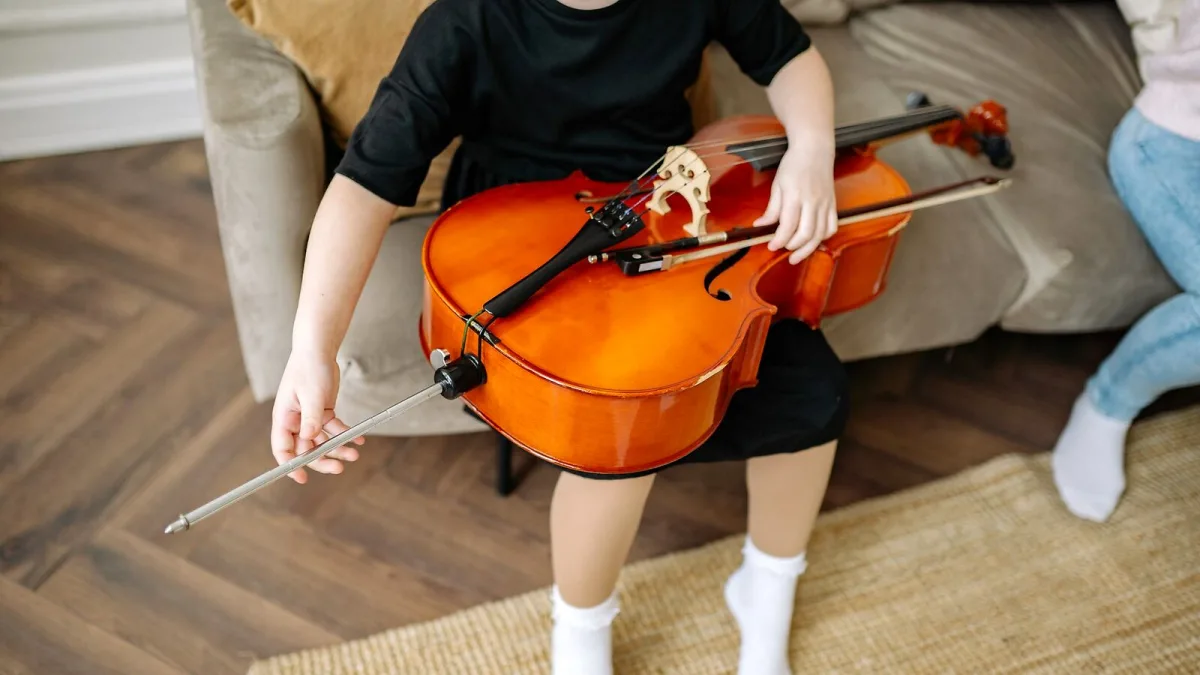
Choosing a cello is a decision that sits at the intersection of budget, physical requirements, and where you are as a player. The instrument spans an enormous price range, from a few hundred pounds for a beginner outfit to tens of thousands for a professional-level instrument made by a named maker. Knowing what matters at each stage and what you can afford to ignore makes the decision considerably clearer.
New vs Second-Hand Cello
New cello instruments in the lower price brackets often come as outfits — instrument, bow, and case bundled together. These are convenient and offer a reliable starting point. Second-hand instruments can represent better value at every price tier, but require more careful assessment: the soundpost may have moved, seams may have opened, and strings will need replacing. Unless you have someone experienced to help assess a used instrument, a reputable dealer's new outfit is the safer choice for a first purchase.
What to Spend
There are three broad price tiers:
- Entry level (£200–£600): Student outfits suitable for beginners. Brands like Stentor, Antoni, and Primavera in the UK. The instruments in this bracket are functional rather than inspiring, but adequate for learning technique.
- Intermediate (£600–£2,000): A significant improvement in tone, playability, and construction. Instruments from Gliga, Eastman, and Scott Cao sit here. Many adult players spend their entire playing career in this range. The quality-to-price ratio in this tier is often the best.
- Advanced (£2,000+): Instruments from European workshops and named makers. The difference in tone quality and playability is real and meaningful for serious students and professionals, but irrelevant until technique is sufficiently developed to notice it.
Sizing
Adult players need a full-size 4/4 cello. If buying for a child, sizing must be assessed by a teacher against arm length — the wrong cello size causes tension and ingrained technique problems. A properly sized fractional instrument (3/4, 1/2, 1/4) for a child is always the right choice over a full-size that's too large.
Cello Setup
A cello's setup — the action, nut, bridge height, and soundpost position — has a dramatic effect on playability and tone. Even a good instrument plays poorly with a bad setup. When buying from a reputable dealer, a basic setup is usually included. When buying second-hand or from a general instrument retailer, have a luthier check and adjust the setup before sustained practice begins.
The Bow
Entry cello outfits typically include a brazilwood bow — serviceable but limited. If your budget allows, a separate carbon fibre bow is worth considering from the intermediate level upward. Carbon fibre bows are consistent, durable, and unaffected by humidity — qualities that make them practical in the UK's variable climate. Pernambuco bows are the traditional choice for advanced players but are significantly more expensive.
Strings
Student outfits come strung with basic steel-core strings. Replacing them with a quality set — Dominant, D'Addario Helicore, or Larsen — is one of the most impactful improvements you can make to a student cello. The improvement in tone and playability is significant. Budget £30–£80 for a set and have a luthier fit them if you're unfamiliar with the process.
Where to Go Next
For the best options at each price point, the best cellos for the money covers the standout instruments at each tier. For an overview of how the instrument works, the features and types guide covers the essentials. New to playing? The beginner's guide is the right starting point.






Comments