


Cello Bow article
Common Cello Bow Mistakes to Avoid
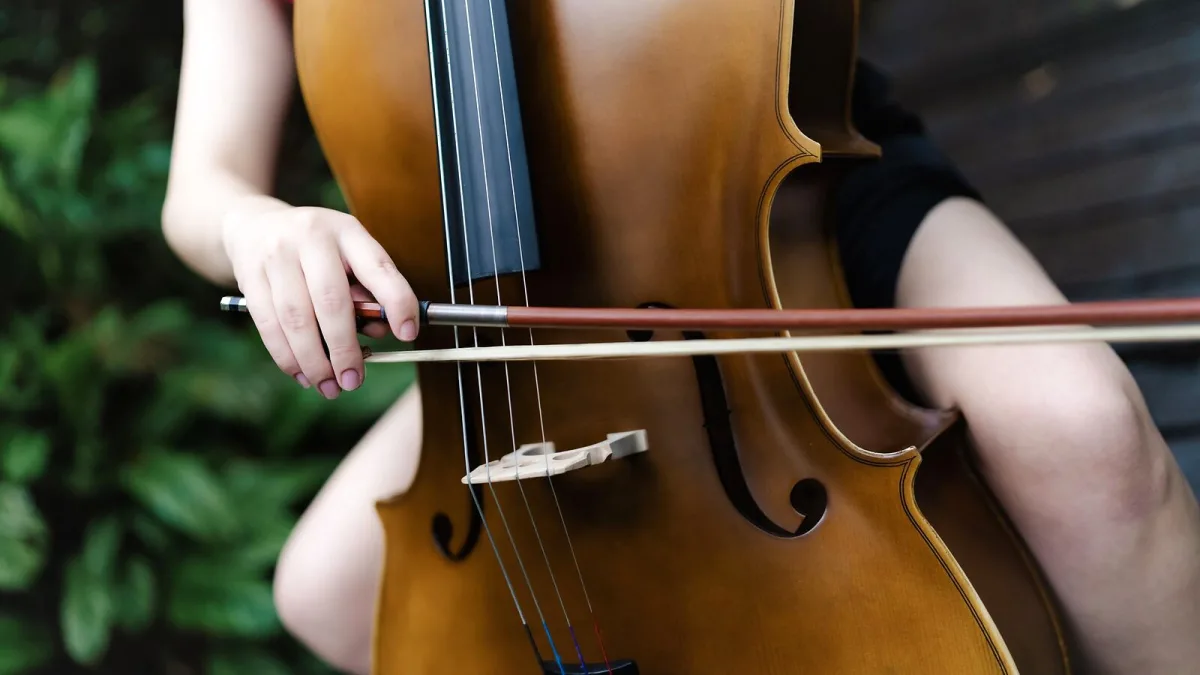
Several common errors reduce the effectiveness of a cello bow and, in some cases, cause long-term damage to the bow or affect tone development. The following mistakes appear frequently in students and returning adult players, and each is straightforward to correct once identified.
Overtightening the Hair
The most common error is tightening the bow hair until the stick straightens completely or even reverses its camber. Correct tension allows a pencil's width of space between the hair and the stick at the middle of the bow when pressed gently. Overtightening a cello bow flattens the natural camber, reduces the stick's responsiveness and eventually distorts the bow's playing qualities permanently. The screw should be loosened after every session so the stick is not held under tension when stored.
Poor Bow Hold
Gripping the bow too tightly, placing the thumb behind rather than under the stick, or resting the little finger flat rather than curved on the upper side of the stick are all common hold problems. A tight grip reduces the ability to vary bow pressure, limits off-string strokes and increases fatigue. The little finger acts as a counterweight and as a control point for tip strokes — a collapsed or absent little finger position reduces control at the upper half of the cello bow. Early correction from a teacher is significantly easier than reversing a grip habit formed over years.
Neglecting Rosin Application
New hair, or hair that has been used extensively without rerosining, loses its ability to grip the string and produces a thin, airy tone. The correct approach is to rosin the bow before playing when needed — typically every two or three sessions for regular players — applying short strokes across the full length of the hair. Applying too much rosin leaves white powder on the instrument's top and strings and produces a scratchy, harsh tone. The amount needed varies with climate: drier environments require more frequent application.
Using the Wrong Bow Speed and Contact Point
Drawing the bow too slowly under heavy pressure produces a choked, harsh tone; too fast with too little weight produces a thin or whistling sound. The cello bow contact point — the point between the fingerboard and the bridge where the hair meets the string — should remain consistent for most playing and shift closer to the bridge for louder, more projecting sounds. Beginning players often drift toward the fingerboard without noticing, which reduces tone projection. The beginner's guide covers bow technique fundamentals, and the overview explains how the bow's components affect tone.





Comments