


Cello Bow roundup
Cello Bow: A Complete Buyer's Guide
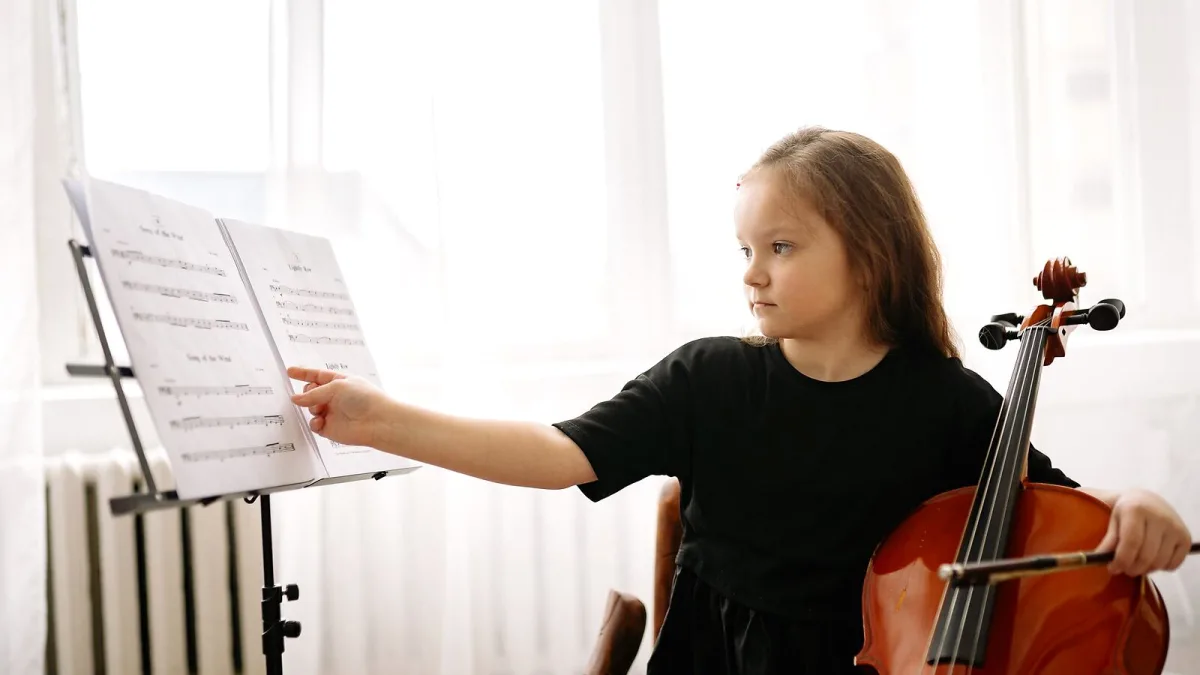
Buying a cello bow requires balancing several factors: material, weight, camber, responsiveness and price. The market spans a wide range, from student brazilwood bows under £100 to professional pernambuco bows at several thousand pounds, and the differences in how bows play are often more significant than differences between similarly priced cellos. This guide covers the main considerations and price points to help you focus your search effectively.
Material: Wood or Carbon Fibre
The first decision for most buyers is whether to consider a wooden bow — made from brazilwood or pernambuco — or a carbon fibre bow. Brazilwood bows represent the entry level: they are affordable, widely available and adequate for beginners learning bow technique. Pernambuco remains the material of choice for intermediate and professional players because its natural properties produce a more responsive, nuanced playing experience. Carbon fibre cello bows, produced by makers including CodaBow, Arcus and Carbon-Fibre Workshops, offer consistent quality and are resistant to humidity and temperature changes that can affect wooden bows. At the £200–£600 range, carbon fibre often outperforms brazilwood and competes credibly with lower-end pernambuco.
What to Try Before Buying
The single most important step in choosing a cello bow is playing it in person. Request a trial from a reputable dealer — most specialist string shops and online dealers such as Strings By Mail or J&A Beare will provide a home trial period. When testing, play across the full length of the bow in both sustained and off-string strokes, listen for evenness of tone, and notice whether the stick springs off the string naturally or requires effort. A well-balanced bow will feel lighter than its weight suggests; an unbalanced one will feel heavy at the tip or stiff in the lower half.
Price Brackets and What to Expect
Under £100: student brazilwood bows, functional but limited in responsiveness. £100–£300: better brazilwood and entry carbon fibre; a meaningful upgrade for intermediate players. £300–£800: good carbon fibre and workshop pernambuco bows; suitable for grade 5–8 level and above. £800–£2,500: workshop and atelier pernambuco bows with genuine maker identity and significant performance differences. Above £2,500: fine workshop and individual maker bows, where value is tied to the maker's reputation and the bow's specific playing qualities. For common errors that new buyers make when selecting a cello bow, the mistakes guide is worth reading before purchase.






Comments