


Cello Bow article
Cello Bow for Beginners: A Complete Guide
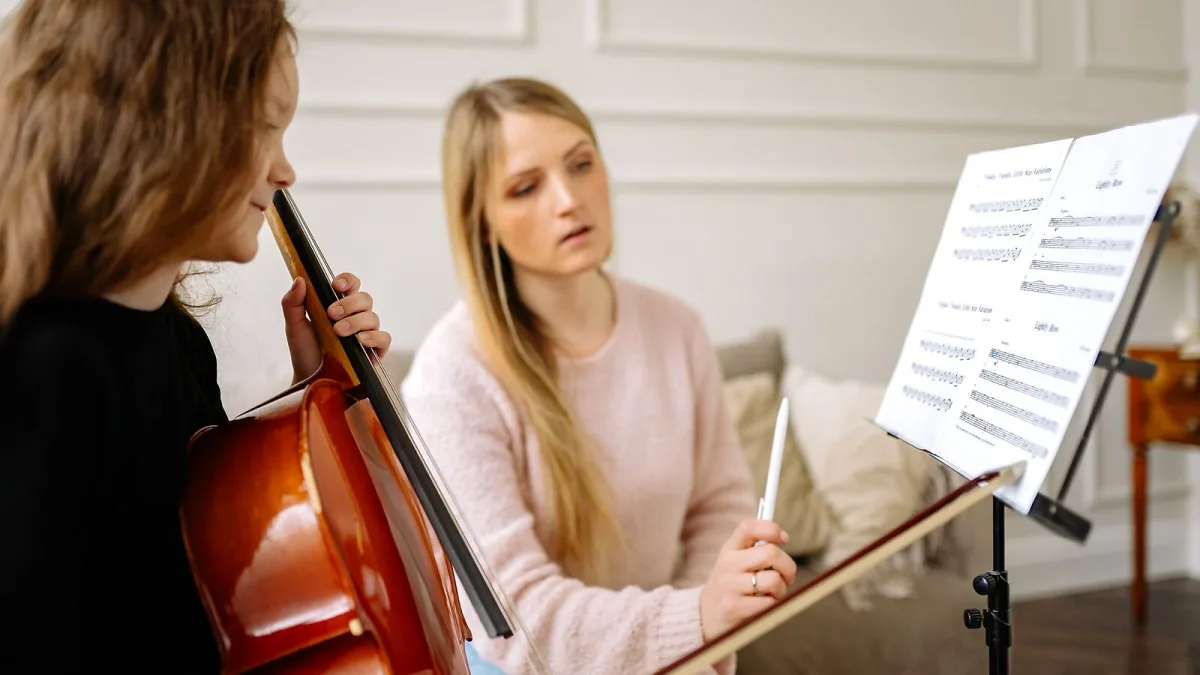
Learning to use a cello bow correctly is one of the central challenges of learning the cello. The bow produces the sound — it is not incidental to technique but its core. The bow is responsible for tone production: how the hair contacts the string, how much weight is applied, where the bow meets the string and how fast it travels all determine the quality and character of the sound. This guide covers the foundational bow technique concepts that beginners need to understand and develop, alongside a step-by-step introduction to correct setup and basic strokes.
The Bow Hold
The French-style bow hold used in most classical cello teaching places the thumb curved on the underside of the stick, directly opposite or just below the middle finger. The index finger makes contact on its upper surface, roughly at the first joint. The little finger rests curved on the upper side of the stick and acts as a counterweight and control point for tip strokes. The bow should sit across the fingers rather than being gripped in the palm — a palm grip makes tone control and off-string strokes significantly harder. Your teacher will guide you to the specific hold suited to your hand shape; the description above is the standard starting point for most students.
Contact Point and Bow Speed
The contact point is the place on the string — between the fingerboard and the bridge — where the cello bow hair makes contact. Playing closer to the bridge (sul ponticello) produces a brighter, more penetrating tone; playing closer to the fingerboard (sul tasto) produces a softer, more diffuse sound. For most standard playing, the contact point sits roughly midway, and maintaining a consistent contact point is one of the fundamentals that beginners are asked to develop first. Bow speed and arm weight applied to the stick interact to produce volume: more speed with less weight for softer sounds, more weight with controlled speed for louder, more sustained tones.
Caring for Your Bow
A cello bow requires straightforward maintenance. Loosen the hair after every practice session so the stick is not held under tension while stored. Rosin the hair before playing when needed — approximately every two or three sessions for daily players. Wipe rosin dust from the stick and the instrument's top after playing. The cello bow hair should be rehaired by a professional luthier when it becomes thin, unevenly spaced or no longer holds rosin effectively — typically once a year for regular players. Avoid touching the hair with your fingers, as skin oil prevents the rosin from adhering.





Comments