


Rekordbox article
Rekordbox for Beginners: A Complete Guide
A reassuring, step-by-step first session with rekordbox for total beginners — no club hardware required, just a laptop and some music you love.
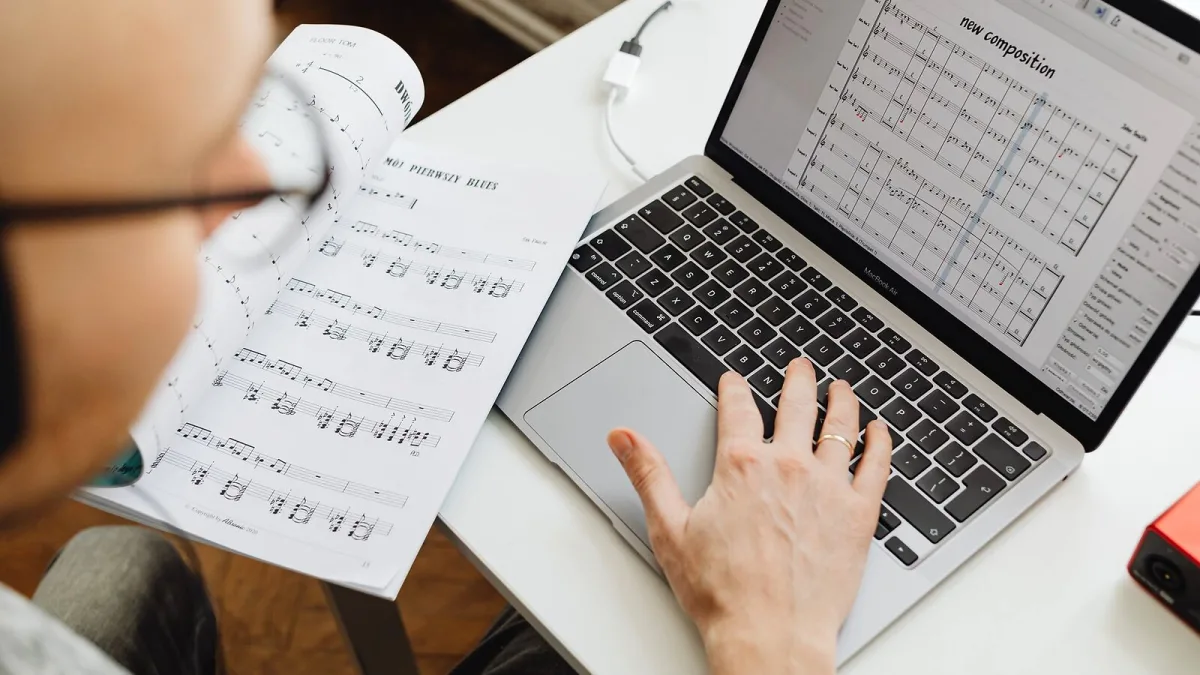
If the word rekordbox has been floating around your DJ friends' conversations and it all sounds a bit technical, take a breath — you really don't need a club full of equipment to get started. This guide walks you gently through your very first session, one small step at a time, so you finish it having actually done something rather than just read about it.
You Don't Need a CDJ to Begin
A lot of beginners assume rekordbox only makes sense once you own club hardware like a CDJ (Pioneer's tabletop media player) or a DJ controller. That's simply not true. The Free plan runs happily on an ordinary laptop, and everything in this guide — importing music, analysing it, building a playlist — can be done with nothing more than headphones. The hardware can come later, once you know you enjoy it.
What You'll Need Before You Begin
- A laptop or desktop computer that meets rekordbox's current system requirements.
- Some music files you already own or have rights to use.
- A pair of headphones.
- A free rekordbox account (no card details needed for the Free plan).
- Optional, for later: a USB drive, if you eventually want to try compatible club hardware.
That's genuinely it. No pressure to buy anything before you know whether this is for you.
Your First Steps in Rekordbox
Here's the exact path I'd talk a nervous first-timer through, in order:
- Download and install rekordbox from the official AlphaTheta site, then create your free account and sign in.
- Import your music into your collection — drag in a folder of tracks you already know and like.
- Let it analyse your tracks. Rekordbox will work out the BPM, beat grid and musical key for each one automatically; this takes a minute or two, so let it finish.
- Put your headphones on and place one Hot Cue on your favourite track, at a moment you'd want to jump straight back to — the drop, or where the vocal comes in.
- Build a simple playlist of five or six tracks that work well together, just to practise organising rather than performing.
- When you feel ready, export that playlist to a USB drive, if you have access to compatible club hardware to try it on.
That's a complete first session. You don't need to rush any further than step five for quite a while, and that's absolutely fine.
Common Beginner Worries, Answered Honestly
“The beat grid looks wrong”
This happens to everyone, not just you. Rekordbox's automatic analysis is generally good, but tracks with live drumming, tempo changes or long quiet sections can trip it up. You can nudge the grid manually; it's a normal, everyday fix, not a sign you've done something wrong.
“I've heard cloud sync backs everything up”
Rekordbox's cloud sync is a convenience for keeping playlists available across devices, but it isn't a substitute for keeping your own copy of your music. Get into the habit of backing up your own files from day one, and you'll never have to think about it again.
“Do I need to pay to learn rekordbox properly?”
No. Everything in this guide, and a great deal more, lives on the Free plan. Paid tiers add things like laptop performance with compatible gear and cloud tools, which matter later, not on day one.
Small Wins That Build Real Confidence
- Practise at home with tracks you already know well before you try anything unfamiliar.
- Don't obsess over placing the "perfect" Hot Cue early on — one good one beats five confusing ones.
- Redo your first playlist a few times; organising is a skill in itself, and it gets faster fast.
- Ask questions in a beginner-friendly DJ community rather than guessing alone — everyone there started exactly where you are.
You've Got This
Every confident rekordbox user started with the same slightly nervous first import you're about to do. Take it one step at a time, keep it on the Free plan for as long as you like, and don't feel any pressure to sound like a professional in week one. When you're curious to understand what's happening under the bonnet, our full explainer covers it properly, and once you're ready to think about a paid plan, our buyer's guide and best-value picks will be waiting for you.





Comments