


Pro Tools roundup
The Best Pro Tools for the Money
There's no single best-value Pro Tools tier — only the one that matches what you actually do. Here's the honest breakdown by budget and use case.
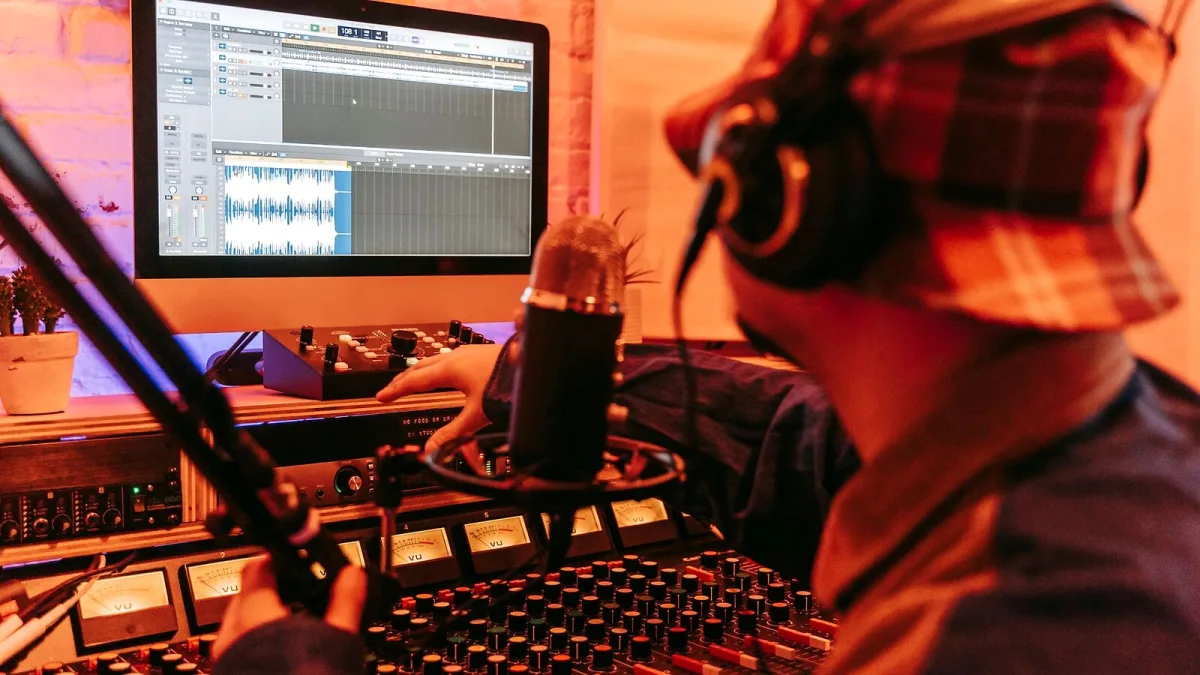
"Best value" is a slippery phrase when it comes to Pro Tools, because it depends entirely on what you're trying to do with the money. There's no single tier that's objectively the best deal — there's a best deal for a bedroom songwriter, a different one for a working mix engineer, and a different one again for a post-production house billing clients by the hour. Let's go through it by budget and use case rather than pretending one answer fits everyone.
Free: Intro
The best possible value here is, obviously, nothing. Intro costs nothing at all and covers basic recording, MIDI and editing. For anyone testing the water — deciding whether Avid's workflow suits them before spending a penny — it's the correct starting point, full stop. Nobody serious should feel embarrassed staying here for a while.
Budget tier: Artist
At roughly $9.99 a month or $99 a year (with a perpetual licence reportedly around $199), Artist is where the real value case gets interesting. You're getting 32 audio tracks, 64 MIDI tracks and more than 110 bundled instruments and effects — plenty for full songs, demos and small productions — plus Melodyne Essential for pitch correction in recent bundles. For the vast majority of solo producers and songwriters, this is genuinely as much software as you'll ever need, and paying more buys headroom you'll likely never use.
Mid tier: Studio
Studio sits around $34.99 a month or $299 a year, with a perpetual option near $599, and it earns that jump with 512 audio tracks, 1,024 MIDI tracks and a video track for scoring or basic post work. The value case here isn't about raw numbers — it's about whether you're mixing other people's sessions professionally, need the video track, or want immersive mixing tools like Dolby Atmos support. If none of that applies to you, Studio's extra cost buys capacity you won't touch, and Artist remains the smarter spend.
Top tier: Ultimate
Ultimate runs close to $99 a month or $599 annually, with perpetual pricing reported around $1,499. Up to 2,048 audio tracks, 64 video tracks and the deepest immersive and post-production toolset put this firmly in facility territory — film post houses, broadcast studios and large commercial rooms. Judged purely on cost-per-feature-you'll-use, it's poor value for almost every home producer, and excellent value for the handful of studios that actually push those track and video counts daily.
Where the real Pro Tools value sits, tier by tier
| Use case | Best-value pick | Why |
|---|---|---|
| Testing the waters, zero budget | Intro | Free, covers the fundamentals |
| Solo songwriter or home producer | Artist | Covers nearly every realistic home session |
| Professional mixing, small commercial room | Studio | Track count and video support justify the cost |
| Post-production house, large facility | Ultimate | Only tier with the full immersive and video toolset |
Pro Tools subscription versus perpetual: the value multiplier
Whichever tier suits your use case, how you pay changes the value equation further. A perpetual licence costs more upfront but nothing afterwards, so if you're a long-term user who doesn't chase every new feature the day it lands, it tends to work out cheaper over several years. A subscription costs less to start and bundles ongoing updates plus Avid's Inner Circle plug-in and content perks, which suits people who want to stay current without a big one-off payment. Neither is objectively better value — it depends how long you'll actually keep using it.
Don't forget the hidden costs
The software price is only part of the real spend. Budget separately for an audio interface, and don't assume you need Avid's own HDX or Carbon hardware — that's only worth the extra cost for facilities with genuinely demanding, high-track-count sessions. Skipping straight to expensive hardware before you've maxed out what a standard interface offers is one of the more common ways people waste money on this setup; our mistakes guide covers several more like it.
The bottom line
For pure Pro Tools value, Artist wins for the overwhelming majority of home producers and songwriters — it's the tier where capability and price line up best against real-world use. Studio only becomes the better deal once professional mixing work or video needs enter the picture, and Ultimate is a facility investment rather than a personal one. If you want a fuller specification comparison before deciding, our complete guide lays out every edition's capabilities, and our buyer's guide walks through the purchasing decision itself, step by step.





Comments