


Virtual Preamp Collection roundup
The Best Virtual Preamp Collections for the Money
There's no single best preamp plugin, only the best fit. Here's how the main approaches compare for different producers and budgets.
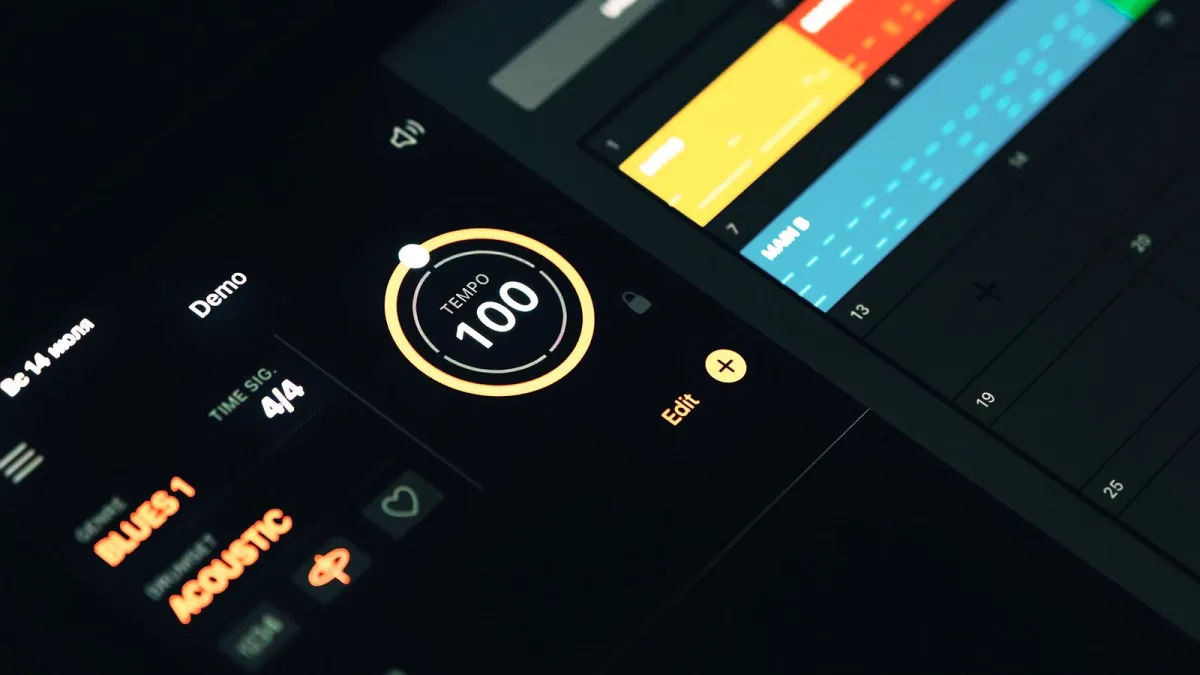
Preamp-modelling plug-ins are one of the more crowded corners of the production world, and "best" genuinely depends on what you're actually trying to achieve. Rather than pretend there's one universal winner, here's how the main approaches — starting with Slate Digital's own Virtual Preamp Collection — break down by what suits different producers and budgets.
Before comparing anything, it's worth being honest about what you actually need from a preamp plug-in: a couple of distinct, dependable tones you'll reach for constantly, or a broader palette you can experiment with across different projects. That single question rules out most of the wrong choices before you even open a product page.
Best Focused, Two-Tone Option: Slate Digital's Virtual Preamp Collection
If you want two genuinely distinct classic preamp characters — a British solid-state flavour and a German tube flavour — in one focused, easy-to-learn plug-in, this remains a smart pick. It doesn't try to be a full channel strip or do EQ and compression for you; it does one job, modelling preamp coloration, and does it without demanding a steep learning curve.
Best if You Want an Officially Licensed Hardware Match
Universal Audio's Neve 1073 Preamp & EQ Collection is built under official licence from the original hardware manufacturer, which matters to some producers on principle even where the audible difference to an unlicensed but well-modelled alternative may be subtle. If having that direct lineage matters to you, and particularly if you already run UAD hardware with Unison-enabled preamps, this is worth the look.
Best for a Full Channel-Strip Workflow
If you'd rather have preamp modelling bundled together with EQ, dynamics and routing in one interface rather than stacking separate plug-ins, Softube's console and channel-strip emulations are built around exactly that combined workflow. You lose a little of the focused simplicity of a preamp-only tool, but you gain a more complete one-stop mixing chain.
Best Value if You Want a Whole Catalogue, Not Just One Tool
Several developers, including Slate Digital itself, offer subscription plans covering large plug-in catalogues rather than charging per plug-in. If you're the kind of producer who likes experimenting across many different tools rather than settling on one or two favourites, that catalogue-access model can work out as better value than buying individual plug-ins piecemeal — provided you'd actually use enough of the bundle to justify it.
Best for Budget-Conscious Beginners
If you're just starting out and not sure preamp modelling is even something you'll use regularly, look for a free trial period before spending anything on any of these options. Most reputable developers offer one, and a fortnight spent actually mixing with a trial will tell you far more than any amount of reading, this article included. Resist the temptation to buy the most talked-about option purely because it's talked about — the right first preamp plug-in is whichever one you'll actually reach for on a normal Tuesday session, not the one with the flashiest demo video. Our beginner's guide covers the basics if you're at that stage.
Quick Comparison
| Priority | Best fit |
|---|---|
| Two focused, distinct classic tones | Slate Digital's Virtual Preamp Collection |
| Official hardware licensing | Universal Audio's Neve 1073 Collection |
| Full channel-strip workflow | Softube console/channel-strip emulations |
| Wide catalogue access | A subscription-based plug-in bundle |
| Testing the waters first | Any free trial before committing |
What "Value" Doesn't Mean Here
None of this is about finding the cheapest possible option — a preamp plug-in you never open because it doesn't suit your workflow is poor value regardless of price. The better question is always which approach matches how you actually work: focused and simple, fully integrated, or broadly catalogue-based. Get that right and the money spent stops feeling like a gamble. It's also worth remembering that none of these tools operate in isolation — the quality of your source recording, your monitoring setup and your general gain-staging habits will affect the result far more than which specific plug-in badge sits on the label. Spend some of that budget-conscious energy on getting the fundamentals right first, and whichever option you land on will sound better for it.
The Bottom Line
There's no single best preamp plug-in, only the best fit for your workflow and budget. If Slate's focused, two-tone approach appeals, our complete buyer's guide walks through the practical decisions in more depth, and our full explainer covers exactly what it does under the hood.





Comments