


Virtual Preamp Collection roundup
Virtual Preamp Collection: A Complete Buyer's Guide
A hype-free look at whether this plug-in actually solves your problem, plus licensing, compatibility and how it stacks up against the alternatives.
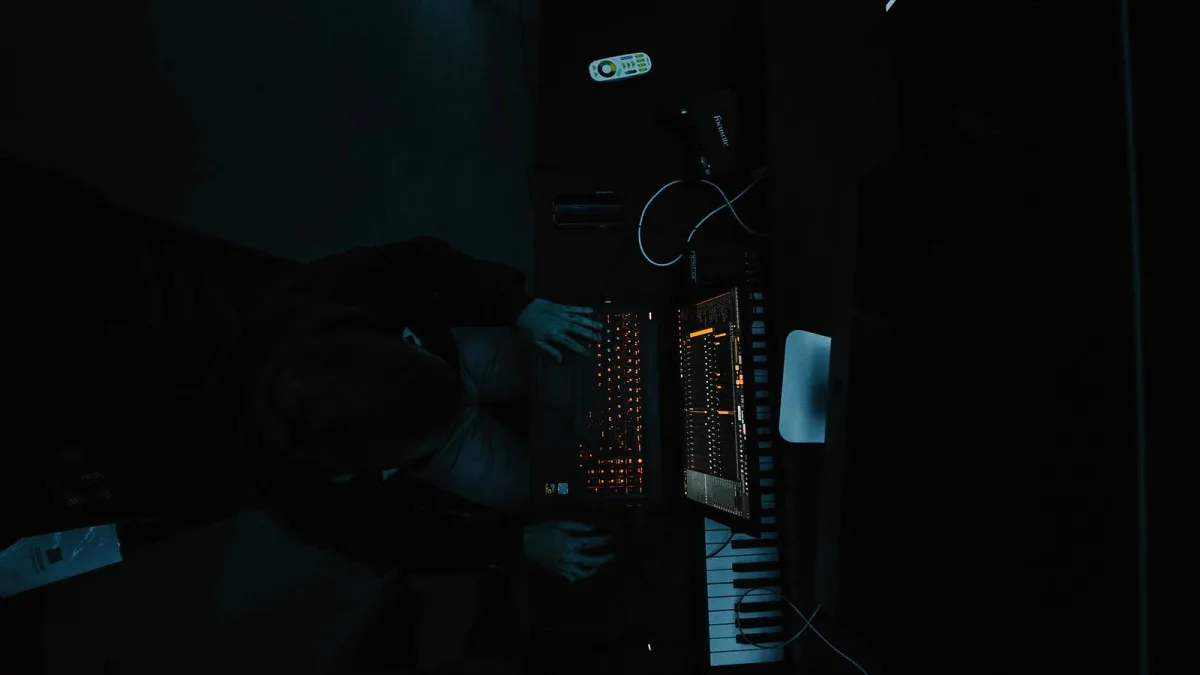
Right, before you add the Virtual Preamp Collection to your cart, let's work out whether it's actually the right tool for what you're trying to do. Preamp-modelling plug-ins are genuinely useful, but they're also easy to buy on hype and then barely open after the first week. Here's what actually matters before you commit.
What Problem Are You Actually Trying to Solve?
Be honest with yourself here before you spend anything on the Virtual Preamp Collection. If your recordings sound thin, harsh or lifeless because of poor microphone technique, room treatment or a genuinely bad interface preamp, a plug-in like this will not fix that — it adds character on top of what's already there, for better or worse. It's the right purchase if your source material is basically clean and competent but you want classic analogue coloration added afterwards, with full recall and no commitment made at tracking time.
Do You Need the Hardware Too?
Slate originally built this around its own VMS-ONE microphone preamp, part of a wider Virtual Microphone System. If you already own that hardware, the software slots in as intended. If you don't, it still works perfectly well fed from any other reasonably clean, low-coloration preamp or interface input — you're just not getting the specific, purpose-built pairing Slate designed it around originally.
Licensing: Perpetual or Subscription?
Slate Digital typically offers the Virtual Preamp Collection both as a standalone perpetual licence and bundled inside its wider subscription plan, which covers a large catalogue of the company's other plug-ins. Which makes sense depends entirely on your habits:
- Buy outright if you know you want these two specific preamp tones and nothing else from the catalogue.
- Subscribe if you're the kind of producer who likes trying lots of different tools and would actually use the wider bundle, not just this one plug-in.
Check current pricing and terms directly on Slate's own site before deciding — subscription terms and catalogue contents change over time, and it's not worth basing a decision on anything older than the current product page.
Check Compatibility Before You Pay
Confirm your DAW supports the plug-in formats offered, and that your operating system version is covered — plug-in compatibility details shift with software updates on both sides, so check the current system requirements rather than an old forum post or review. If a free trial is available, use it properly: load it onto a real project, not just a test tone, and listen for whether the character actually suits your material. A clean sine wave or a single isolated vocal take will tell you almost nothing useful about how it behaves across a full mix, so test it where it will actually live.
How It Sits Against the Alternatives
This is a genuinely crowded corner of the plug-in market, and it's worth knowing roughly where it sits:
| Approach | Example | What's different |
|---|---|---|
| Officially licensed hardware modelling | Universal Audio's Neve 1073 Collection | Built under licence from the original hardware maker |
| Independent preamp-focused modelling | Slate Digital's Virtual Preamp Collection | Two distinct, inspired-by tones in one focused plug-in |
| Full channel-strip emulation | Softube and similar console/channel-strip plug-ins | Combines preamp modelling with EQ, dynamics and routing |
None of these are directly interchangeable — some bundle in EQ and compression, others focus purely on preamp coloration — so match the category to what you actually need rather than assuming they're all doing the same job. If you're not sure yet which category actually suits your workflow, it's worth spending an evening with a demo or trial of each type before spending anything — the differences are much easier to hear than to read about.
Budget for the Learning Curve, Not Just the Price Tag
The plug-in itself is straightforward to install, but getting good, tasteful results takes a bit of practice — mainly around gain staging and resisting the urge to judge "better" by "louder." Our common mistakes to avoid piece covers exactly where new users trip up, and it's worth a read before your first real session with it.
A Quick Pre-Purchase Checklist
- Your recordings are already clean and competent, not thin or badly captured.
- You've checked current plug-in format and OS compatibility on the official product page.
- You know whether a perpetual licence or the subscription bundle actually suits how you work.
- You've tried a trial or demo on a real project, not just a test tone.
The Bottom Line
Buy it because you want two specific, well-regarded classic preamp tones with full recall in the box — not because you're hoping it will fix a recording that was never captured well in the first place. If you're still getting your head around what it does at all, our complete guide is the place to start, and our value round-up is useful if you're comparing it against the wider field.





Comments