


Looper Studio article
Common Looper Studio Mistakes to Avoid
The same handful of habits trip up almost everyone who starts looping. Here's every one of them, and the fix.
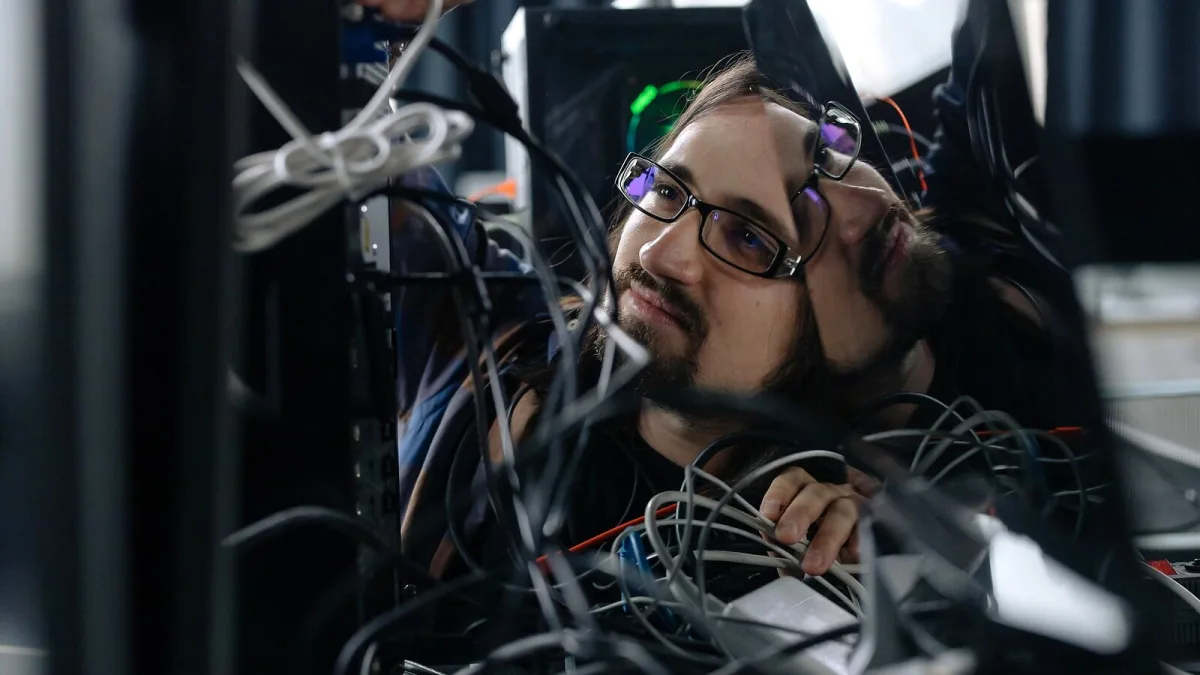
I've watched enough people get frustrated with looping to know it's almost always the same handful of habits causing the trouble, not the gear itself. Here's every common looper studio mistake I keep seeing, and the fix for each one.
Mistake 1: Starting or Stopping in the Wrong Place
This is the single biggest cause of "why does my loop sound wrong" moments. If you start playing slightly before the beat, or stop recording a fraction after where the phrase should repeat, you get a click, a gap, or a groove that slowly drifts out of time. Use a count-in or click track where you can, and aim to start and stop exactly on the first beat of the bar rather than trusting your internal sense of timing alone.
Mistake 2: Making Your First Loop Too Long
It's tempting to record something elaborate straight off the bat, but a long first phrase gives you far more places for the timing to go slightly wrong, and far more to fix if it does. Keep the foundation loop short and rhythmically simple. You can always build complexity through overdubs once that base layer is solid.
Mistake 3: Layering a Looper Studio Session Without Ever Using Undo
Some players treat a bad overdub like a sunk cost and just keep playing over it, hoping it'll get buried under later layers. It won't — it'll just muddy things further. The moment something goes wrong, use undo and try that specific layer again, rather than trying to rescue it by adding more on top.
Mistake 4: Never Planning How the Loop Ends
A loop that repeats forever is great in a bedroom and genuinely awkward in front of an audience if you haven't thought about how you're actually going to get out of it. Decide in advance whether you're stopping cold, transitioning to a new phrase memory, or fading layers out one at a time, so the ending feels intentional rather than panicked.
Mistake 5: Putting It in the Wrong Spot in Your Signal Chain
For most guitar setups, the usual order is guitar, then effects, then the looper, then the amp — that way your recorded loop captures your full processed sound. Put it earlier in the chain by accident and changing your effects later will also change how your existing loop sounds, which can be a confusing surprise mid-performance if you weren't expecting it.
Mistake 6: Monitoring the Wrong Thing on Your Looper Studio Setup
If you're judging your levels and timing through a different signal path than the one your loop is actually being built from, you'll make decisions based on the wrong information. Always monitor through the same system your audience, or your recording, will actually hear.
Mistake 7: Ignoring Feedback Risk With Vocal Looping
Anyone looping vocals or an acoustic instrument through a microphone needs to think about how close that mic sits to any speakers in the room. Feedback creeping into a loop doesn't just sound bad once — it gets recorded and repeats with everything else, which is a far bigger problem than a one-off squeal.
Mistake 8: Trusting an Untested Software Looper Studio Live
A software-based setup that's never been stress-tested is a real risk to run at an actual gig. Buffer glitches, driver hiccups and unexpected crashes all happen far more often live than they do at home, precisely because live rooms are noisier and less predictable than a bedroom setup. Run through your whole set on the exact hardware and software you'll use before you trust it in front of people.
Mistake 9: Forgetting Some Pedals Erase Loops on Power-Down
Not every hardware unit saves your loop when it's switched off, and finding that out the hard way after a great improvised session is genuinely painful. Check whether your specific pedal or app actually saves sessions, and get in the habit of exporting or saving anything you'd be upset to lose.
Building Better Looper Studio Habits From Here
None of these are really about talent — they're about habits, and every one of them is fixable in a session or two once you know to watch for it. If you're still finding your feet with the basics, our beginner's guide is the friendlier starting point, and our looper studio explainer covers the deeper terminology and features properly. If you're still deciding what to actually buy, our buyer's guide and best-for-the-money roundup will help you land on the right format.
Avoid this lot and looping stops being a source of on-stage anxiety and starts being what it's actually meant to be — genuinely fun.



Comments