


GarageBand article
Garageband Explained: Features, Types and Tips
GarageBand is Apple's free DAW for Mac, iPhone and iPad — here is what it can do, where its limits are, and what the upgrade to Logic Pro adds.
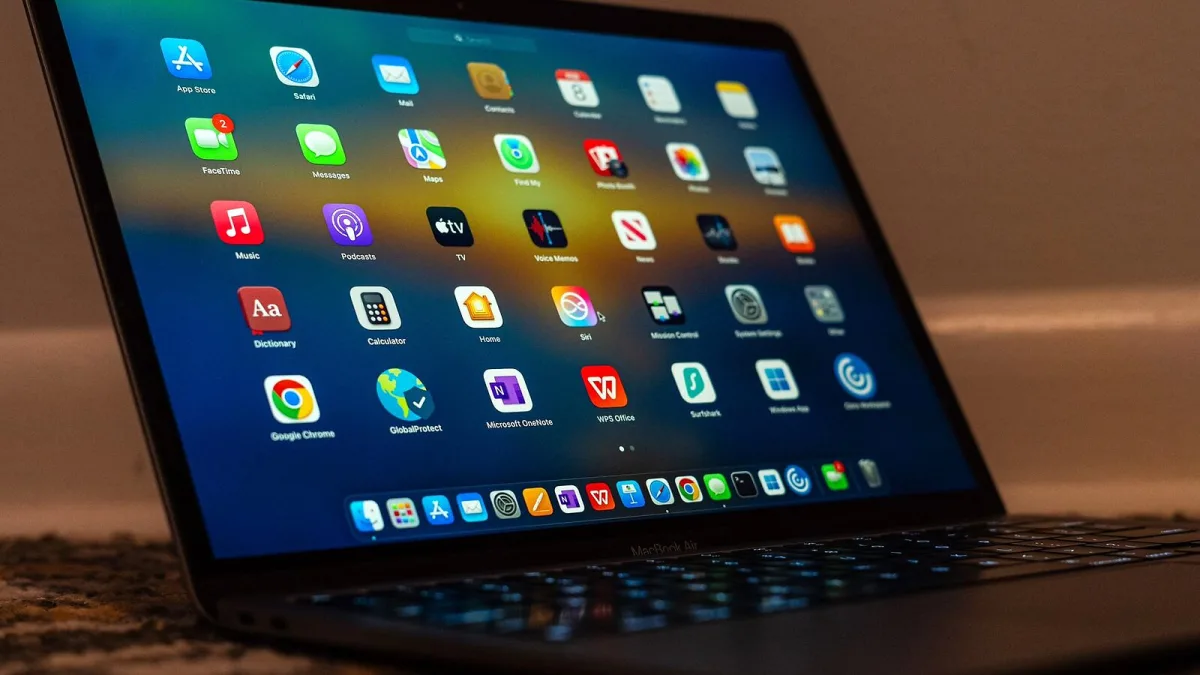
GarageBand is Apple's free digital audio workstation, available on Mac, iPhone and iPad. It is the entry point for music production in Apple's ecosystem and the starting point for many professional musicians who later move to Logic Pro. Understanding what it does and does not offer helps you use it effectively from the start.
What GarageBand Can Do
The software supports multi-track recording of audio and MIDI, virtual instruments, loops, and basic mixing. On Mac, it includes the Alchemy synthesiser — a powerful instrument also found in Logic Pro — alongside drum machines, bass amps, guitar effects, and an extensive library of loops in most genres. The Drummer feature provides an AI-based virtual drummer that responds to the music you are composing, adjusting complexity and style on request.
Audio recording supports any interface compatible with macOS, meaning you can use a professional audio interface with low-latency monitoring. MIDI is fully supported, with a piano roll editor for editing note data.
GarageBand on iPhone and iPad
The iOS and iPadOS versions of the software share the same project format as the Mac version, making it straightforward to start a project on your phone and continue it on your Mac. The mobile versions include Smart Instruments — simplified interfaces for guitar, keyboard, bass and drums that let you play in key without needing to know which specific notes to press. The piano roll editor is present but simplified relative to the Mac version.
Limitations
GarageBand has some significant limitations for professional use. The mixer has no sends, buses or aux routing — you cannot route audio through a reverb send as you would in a professional DAW. There is no automation for third-party plugins (only basic volume and pan automation). The project file format is not compatible with other DAWs. Export is limited to stereo bounce, MP3, AIFF or WAV without stem export functionality. For advanced routing, complex automation or session musician collaboration, Logic Pro or another DAW is required.
The Upgrade Path
Logic Pro is designed as the professional version of the software, and the two share the same project format — projects open directly in Logic Pro with no conversion required. The upgrade costs £199.99 (or a subscription). Logic Pro adds unlimited tracks, full mixer routing with sends and buses, Flex Time pitch correction, full automation on all parameters, and a significantly larger instrument library. GarageBand is the ideal starting point precisely because the upgrade path is direct and zero-friction.
Plugin Support
On Mac, GarageBand supports Audio Unit (AU) plugins — the standard plugin format for macOS. This means you can use third-party instruments and effects from manufacturers including Native Instruments, Waves, FabFilter and many others, expanding its capabilities significantly beyond the built-in content. The iOS version does not support AU plugins in the same way, limiting it more to the built-in instruments and effects.
For guidance on when to upgrade, see the buyer's guide. For beginners, the beginner's guide covers the essentials.
The Bottom Line
GarageBand is a genuinely capable free DAW for recording, composing and basic production. Its limitations become significant at the professional level, but for most beginners and intermediate musicians, it provides everything needed to produce complete tracks.



Comments