


Cakewalk by BandLab article
A Guide to Cakewalk by Bandlab
Cakewalk by BandLab gave Windows users a full professional DAW for nothing. Here's how it came about, what it could do, and what's replaced it.
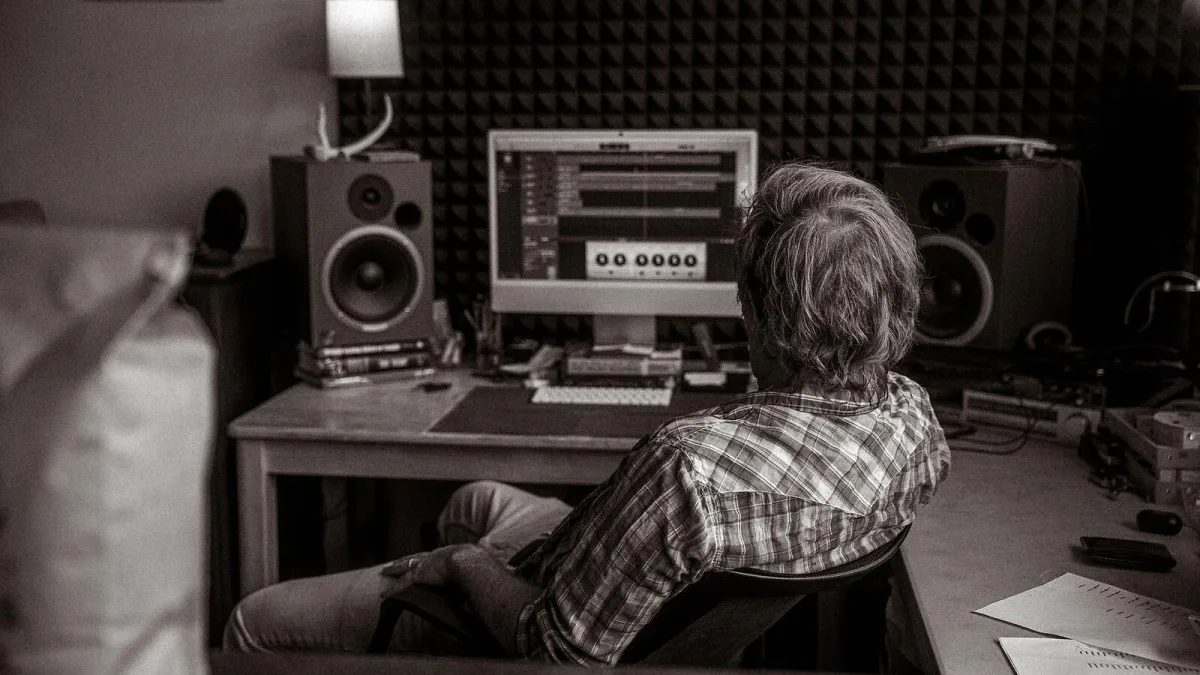
Cakewalk by BandLab was, for the best part of a decade, the DAW (digital audio workstation — the software you record, edit and mix music in) that a lot of Windows users reached for when they didn't fancy paying for one. It carried the DNA of the old SONAR range but cost nothing to download. Here's what it actually was, how it came to exist, and where it stands now that BandLab has moved the whole family on.
What Was Cakewalk by BandLab?
It was a full, professional-grade DAW for Windows, covering multitrack recording, MIDI sequencing, mixing and mastering in one package. It wasn't a cut-down "lite" edition designed to nudge you towards a paid tier — it was, feature for feature, close to the commercial SONAR software it grew out of, just given away free to anyone with a BandLab account.
That made it unusual. Most free DAWs on the market trim away routing options, plug-in slots or track counts to protect a paid version further up the range. This one didn't really do that, which is a large part of why it built such a loyal following among home producers, podcasters and small studios who couldn't justify Cubase or Pro Tools money.
From SONAR to a Free Relaunch
The story starts with Cakewalk the company, a long-standing name in MIDI sequencing that eventually built SONAR into one of the more respected Windows DAWs on the market. Gibson Brands owned Cakewalk for a spell, but in November 2017 it announced it was shutting the division down, and SONAR development stopped dead.
BandLab Technologies, the Singapore-based music-tech company behind the BandLab social platform, bought Cakewalk's intellectual property in 2018 and relaunched the software under the BandLab name — free, tied to a BandLab account, and built on the same engine SONAR users already knew. For existing SONAR owners it was a lifeline; for newcomers it was a genuinely capable DAW at no cost at all.
Core Features and Workflow
Under the hood, it followed the conventional linear DAW model that anyone coming from another track-based recorder would recognise instantly:
- Multitrack audio recording and comping (recording several takes and combining the best parts)
- A full MIDI sequencing and piano-roll editor
- Console-style mixing with buses, sends and automation
- The ProChannel strip — built-in EQ, compression and tape-style saturation on every track
- Support for third-party VST and VST3 plug-ins
- Bundled virtual instruments for basic sound design straight out of the box
- Mastering and export tools for finishing a track ready to share
If you've read our beginner's guide, you'll know that workflow is really its strongest suit — it doesn't hide anything behind a simplified interface, so what you learn transfers directly to other professional DAWs later.
Plug-ins and Hardware
It supported the standard Windows plug-in formats, chiefly VST and VST3, though compatibility always came down to the individual plug-in maker rather than Cakewalk itself. For recording, it relied on ASIO (a low-latency audio driver standard) for talking to an interface, so a decent audio interface and up-to-date drivers mattered more to sound quality and stability than anything inside the DAW.
As with any DAW project built around outboard plug-ins, keeping hold of your original project file, audio, MIDI data and plug-in presets together was the safest way to make sure a session would reopen properly on another machine.
Where It Stands Today
This is the part that matters most if you're only discovering the software now: development and support officially ended, with activation renewals ceasing on 31 December 2025. BandLab describes its replacement, Cakewalk Sonar, as "the next evolution of Cakewalk by BandLab" — a redesigned interface with high-DPI support, built on the same workflow, released alongside a separate, more streamlined DAW called Cakewalk Next.
| Area | The Old Software | Cakewalk Sonar |
|---|---|---|
| Status | Discontinued, no longer supported | Actively maintained successor |
| Platform | Windows only | Windows |
| Pricing | Free during its active years | Free tier, plus paid BandLab membership features |
| Interface | Legacy Cakewalk/SONAR design | Redesigned, high-DPI aware |
| Best for | Existing projects on older systems | New projects going forward |
If you already have an existing installation and library of projects, our buyer's guide covers exactly what to check before you decide whether to keep using it or move your work across to Sonar.
Who It Suited
In its active years, it suited home producers who wanted a genuinely professional toolset without a purchase price, musicians moving on from an old SONAR licence, and anyone recording demos, podcasts or small-band sessions who needed proper mixing and MIDI tools rather than a stripped-back sketchpad app. It was less suited to macOS users, since it was never released as a native Mac application, and to anyone who needed guaranteed long-term software support — a gap Cakewalk Sonar now exists to fill.
The Bottom Line
Cakewalk by BandLab earned its reputation honestly: a full-featured DAW, inherited from a respected commercial product, given away for nothing. That chapter has now closed, with Cakewalk Sonar carrying the workflow forward under a new name and a new support plan. Anyone starting from scratch today is better served researching Sonar directly; anyone with an existing setup should treat this guide, and the buyer's and beginner's guides linked above, as the starting point for deciding what comes next.






Comments