


Tech House article
Essential Tech House Albums Explained
Honest answer first: this isn't really an album genre. Here's what tech house gives you instead, and where its long-form listening actually lives.
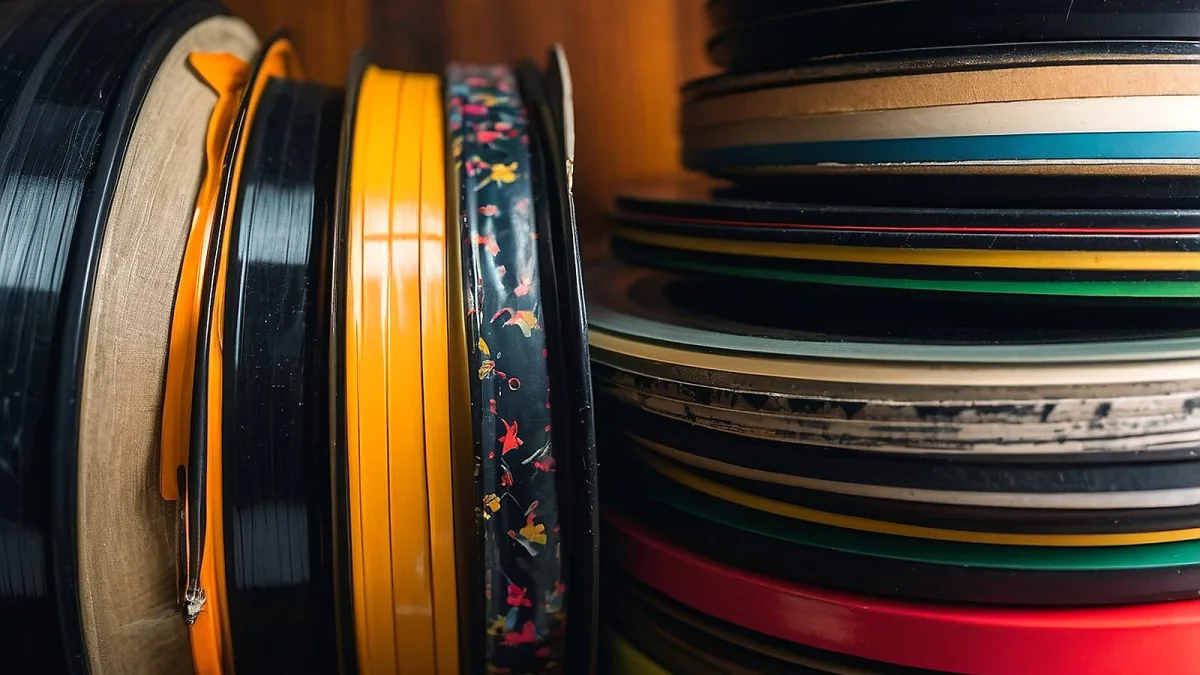
Here's an inconvenient truth before we go any further: this isn't really an album genre. If you came looking for a tidy top-ten list of classic full-lengths, you're going to be disappointed — and I'd rather tell you that straight than pad one out with tracks that don't belong there. What tech house actually gives you instead is arguably more useful, so let's talk about that.
Why Tech House Isn't an Album Genre
Tech house grew up as a DJ-focused club sound, not a radio or album format. Records were built for long blends and dancefloor phrasing, with DJs stitching tracks together through EQ and looping rather than listeners sitting down with a full-length start to finish. That DJ-first culture never really went away, and it's the main reason the genre never developed a strong album tradition the way rock or hip-hop did.
Add streaming's single-and-playlist model on top of a genre that was already single-and-EP-driven, and you get a scene where the track, not the album, is the unit that matters.
So What Does "The Album" Actually Look Like Here?
Rather than solo studio albums, the genre's long-form listening tends to come from three places:
- Label compilations — imprints like Defected, Toolroom and Glasgow Underground have long released curated various-artist compilations that work as a genre's answer to a "best of" album.
- DJ mix series — a mixed set from a respected DJ, stitching together a night's worth of tracks, is the closest thing to an album experience most fans actually reach for.
- Label catalogues as a body of work — imprints such as Moon Harbour and Mobilee Records built a consistent, recognisable sound across dozens of releases, which functions a lot like an artist's discography would in another genre.
None of that is a consolation prize. It's just a genuinely different way of consuming long-form music, built around the club and the mix rather than the record player.
Where Full Albums Do Turn Up
It's not that full-length releases never happen — some artists with roots wider than pure club music do put albums out, usually when they're stretching beyond straightforward dancefloor material into something more varied. Green Velvet, for instance, has a vocal-led, distinctive style that comes from a broader house-and-techno background than a lot of purely track-focused producers. But treat these as the exception that proves the rule, not evidence of a thriving album scene.
If You Want a "Best Of" Experience Anyway
| Instead of an album, try… | Why it works |
|---|---|
| A label compilation from Defected or Toolroom | Curated, various-artist, built to flow start to finish |
| A recorded DJ set from a name you rate | Genuine dancefloor pacing and track selection |
| A deep dive into one label's back catalogue | Consistent sound and production values across releases |
If you're not sure whose catalogue is worth that deep dive, our guide to the essential artists will point you at the right names, split by era.
Don't Let the Format Confuse You About the History
It's worth separating "no big album tradition" from "no real history" — the two aren't the same thing. This is a genre with a proper lineage running from 1990s London clubs through European labels to today's festival stages, and our full history piece covers that properly. If you're brand new and this is your first stop, I'd actually start with our beginner's guide instead — it'll make a lot more sense once you know what the sound is in the first place.
My Honest Take
I'd rather tell you tech house doesn't really do albums than invent a fake canon to fill out a listicle. What it does instead — label compilations, DJ mixes, deep catalogue runs — is arguably a more honest way to experience club music anyway. Skip the search for a "classic album" and go looking for a great mix or a trustworthy label instead. You'll get more out of it.




Comments