


Tech House article
A Beginner's Guide to Tech House
Tech house gets thrown around a lot without much explanation. Here's what the genre actually is, in plain terms.
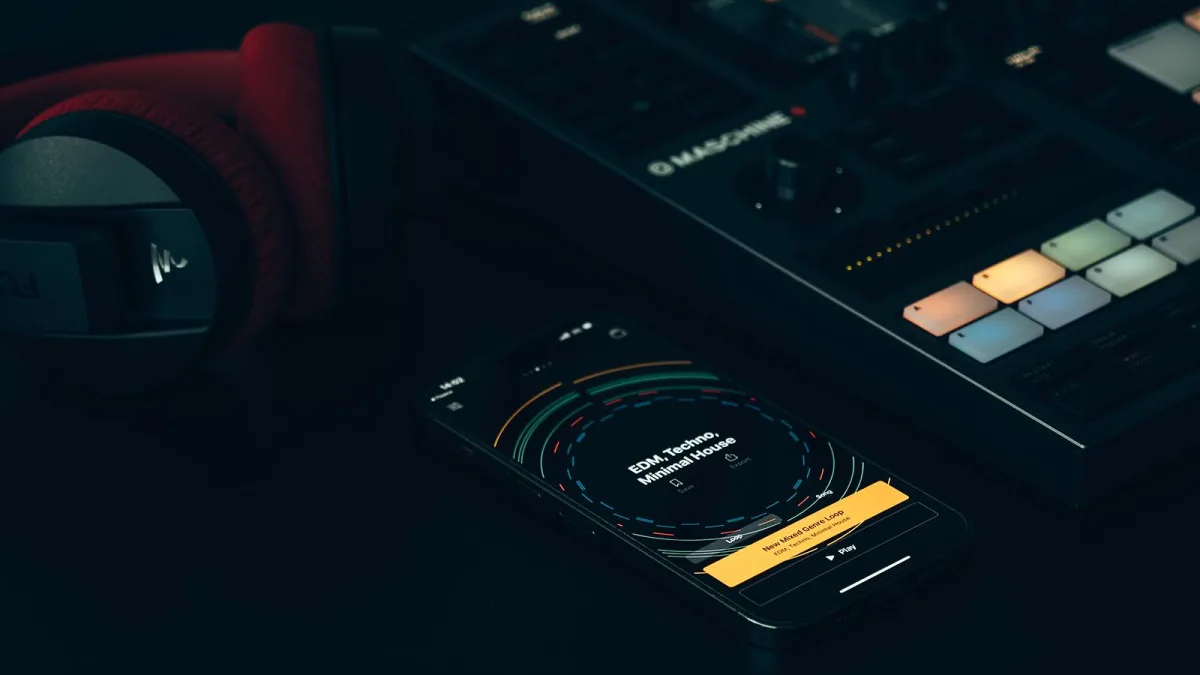
If you've heard the phrase "tech house" thrown around a festival line-up or a Spotify playlist and wondered what it actually means, you're in good company — it's one of dance music's most-used and least-explained labels. Let's take it slowly: what the sound actually is, where its groove comes from, and how it sits next to its two closest relatives, house and techno.
What Tech House Actually Is
It is a dance-music style that blends house music's warm, club-ready groove with techno's darker, more mechanical, stripped-back production. Rather than big melodies or lush harmony, it leans on a strong kick, a syncopated bassline, sparse percussion and a hook that repeats and slowly evolves rather than changes every few bars. Most of it sits in a tempo range of roughly 120–130 beats per minute, though earlier records could run a little quicker.
It helps to think of the genre less as one fixed recipe and more as a meeting point. It draws on Chicago house, Detroit techno, acid house, dub and minimal techno, and it borrows a bit of attitude from each without fully becoming any of them.
The Groove That Defines It
New listeners often expect a wall of melody. This genre gives you the opposite: space. A few elements do most of the work.
- Kick — a steady four-on-the-floor pulse, usually punchier and more controlled than a deep-house kick.
- Bass — often syncopated, answering the kick rather than sitting underneath it constantly.
- Percussion — hi-hats, shakers and small fills that create movement around a fairly simple pattern.
- Hook — a vocal phrase, synth stab or processed sound that repeats and gradually builds rather than a traditional verse-chorus melody.
That combination is why it tends to feel hypnotic rather than instantly catchy on a first listen. Give it a chance to build, and the groove does the rest.
A Very Short History
The genre took shape in the UK and US through the 1990s, largely as a DJ-focused club sound rather than a radio format. London names like Terry Francis, Eddie Richards, Mr. C and Bushwacka! shaped the early scene, with the Wiggle parties and label acting as an important home for it, while American artist Green Velvet contributed a distinctive, vocal-led strand of the sound. It later expanded through European labels in the 2000s and, more recently, reached festival main stages through artists such as Fisher, Chris Lake, Cloonee and Michael Bibi. If that potted version has you curious, our full history of the genre goes through each era properly.
Tech House vs House vs Techno
| Style | Feel | Typical focus |
|---|---|---|
| Tech house | Groove-led, sparse, hypnotic | Kick-and-bass interplay, repetition with small changes |
| House | Warm, soulful, melodic | Chords, vocals, a fuller arrangement |
| Techno | Dark, mechanical, driving | Texture and repetition over melody, often faster |
It sits deliberately between the two, which is exactly why it can be tricky to define in a sentence.
Who to Listen to First
Rather than diving in at random, it helps to hear a handful of names that represent the genre's different sides: something foundational, something European and something festival-facing. Our guide to the best artists to know breaks those down properly, and if you want the genre split by its various strands, our subgenres explainer is a useful next stop.
Where to Go Next
Once the basics have settled in, our newcomer's roadmap gives you practical first steps for actually building a listening habit, and our look at the tracks that define the genre is a good place to hear the theory in practice.
The Bottom Line
This genre rewards patience more than most in dance music. It's built on groove and repetition rather than instant hooks, which is precisely what makes it work so well on a packed dancefloor at two in the morning. Give the space in the mix a chance, and the appeal usually clicks fast.




Comments