


Rap Music article
The History of Rap Music
A party trick with two turntables became the most commercially powerful genre on the planet. Here's the real, decade-by-decade history of rap music.
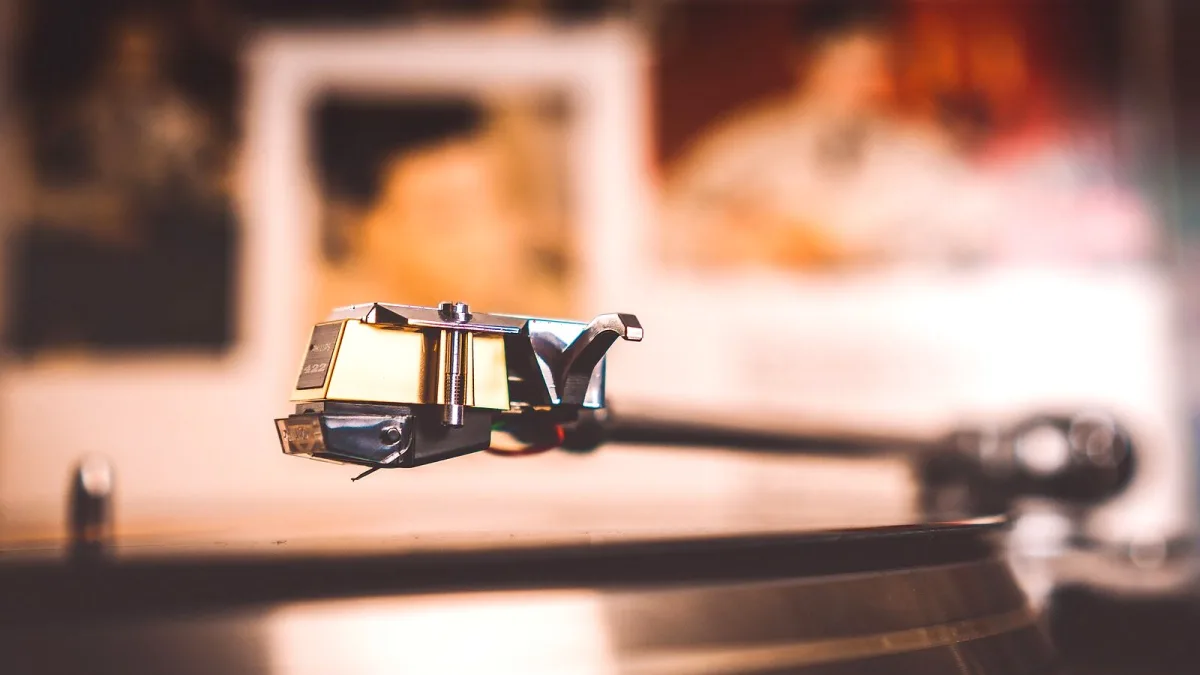
Every dominant sound in music right now — melodic hooks over trap drums, viral flows, entire careers built on a distinctive voice rather than a live band — traces back to a scene that started at block parties in one New York borough. This is the real timeline of rap music: how a party trick with two turntables turned into the most commercially powerful genre on the planet.
Early 1970s: block parties in the South Bronx
The story starts with DJs, not rappers. At neighbourhood parties in the South Bronx, DJ Kool Herc — Jamaican-born Clive Campbell — noticed dancers went wildest during the instrumental "break" in funk and soul records. Using two copies of the same record on two turntables, he learned to extend that break indefinitely, giving dancers an endless loop to perform over. MCs were originally just there to hype the crowd between tracks; gradually, their patter got more rhythmic and more focused on rhyme, pulling from Jamaican sound-system "toasting" and older Black American oral traditions along the way.
1979: rap music reaches the mainstream
For most of the 1970s, this was strictly a live, local phenomenon — nobody had thought to put it on record. That changed with the Sugarhill Gang's "Rapper's Delight" in 1979, a 15-minute single built over a looped Chic sample that became an unlikely national hit and proved, almost by accident, that there was a mass audience for this sound beyond the Bronx.
The 1980s: from novelty to art form
The following decade is where the genre grew up fast. Grandmaster Flash and the Furious Five's "The Message" (1982) shifted the subject matter from party bragging to genuine social commentary about urban poverty. Run-DMC brought rap to full, rock-crossover albums and MTV. Rakim redefined technical rhyming with dense, multisyllabic patterns that raised the bar for every rapper who followed. And Public Enemy, by the decade's end, had turned dense, sample-heavy production into a vehicle for direct political confrontation. Def Jam Recordings, home to Run-DMC, LL Cool J and Public Enemy, became the decade's defining rap music label.
The 1990s: coasts, gold and tragedy
The 1990s split the genre geographically and commercially. N.W.A and, later, Dr. Dre's solo work built West Coast gangsta rap around funk samples and blunt street storytelling, largely through Death Row and Ruthless Records. On the East Coast, Nas and The Notorious B.I.G. pushed lyricism and narrative detail to new heights. Tupac Shakur became the decade's most charismatic and most tragic figure, and the East Coast–West Coast rivalry that framed his and Biggie's deaths cast a long shadow over the genre's final years of the decade. Meanwhile, Lauryn Hill folded rap into soul and singing on a record that crossed over far beyond hip-hop's usual audience, and OutKast began dragging the South into the national conversation.
The 2000s: the South rises, production changes
By the 2000s, the West Coast/East Coast axis had loosened its grip, and Southern rap — Atlanta and Houston especially — became commercially dominant. Kanye West reshaped mainstream production around sped-up soul samples before pushing into entirely different sonic territory over the following decade. OutKast's continued success proved Southern rap could be genuinely experimental, not just commercially huge.
The 2010s to now: streaming, trap and melodic rap
Streaming flattened regional gatekeeping almost entirely, and trap — built on rapid hi-hats, 808 bass and a Southern lineage — became the dominant production template nationwide, later joined by drill's harder, more confrontational variant. Kendrick Lamar pushed conceptual, lyrically dense albums back into the commercial mainstream, Drake blurred rap and R&B into a genuinely new commercial hybrid, and artists like Megan Thee Stallion, Tyler, the Creator and J. Cole show just how wide the genre's current range has become. If you want a fuller sense of who did what along this timeline, our guide to the best rap music artists to know goes deeper into individual careers.
A history that's still being argued over
Even the "founding" details of rap music get debated. Kool Herc's August 1973 back-to-school party is widely cited as hip-hop's symbolic birthday, but historians are quick to point out that the genre's development was collective, not the work of one person on one night. Similarly, "Rapper's Delight" is the first major commercial hit, not necessarily the first rap record ever made — independent and live recordings existed before it. Treat any single "first" as a useful landmark rather than a settled fact.
The short version
From block-party turntable tricks in the early 1970s to a genre that now defines global pop, rap music has moved through roughly five distinct eras — party rap, the golden age of the late '80s, the coastal 1990s, the Southern-led 2000s, and today's streaming-driven, trap-dominated landscape — without ever settling into one fixed sound. For a track-by-track way into that same story, our essential albums guide lines up the key records era by era.




Comments