


Rap Music article
Rap Music Subgenres, Explained
Rap music split into distinct strands decades ago. Here's a clear-eyed breakdown of boom bap, gangsta rap, trap, drill and more, and what separates them.
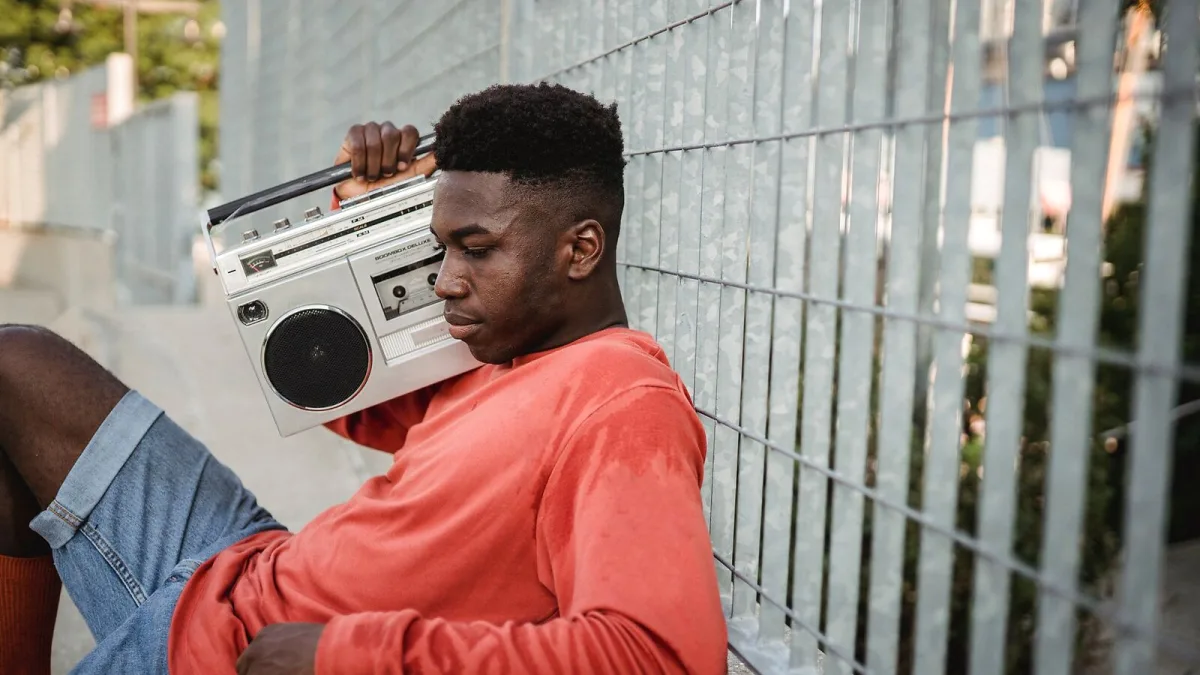
Ask five fans to define "rap music" and you'll get five different mental soundtracks — one thinking of boom-bap drums and dusty samples, another thinking of 808s and hi-hat rolls, another thinking of something altogether more melodic. None of them are wrong. This genre split into distinct strands decades ago, and knowing them makes the whole landscape far easier to navigate.
Boom bap
The foundational New York sound: hard-hitting drum breaks, chopped soul or jazz samples, and a general emphasis on lyricism over melody. Run-DMC, Rakim and Nas all sit comfortably in this tradition, which still gets treated as the genre's technical benchmark even decades after its commercial peak.
Gangsta rap
Blunt, often confrontational street narratives, built largely on the West Coast around funk sampling and heavy bass. N.W.A established the template; Dr. Dre's G-funk production refined it into something smoother but no less direct. It's less a sound than a subject-matter tradition — violence, poverty and street life told without much softening.
Conscious rap
Rap music aimed squarely at social and political commentary rather than boasting or storytelling for its own sake. Public Enemy and Grandmaster Flash and the Furious Five's "The Message" are the genre's founding texts here, and the tradition runs in an unbroken line through to Kendrick Lamar's most recent work.
Southern rap and trap
OutKast dragged the South into the national conversation in the 1990s, but it's trap — built on rapid hi-hat rolls, heavy 808 bass and a Houston-and-Atlanta lineage — that came to dominate mainstream production from the 2010s onward. It's now less a regional style than the default sound of a huge share of the charts.
Drill
A harder, more confrontational cousin of trap, built around darker, sparser beats and a more menacing vocal delivery. It developed distinct scenes on both sides of the Atlantic, with UK drill in particular building its own regional identity and slang separate from its American counterpart.
Alternative and jazz-influenced rap
A Tribe Called Quest's warm, jazz-sampling sound sits at one end of this loosely defined strand, which generally favours melody, experimentation and a less aggressive delivery than boom bap or gangsta rap. Lauryn Hill's blend of rapping and singing and OutKast's genre-blurring later albums both fit comfortably here too.
Emo rap
A 2010s development that fused rap's cadence with the confessional angst and melodic sensibility of emo and pop-punk, often sung as much as rapped. It's a divisive strand among longtime fans, but its commercial impact on younger audiences has been hard to ignore.
Melodic and genre-blurring rap
Drake's sung-and-rapped hybrid style and the broader melodic rap movement have blurred the line between rap music and R&B almost entirely over the past decade, to the point where plenty of current hits resist a clean genre label altogether.
How the strands compare
| Strand | Key trait | Reference artist |
|---|---|---|
| Boom bap | Hard drums, sampled loops, lyricism-first | Nas, Rakim |
| Gangsta rap | Street narrative, funk-sampling bass | N.W.A, Dr. Dre |
| Conscious rap | Social and political commentary | Public Enemy, Kendrick Lamar |
| Trap | 808 bass, rapid hi-hats | Southern artists, 2010s onward |
| Drill | Dark, sparse, confrontational | UK and US drill scenes |
| Alternative | Jazz-influenced, melodic, experimental | A Tribe Called Quest |
None of these rap music categories were ever policed strictly — Kendrick Lamar moves comfortably between conscious rap and mainstream trap-adjacent production depending on the album, and OutKast spent a career refusing to sit still in any one box. Treat the table as a map of tendencies rather than fixed addresses.
Want to hear how these strands actually developed? Our full history of rap music traces the timeline, and our essential albums guide lines up a record for each one.
The bottom line
Boom bap, gangsta rap, conscious rap, trap, drill and melodic hybrids — six strands, no strict rulebook, and constant argument about where one ends and another starts. Learn them and a huge amount of rap music's current landscape stops looking like one undifferentiated blur and starts looking like the sprawling, genuinely varied genre it actually is.




Comments