


Rap Music article
Essential Rap Music Albums Explained
Twelve albums, four decades, almost no shared sound — here's what to listen for on each essential rap music record, from arena rock crossover to concept album.
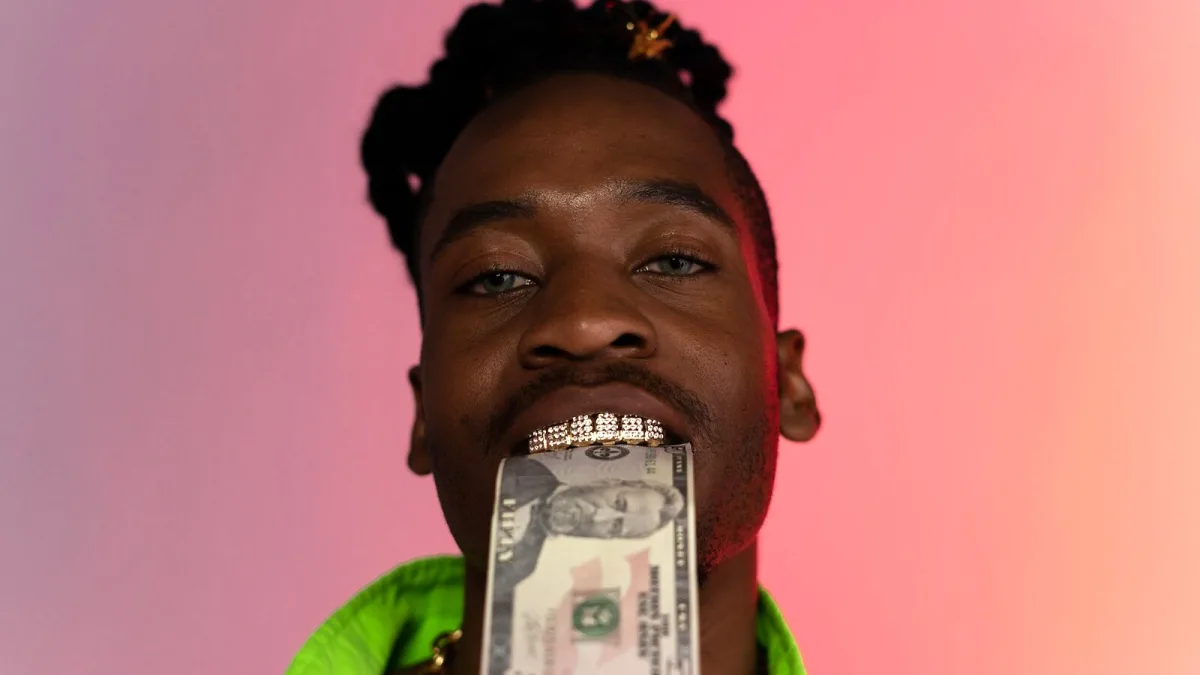
Skip the greatest-hits playlists for a minute. If you actually want to understand how rap music developed, the album is where the real argument gets made — a full statement rather than a three-minute single. Here are the records that matter most, in roughly the order they happened, and what to actually listen for on each.
Run-DMC — Raising Hell (1986)
The album that proved rap could headline arenas and cross straight into rock radio. "Walk This Way", the Aerosmith collaboration, gets the attention, but the whole record is stripped-back, hard-hitting and built to work live — listen for how little clutter there is behind the vocals.
Public Enemy — It Takes a Nation of Millions to Hold Us Back (1988)
Dense, chaotic, sample-heavy production from the Bomb Squad, with Chuck D's booming delivery cutting straight through it. This is the sound of a group treating the studio like a weapon — listen for how many layers are actually stacked into each track.
N.W.A — Straight Outta Compton (1988)
Blunt, confrontational street reportage from Los Angeles that dragged West Coast rap into the national conversation almost overnight. It's not a subtle record, and it was never trying to be — the anger is the point.
Dr. Dre — The Chronic (1992)
The record that turned West Coast funk sampling into a genuine commercial sound, with Dre's laid-back, bass-heavy production giving Snoop Dogg's debut appearance room to make an immediate star turn. Listen for how much space is left in the mix — nothing here feels rushed.
Wu-Tang Clan — Enter the Wu-Tang (36 Chambers) (1993)
Nine MCs, one gritty, kung-fu-sampling sound from RZA, and a record that proved a crew could have wildly different voices and still sound like one coherent unit. It's rough around the edges by design, and all the better for it.
A Tribe Called Quest — The Low End Theory (1991)
Jazz bass lines, unhurried flows and a genuinely warm, conversational tone made this the blueprint for what became known as alternative rap music. Listen for how much the production leaves room for the bass to breathe — it's the opposite of dense.
Nas — Illmatic (1994)
Widely treated as close to a perfect rap album — ten tracks, no filler, vivid street storytelling delivered with real economy of language. Listen for how much detail Nas fits into a single verse without ever sounding cluttered.
The Notorious B.I.G. — Ready to Die (1994)
Biggie's debut moves between menace and genuine warmth within the same song, over smooth, radio-ready East Coast production. It's a masterclass in charisma carrying a record as much as any lyric does.
Lauryn Hill — The Miseducation of Lauryn Hill (1998)
Rapping, singing, soul, reggae influence and searing personal honesty folded into one record that crossed over far beyond hip-hop's usual audience. It remains one of the most complete, emotionally direct albums the genre has produced.
OutKast — Stankonia (2000)
André 3000 and Big Boi refused to sit still, mixing funk, electronic textures and Southern rap into something that sounded like almost nothing else in the charts at the time. Listen for how unpredictable the production choices are, track to track.
Kendrick Lamar — good kid, m.A.A.d city (2012)
A dense, cinematic concept album about growing up in Compton, structured almost like a film rather than a collection of singles. It proved conceptual ambition and huge commercial success weren't mutually exclusive, and reset expectations for what a mainstream rap album could attempt.
Missy Elliott — Supa Dupa Fly (1997)
Timbaland's skittering, futuristic production paired with Missy Elliott's inventive, playful vocal style produced something that still sounds ahead of its time decades later. Few debuts in rap music history have announced a genuinely new sound this confidently.
How to actually use this list
Don't feel obliged to work through these in strict order — pick whichever era interests you first and let it lead you sideways. Curious about the people behind these records? Our guide to the best rap music artists to know goes deeper into individual careers, and if you'd rather approach this by song than by album, our track-by-track guide is the place to go.
The bottom line
Twelve albums, four decades, almost no shared sound beyond ambition and technical skill — that's the essential rap music album run, from arena-ready crossover to dense concept records built like films. Work through even half of these properly and the genre's whole arc starts to make sense.





Comments