


R&b Music article
The History of R&b Music
R&B began as an industry marketing term in 1949 and grew into one of the twentieth century's most influential musical traditions. Here's how it happened, decade by decade.
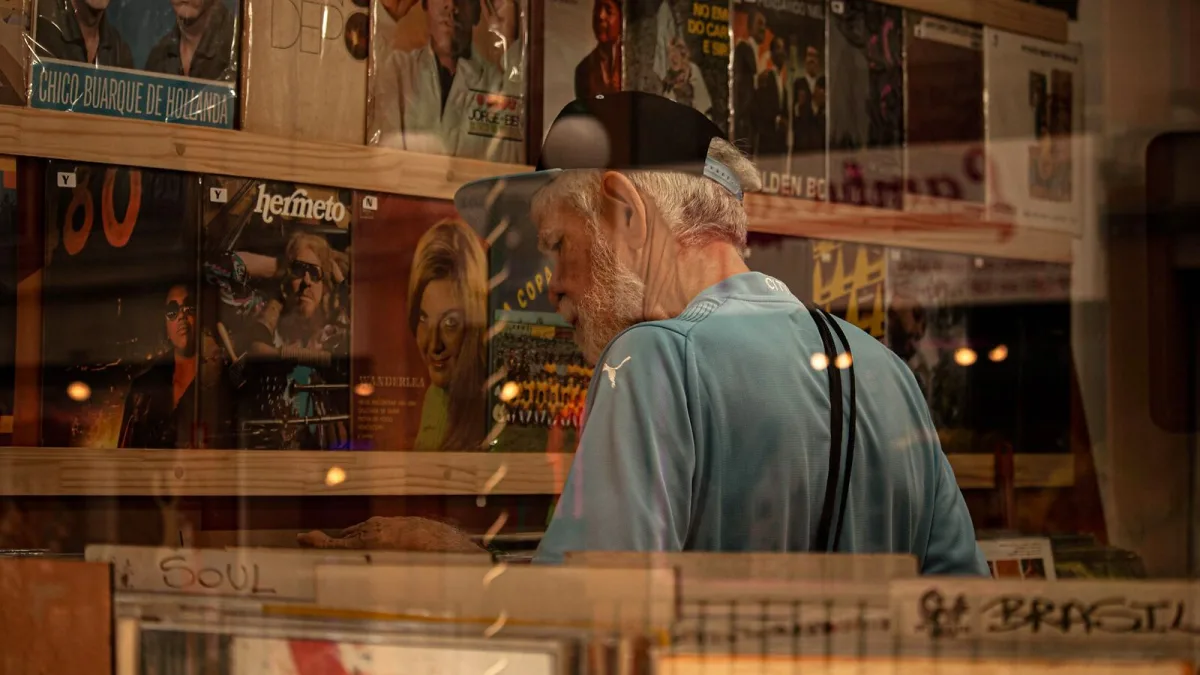
Every genre has an origin story, but few are as tangled up with wider social history as the history of R&B. What started as a music-industry marketing label in 1949 grew, over the following seven decades, into one of the most influential musical traditions of the twentieth century — reshaping soul, funk, rock, pop and hip-hop along the way. Here's how it happened, decade by decade.
The 1940s: A New Name for an Old Sound
The roots of this history of R&B lie in the Great Migration, as African American communities grew in cities such as Chicago, Detroit, Memphis, New York and Philadelphia, bringing Southern blues, gospel and work-song traditions into urban clubs, radio stations and recording studios. In 1949, Billboard magazine began using the term "rhythm and blues" to replace its previous chart category, the openly racist "race records." The change was really about marketing rather than music, but it stuck — and it gave a huge, varied body of Black American music a single, more dignified name.
Early recordings split roughly into three tendencies: energetic "jump blues" with saxophone solos and shouted vocals, amplified small-group Chicago blues, and vocal music built on close, gospel-influenced harmony. Louis Jordan was central to the first camp; Muddy Waters to the second.
The 1950s: Doo-Wop and the Road to Rock and Roll
Through the 1950s, R&B grew steadily more vocal and melodic. Doo-wop groups — built around close harmonies, wordless backing syllables and simple arrangements — became hugely popular, with acts like The Drifters showing how far vocal-group harmony alone could carry a record. At the same time, electric blues and R&B performers were feeding directly into the emerging sound of rock and roll: many of the earliest rock recordings simply adapted Black R&B, blues and gospel conventions, often without the credit or compensation their originators deserved.
The 1960s: Soul, Motown and Gospel Fire
The next chapter of this history of R&B belongs to soul. Ray Charles had already shown how gospel intensity and blues structure could be fused into something new; Aretha Franklin then turned that fusion into some of the most powerful vocal performances popular music has produced. Marvin Gaye and Stevie Wonder expanded the palette further, bringing in orchestration, socially conscious songwriting and increasingly sophisticated studio production.
Motown Records, based in Detroit, built a polished, tightly arranged version of soul-pop around strong melodic hooks, coordinated rhythm sections and vocal-group backing — The Supremes became its most famous crossover act. Meanwhile labels like Stax, in Memphis, and Chess, in Chicago, kept a rawer, more regional soul and blues sound alive.
The 1970s: Funk Takes Over
By the 1970s, funk had pulled the rhythm section into the spotlight. Where soul had emphasised melody and orchestration, funk — led by figures like James Brown and bands such as Sly and the Family Stone and Earth, Wind & Fire — made the interlocking groove between drums, bass, guitar and horns the whole point. Disco grew out of the same soil later in the decade, and funk itself would go on to become one of the most heavily sampled sources in hip-hop production.
The 1980s and 90s: Drum Machines and New Jack Swing
Drum machines, synthesizers and digital recording transformed the sound of R&B through the 1980s. Contemporary R&B emerged as a style that folded soul and funk vocal traditions into electronic production and pop song structures — artists like Whitney Houston and Janet Jackson brought it to a huge mainstream audience. Producer Teddy Riley then fused smooth R&B singing with hard, syncopated hip-hop beats to create new jack swing, one of the defining sounds of the late 1980s and early 1990s.
Through the 1990s, R&B and hip-hop became increasingly interconnected — Mary J. Blige is closely associated with that fusion — while sampling became a central production technique across the genre.
Neo-Soul and the 2000s
As the 1990s ended, artists including D'Angelo and Erykah Badu led a deliberate return to live instrumentation, jazz harmony and classic soul influences, a movement that became known as neo-soul. It ran in parallel with "quiet storm" programming — intimate, slow-tempo, atmospheric R&B built for late-night radio.
R&B Today
The history of R&B hasn't stopped moving. Contemporary and "alternative" R&B now regularly incorporate pop, hip-hop, jazz and ambient electronic textures, and artists such as Beyoncé, SZA and The Weeknd move fluidly between all of them. If you'd like to put names to every era mentioned here, our guide to R&B artists worth knowing lines them up properly, and our breakdown of R&B subgenres unpacks doo-wop, funk, new jack swing and neo-soul in far more detail than a single timeline can manage.
Why This History Matters
Understanding this history changes how you hear modern pop, rock and hip-hop, all of which borrowed heavily — sometimes generously credited, sometimes not — from the R&B tradition. It's also, quite simply, one of the richest listening journeys available to a curious ear: seven decades of the same emotional honesty, rebuilt again and again with whatever instruments each generation had to hand. If you're just getting started, our piece on where to start with R&B turns this timeline into a practical first playlist.


Comments