


R&b Music article
R&b Music Subgenres, Explained
R&B covers seven decades of subgenres, each built by a different generation with different tools. Here's what genuinely separates doo-wop from neo-soul from everything in between.
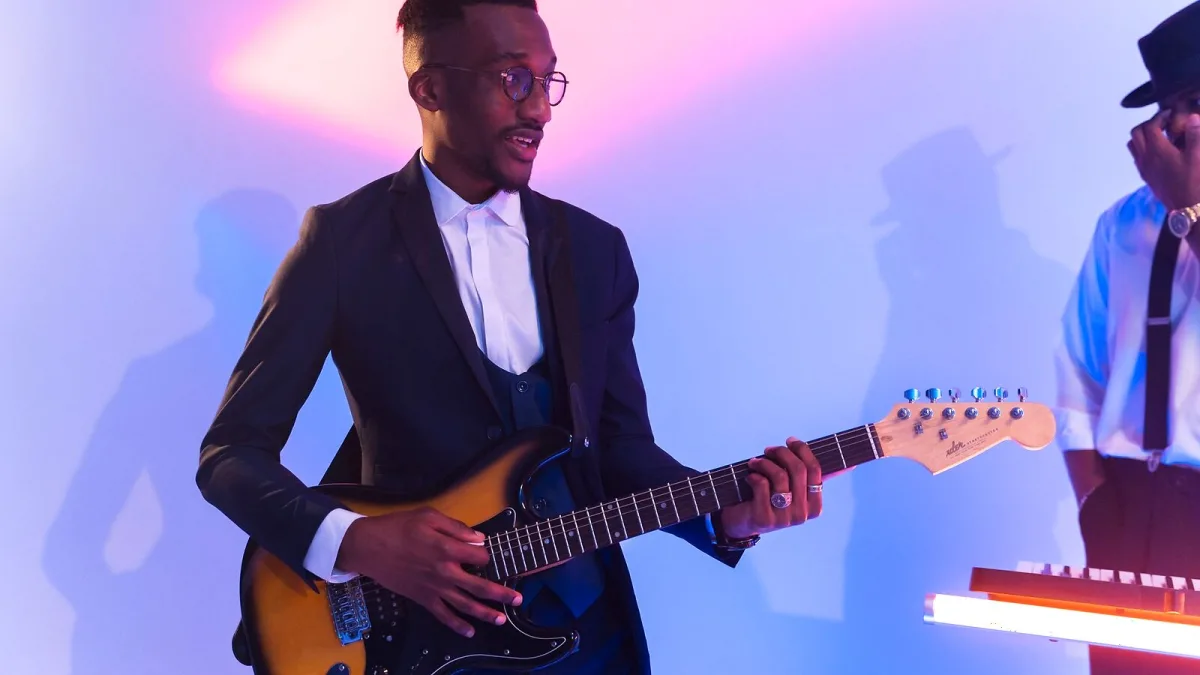
Say "R&B" to ten different people and they'll picture ten different sounds, and honestly, they're all correct. The label covers seven decades of R&B subgenres, each one built by a different generation with different tools. Here's what actually separates these R&B subgenres, without the marketing fluff.
Doo-Wop
The 1950s sound. Close vocal harmonies, wordless backing syllables ("doo-wop," obviously), simple arrangements and a lot of street-corner-honed group singing. The Drifters are the name to know here. It's the most stripped-back of all the R&B subgenres on this list — voices doing almost all the work, often with only a light backing of piano, upright bass and brushed drums. Doo-wop groups grew directly out of vocal-group R&B and, in turn, fed straight into the soul and gospel-influenced singing that followed.
Soul
Soul took R&B's blues-and-gospel foundation and turned the emotional intensity up. Think church-honed vocal power, horns, strings and lyrics that got personal, political, or both at once. Ray Charles got it started; Aretha Franklin and Marvin Gaye took it somewhere enormous. Motown built its own polished, hook-driven version of soul around acts like The Supremes.
Funk
Funk flipped the priority: instead of melody leading and rhythm following, the groove itself became the whole point. Drums, bass, guitar and horns lock into tight, repeating patterns designed to move a room. James Brown more or less invented the template; Sly and the Family Stone and Earth, Wind & Fire expanded it. Funk went on to become one of hip-hop's most heavily sampled sources.
Quiet Storm
Named after a 1975 Smokey Robinson track and a radio format that followed, quiet storm is late-night R&B — slow tempos, atmospheric production, intimate lyrics. It's less a movement built by one artist than a mood that a lot of 1970s and 1980s R&B leaned into for its most romantic material, and the term became so widely used that many radio stations still use "quiet storm" to describe an evening slow-jams format today.
New Jack Swing
The late-1980s and early-1990s answer to the question "what happens if you put R&B vocals over hip-hop's harder, more syncopated beats?" Producer Teddy Riley is the name most associated with new jack swing, and it's the clearest example of R&B and hip-hop production merging before that became the industry norm.
Neo-Soul
A deliberate reaction to the 1980s and early 1990s reliance on drum machines and synths. Neo-soul, from the late 1990s onward, brought back live instrumentation, jazz-informed harmony and a looser, more organic feel. D'Angelo and Erykah Badu are the genre's defining figures.
Contemporary and Alternative R&B
The catch-all for most of what gets called R&B today. Contemporary R&B blends soul and funk vocal traditions with pop songwriting and modern production; "alternative R&B," a term that's grown since the 2010s, leans further into hip-hop, ambient electronic textures and unconventional song structures. Beyoncé, SZA and The Weeknd all sit somewhere in this space, each pulling it in a slightly different direction — which is exactly why "contemporary R&B" is more useful as a rough compass than as a precise definition.
Quick Reference
| Subgenre | Era | Sound | Key Name |
|---|---|---|---|
| Doo-Wop | 1950s | Close vocal harmony | The Drifters |
| Soul | 1960s | Gospel-powered, orchestrated | Aretha Franklin |
| Funk | 1970s | Rhythm-led groove | James Brown |
| Quiet Storm | 1970s–80s | Slow, atmospheric, romantic | Smokey Robinson |
| New Jack Swing | Late 1980s–90s | R&B vocals, hip-hop beats | Teddy Riley |
| Neo-Soul | Late 1990s–2000s | Live, organic, jazz-informed | D'Angelo |
| Contemporary / Alternative | 2010s–present | Pop, hip-hop and electronic hybrids | SZA |
Why the Labels Overlap So Much
Don't get too hung up on drawing hard lines between these R&B subgenres — the artists themselves rarely did. A single Marvin Gaye record can be soul and funk at once; a modern SZA track can be R&B, pop and alternative all in the same three minutes. These categories exist to help you navigate seven decades of music, not to box any one song into exactly one drawer. For the fuller chronological story of how one subgenre led to the next, see our history of R&B, and for the people behind each style, our guide to R&B artists worth knowing fills in the names above.


Comments